
Last updated November 21, 2026
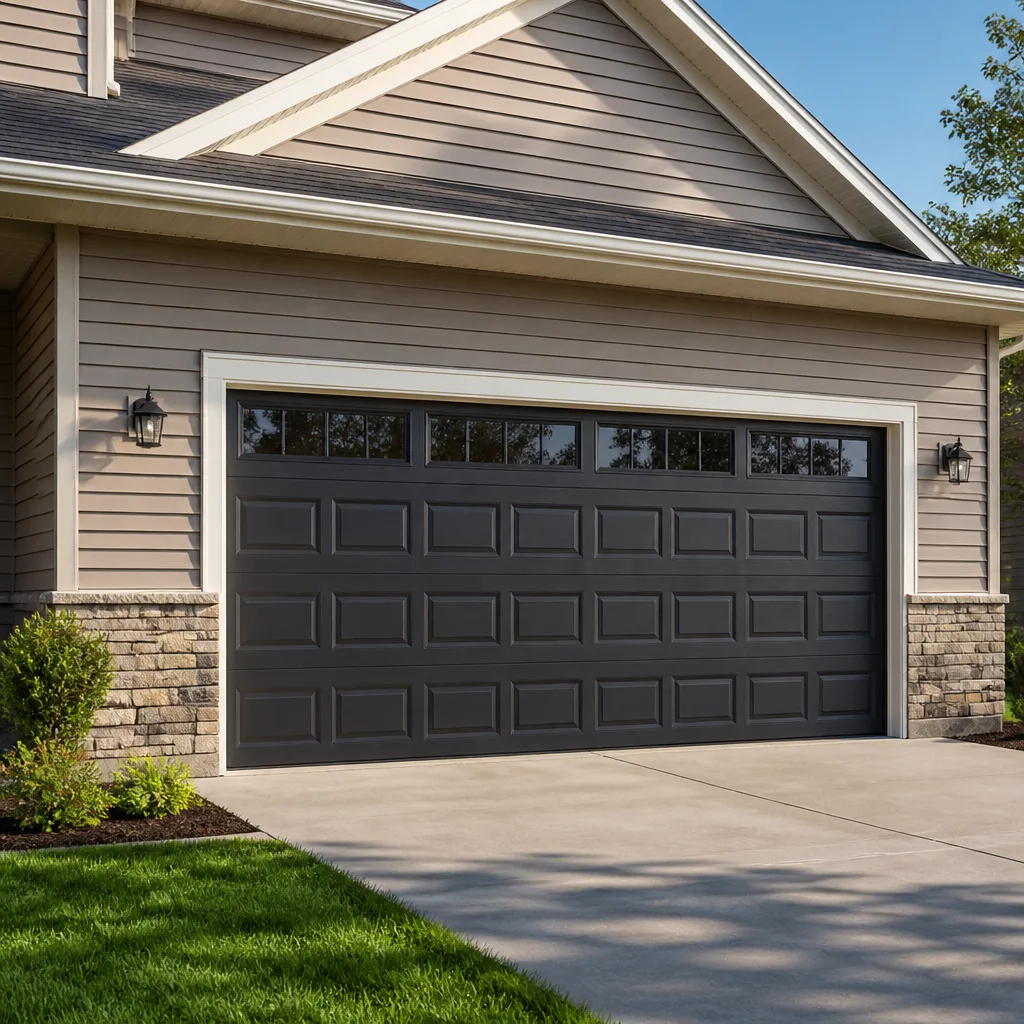 Raised-panel steel
 Carriage house
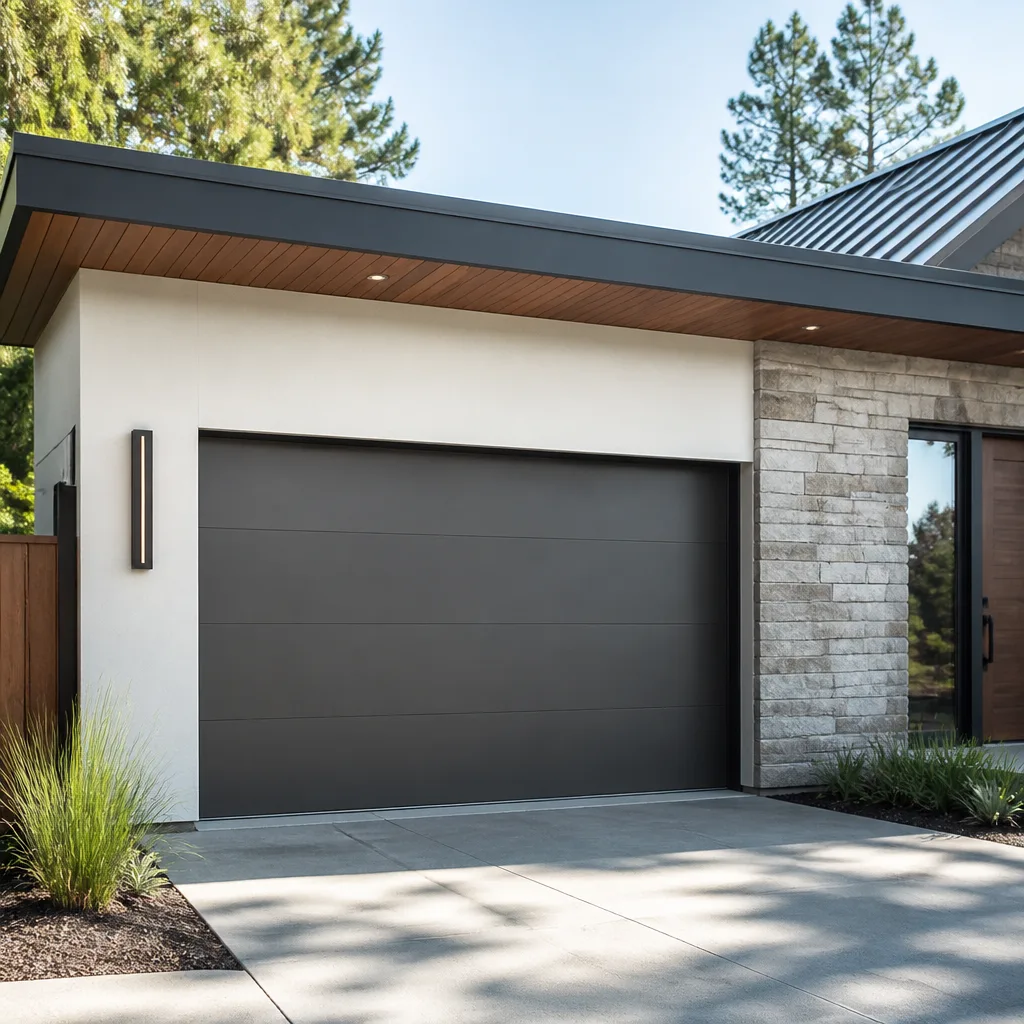 Modern flush
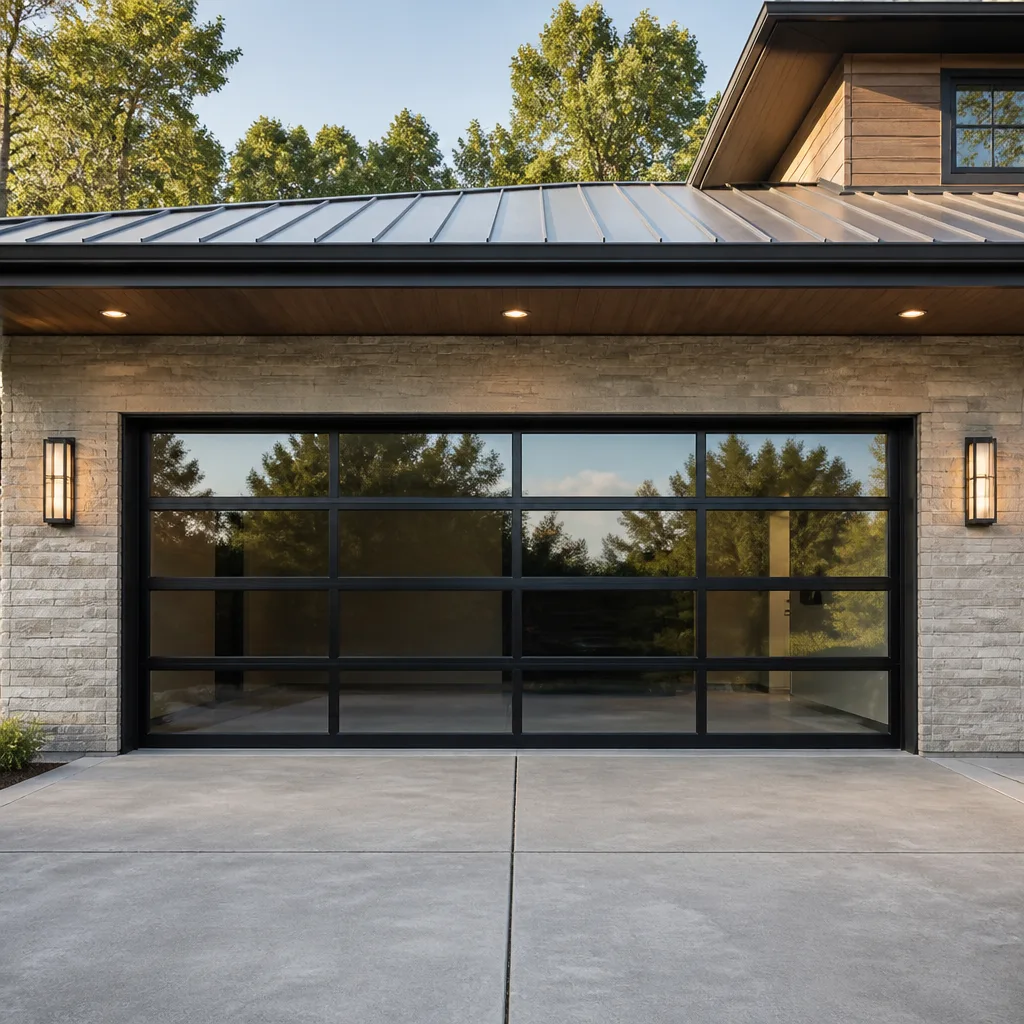 Full-view glass
 LiftMaster openers
 Chamberlain openers
Full 25-point door and opener safety check with every visit - springs, cables, rollers, tracks, and your LiftMaster or Chamberlain opener included
You get a price before we start. It does not change when the pro arrives.
Get your free estimateGarage Door Repair Maintenance Checklist for Plymouth Homeowners
Most garage door emergencies in Plymouth don’t start with a loud bang. They start quietly, months earlier, with a door that hesitates at the top of its travel or a bottom seal that’s stopped touching the floor. Then January arrives, the seal freezes to the concrete, someone forces the door up by hand, and a cable lets go. The trouble wasn’t the cold; it was a checklist nobody ran in October. This guide sequences maintenance around Plymouth’s actual stress points, from freeze-up to road-salt season, so you’re working ahead of failures instead of reacting to them. You’ll get the lubrication schedule, the seal test most homeowners skip, and a tool-free safety check you can do in 90 seconds.
Quick Answer
A garage door maintenance checklist for Plymouth should be timed to the seasons, not the calendar month: lubricate moving parts and test the bottom seal before the first hard freeze, inspect rollers, hinges and tracks after road-salt season, and run a 90-second safety test every month year-round. Springs are the exception. They should be judged by cycle count, not by how long they’ve been in the door. The homeowners who avoid emergency calls are the ones who check the seal in October and listen to the door in April.
Styles & brands we work with
- Raised-panel steel
- Carriage house
- Modern flush
- Full-view glass
- LiftMaster openers
- Chamberlain openers
Table of Contents
- Pre-Winter Lubrication: What Works Below 0°F in Plymouth
- Testing Your Bottom Seal Before Freeze Season
- Spring Inspections Based on Cycles, Not Months
- Post-Winter Inspection: Rollers, Hinges and Tracks
- The 90-Second Monthly Safety Test
- Opener Maintenance: Force Settings and Battery Backup
- A Plymouth Seasonal Maintenance Calendar
- When to Call a Professional
Pre-Winter Lubrication: What Works Below 0°F in Plymouth
Plymouth gets cold enough that the lubricant you chose in July may be working against you by January. The problem is viscosity. A general-purpose spray that feels slick at 40°F can thicken into something closer to glue when the overnight low drops well below zero, and a thickened lubricant does two harmful things: it stiffens the rollers and hinges so the opener fights resistance, and it holds grit in place instead of letting the parts shed it. When a door gets stiff, homeowners push harder, and that extra force is what finds the weak link in a cable or a spring.
Here’s what belongs on the door and what doesn’t:
- Use a low-temperature white lithium grease or a silicone-based lubricant rated for cold service on hinges, rollers, the torsion shaft bearings and the lock mechanism. These stay fluid at Minnesota winter temperatures.
- Use a silicone spray on the bottom seal and the weatherstripping, never oil. Silicone keeps rubber supple and resists the sticking that causes a seal to freeze to concrete.
- Skip WD-40 as a long-term door lubricant. It’s fine as a quick solvent to free a stuck part, but it doesn’t hold up as a lubricating film through a Plymouth winter.
- Never grease the tracks. Tracks aren’t a lubrication point. Grease in the track collects road dust and salt grit and turns the rollers into grinders.
- Never lubricate the springs. Torsion and extension springs don’t need it, and oil on a spring just attracts debris.
Apply lubricant to the hinge pivots and roller bearings once before the first freeze and again in late winter. A light coat is enough. Too much attracts the very grit you’re trying to shed. If your door has been ignored for a few seasons, this is also the point where a technician can tell you whether the resistance you’re feeling is lubrication or a part that’s already failing. Our garage door repair service covers exactly that kind of diagnosis.
Testing Your Bottom Seal Before Freeze Season
The bottom seal is the most overlooked component on the whole door, and in Plymouth it’s the one that causes the most avoidable winter trouble. The seal has a single job: compress against the concrete floor and break the air gap. When it’s worn, flattened or torn, two things happen. Cold air and snowmelt get under the door, and worse, moisture collects between rubber and concrete and freezes there overnight. A door frozen to the floor is a door someone will eventually try to force.
Testing compression takes one hand and no tools:
- Close the door fully and stand inside the garage with the lights off.
- Look along the full width of the bottom edge for daylight. Any light band means the seal isn’t making contact.
- Roll a coin or a thin piece of paper under the seal at several points. If it slides out without resistance, the seal isn’t compressing.
- Run your hand along the rubber and feel for cracks, hard spots or missing chunks. A seal that feels brittle or cracked at the edges is done, even if it still looks in place.
- Check the floor itself for low spots. Sometimes the seal is fine and the concrete has settled, which means the gap is real and new rubber won’t close it.
Replace a failing seal before freeze season, not after. Silicone spray on a sound seal in late autumn makes it far less likely to bond to cold concrete. If you notice your door sticking after a cold snap, don’t force it. Call (866) 937-8168 before lifting by hand. We answer 24/7, and fast dispatch runs from 7am to 7pm, Sunday through Friday.
Spring Inspections Based on Cycles, Not Months
Springs are where the calendar-month approach breaks down completely. A torsion spring is rated in cycles, and one cycle is one full open-and-close. Most residential springs are made to last somewhere in the range of ten thousand cycles. A household that opens the door twice a day will get many years out of a spring. A household that opens it eight or ten times a day, common with a family coming and going, will burn through that life far faster. That’s why “inspect the springs every spring” isn’t a real maintenance rule. Two Plymouth homes on the same street can have wildly different spring wear depending on how the door is used.
What you can actually do is watch the spring for warning signs and estimate your usage.
- Count your cycles for one week. Have everyone in the house note every open and close. Multiply by 52. That’s your real annual cycle load, and it tells you roughly how far along your springs are.
- Listen for the coil. A healthy torsion spring is silent. A spring that twangs, rattles or rings as the door moves is telling you something.
- Look for a visible gap in the coil. A torsion spring that has cracked or separated shows it plainly if you look along its length with the door closed.
- Watch for the door that feels heavier or drops the last few inches. Either of those can point to a spring that’s lost tension, and it also stresses the opener.
Here’s the safety line, and it’s firm: high-tension springs and the cables that carry their force are the most dangerous part of any garage door. A torsion spring under load can release without warning, and the cables holding it are under hundreds of pounds of tension. There is no safe homeowner repair here. Never cut, loosen, wind or try to adjust a spring or cable yourself. Inspect visually, note what you see, and hand the work to a trained technician. Our garage door spring repair is a dedicated specialty rather than a side job, because this is precisely the work that demands the right tools and the right knowledge.
Post-Winter Inspection: Rollers, Hinges and Tracks
By the time the last snow bank melts, your garage door has spent months pushing against everything Plymouth winters can throw at it: grit carried in on tires and boots, salt-laden slush splashed up the doors and the bottom panel, and temperature swings that expand and contract every metal part on the system. Spring is when you want to walk the door from top to bottom and look for winter damage, in this order:
- Tracks first. Run your hand along the inside edge of each track. You’re feeling for dents, kinks and grit. Salt grit collects on the vertical track near the floor, and a slightly bent track will make the door drag or jump. Check that the tracks stay plumb and parallel to each other. Even a small lateral shift binds the door.
- Rollers next. Look for rollers that have worn flat, are chipped, or no longer spin freely in their bearings. Nylon rollers usually wear quietly, while steel rollers can rattle. Any roller that’s seized or gouged should be swapped. This is inexpensive and prevents track damage.
- Hinges. Look at each hinge for bent leaves or loose screws. A hinge that’s lost its grip in the panel can work itself loose over a winter of vibration.
- The bottom panel and seal. Salt and grit pit and rust the bottom panel. Check the seal again after winter, since this is the second time it takes the hard load.
- Cables. Look for fraying, kinks or slack on the side of the drum. Fraying means the cable is about to fail. Don’t touch a cable under tension; call a professional.
We work on most of the doors and openers in Plymouth, including Amarr, Wayne Dalton and Craftsmans, so the inspection turns into a diagnosis rather than a guess. If a worn part can simply be replaced, that’s the cheaper path and you’ll hear it from us.
The 90-Second Monthly Safety Test
This is the one piece of maintenance that costs nothing and takes about a minute and a half. It covers the reversing systems that protect people and pets from a closing door, and it should be run every month, especially in Plymouth where the door sees heavy daily use. No tools required.
- Close the door and look at the two photoelectric sensors mounted near the floor on each side. Wipe the lenses if they’re dusty or covered in grit.
- Press the wall control to close the door. While it’s closing, wave a leg or a broom handle through the beam. The door must reverse and travel back up. If it doesn’t, the safety reverse is failing.
- Open the door, then close it while holding your hand flat under the closing edge at about chest height. The door must stop and reverse on contact with light resistance. If the door presses down with force before backing off, the opener’s force setting is too high.
- Listen for the opener running smoothly and check that the door travels up its full height and stops evenly.
- Look at the opener’s indicator lights. A blinking pattern on a LiftMaster or Chamberlain unit is usually a self-diagnostic signal, so check the manual if the behavior has changed.
If the door fails either part of the reverse test, stop using it and get it looked at. A door that won’t reverse is a door that can trap someone, and the fix is usually straightforward. Call (866) 937-8168. We answer 24/7. Fast dispatch from 7am to 7pm, Sunday through Friday.
Opener Maintenance: Force Settings and Battery Backup
The opener is the brain of the system and gets maintained almost by accident, usually only when something quits. A little attention keeps it responsive and avoids the chain of problems a failing opener creates. First, understand the force setting. It’s a dial or menu setting that determines how hard the opener pushes before it gives up. Too high, and the door becomes dangerous. Too low, and the opener stops mid-travel and the door “wanders.” Most owners set it and forget it, but the correct setting changes as the door’s parts wear. Recheck it after any repair, seal replacement or major weather event.
Opener care looks like this:
- Check the force setting each season. If you’ve had to keep raising it to keep the door moving, the door itself likely has a resistance problem, not the opener.
- Test the wall control. Press it while the opener is running and check that the door reverses on a second press. If it doesn’t, the control or its wiring needs attention.
- Check the safety sensors and their mountings. A sensor knocked out of alignment by a stray snow shovel in January will stop the door from closing. Re-aim it so both LEDs are steady.
- Confirm the battery backup works, where the unit has one. Press the backup switch or unplug the opener briefly to see if the door will move on battery power.
- Check the belt or chain tension. A loose chain slaps and can drop the door’s lift capacity. Follow the manual for your specific model rather than guessing.
LiftMaster, Chamberlain, Genie and Craftsman are the openers we see most in Plymouth garages, and each has its own force-setting procedure. Our garage door opener repair handles all four, and we’ve watched each one fail in its own particular way.
A Plymouth Seasonal Maintenance Calendar
Here’s the whole checklist rewritten as a year, timed to what a Plymouth door actually faces rather than to a generic monthly list. This is the version worth printing out and sticking to the wall next to the wall control.
- Early autumn (before the first hard freeze): Lubricate hinges, rollers, bearings and the torsion shaft with a cold-rated lubricant. Spray the bottom seal with silicone. Test seal compression with the coin method. Run the 90-second reverse test.
- Late autumn: Re-lube the pivot points as the cold sets in. Inspect springs visually for a gap in the coil. Clear snow and ice from the door foot and the driveway apron so the door can travel freely. Check that the outdoor keypad and sensors still aim correctly.
- Mid-winter: Keep the door foot clear and never force a stuck door. Spray silicone on the seal if the door starts to stick. Run the monthly safety test, especially after any cold snap or snow event. Watch for a heavier-feeling door.
- Early spring (post road-salt season): Wash the bottom panel and the lower tracks. Inspect rollers, hinges and tracks for winter grit, dents and wear. Check cables for fraying. Test the opener’s force setting and reverse. Replace anything worn.
- Late spring and summer: Re-lubricate before hot weather thins the old grease. Run the safety test monthly. Check the opener’s battery backup. Confirm the whole door cycle is quiet and even.
- All year: Run the 90-second safety test every month. Count cycles occasionally and watch the springs. Note any rattles or changes in how the door sounds.
The theme is simple: prevent in autumn, protect in winter, repair in spring. A Plymouth door that gets this treatment rarely surprises its owner. A door that skips it tends to fail at the worst moment, usually on the coldest morning of the year.
Common Mistakes to Avoid
- Using a warm-weather greaser on a cold door. A lubricant that thickens below zero makes the door work harder all winter. Rate the lube for the temperature it will actually live in.
- Greasing the tracks. Tracks collect grit and the grease turns it into a grind. Keep the tracks clean and dry.
- Skipping the bottom seal test until the door freezes. By the time the seal sticks to the concrete in January, you’ve already lost the benefit. Check in October.
- Forcing a frozen or stuck door by hand. This is the classic way a Plymouth homeowner converts a minor seal problem into a snapped cable. If the door won’t move, don’t muscle it.
- Ignoring the spring because it hasn’t broken yet. Springs wear by cycle count, so a spring that’s “only two years old” in a busy household can be near the end of its life. Watch for the warning signs.
- Turning up the opener’s force to compensate for a stiff door. If you have to keep increasing the force to get the door to move, the door has a resistance problem, and the increased force makes it a safety problem.
- Assuming a noisy door is normal. A door that has started to rattle, twang or grind is telling you something is loosening or wearing. Noise rarely fixes itself.
When to Call a Professional
Some of this checklist belongs to you. Some of it doesn’t, and knowing the difference is the whole point. Call a professional if you see a gap or crack in a torsion spring, if a cable is frayed or slack, if the door won’t reverse during the safety test, if the opener needs its force raised again and again to keep moving, if the door has come off a track or a roller, if the door is obviously out of plumb, or if the door won’t move at all and you can’t tell why. Spring and cable work is never a homeowner job. It’s high-tension work, and a slip can cause serious injury. For everything else, a look at the door before it gets worse is cheaper than the emergency call it becomes. Garage Door Repair Plymouth offers free estimates in Plymouth. Call (866) 937-8168. We answer 24/7. Fast dispatch from 7am to 7pm, Sunday through Friday.
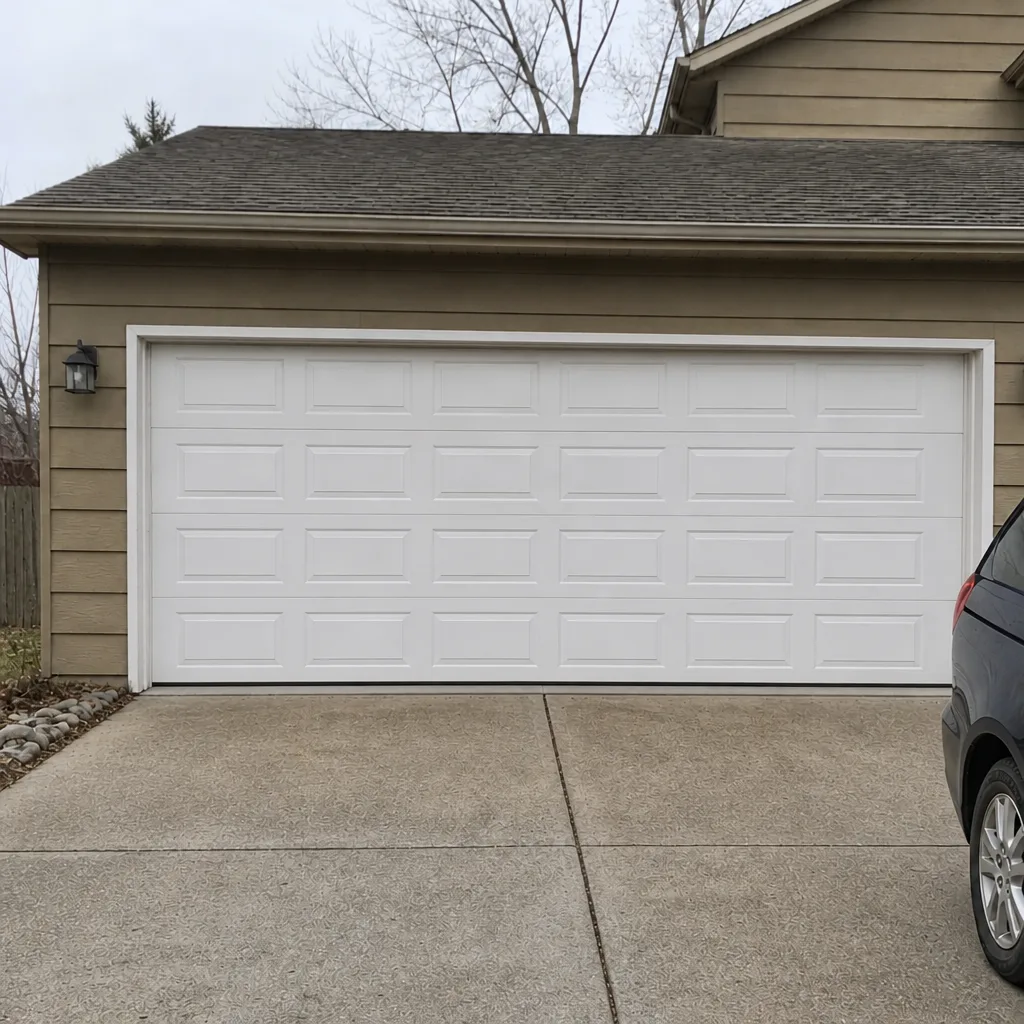
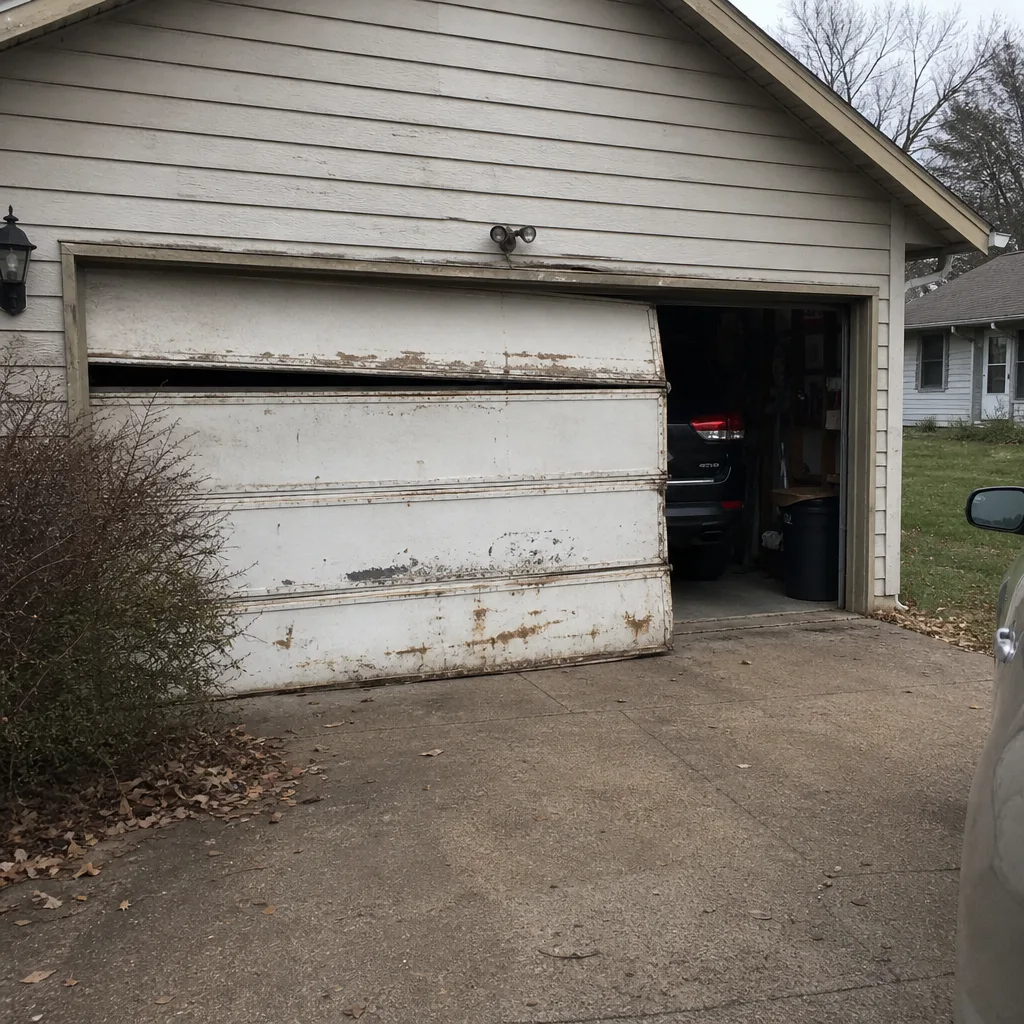
See the difference
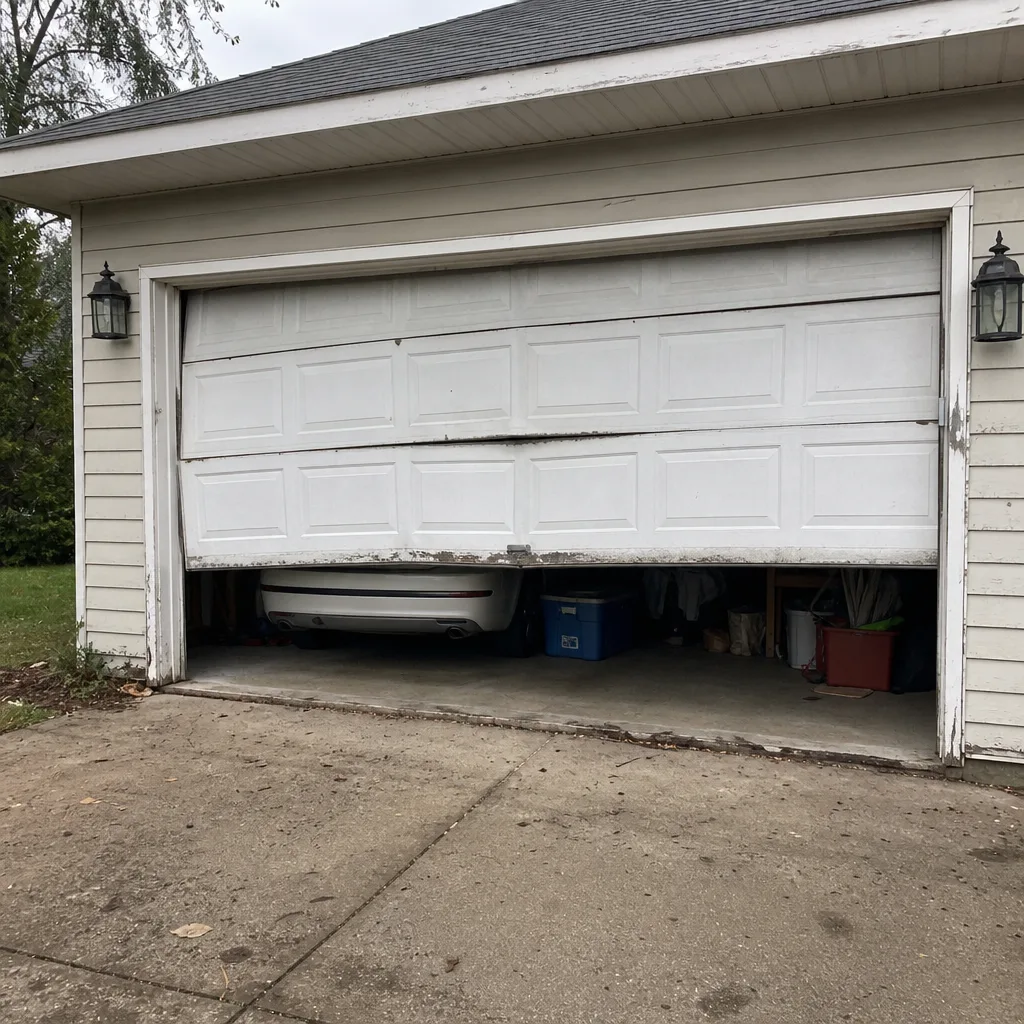 Before
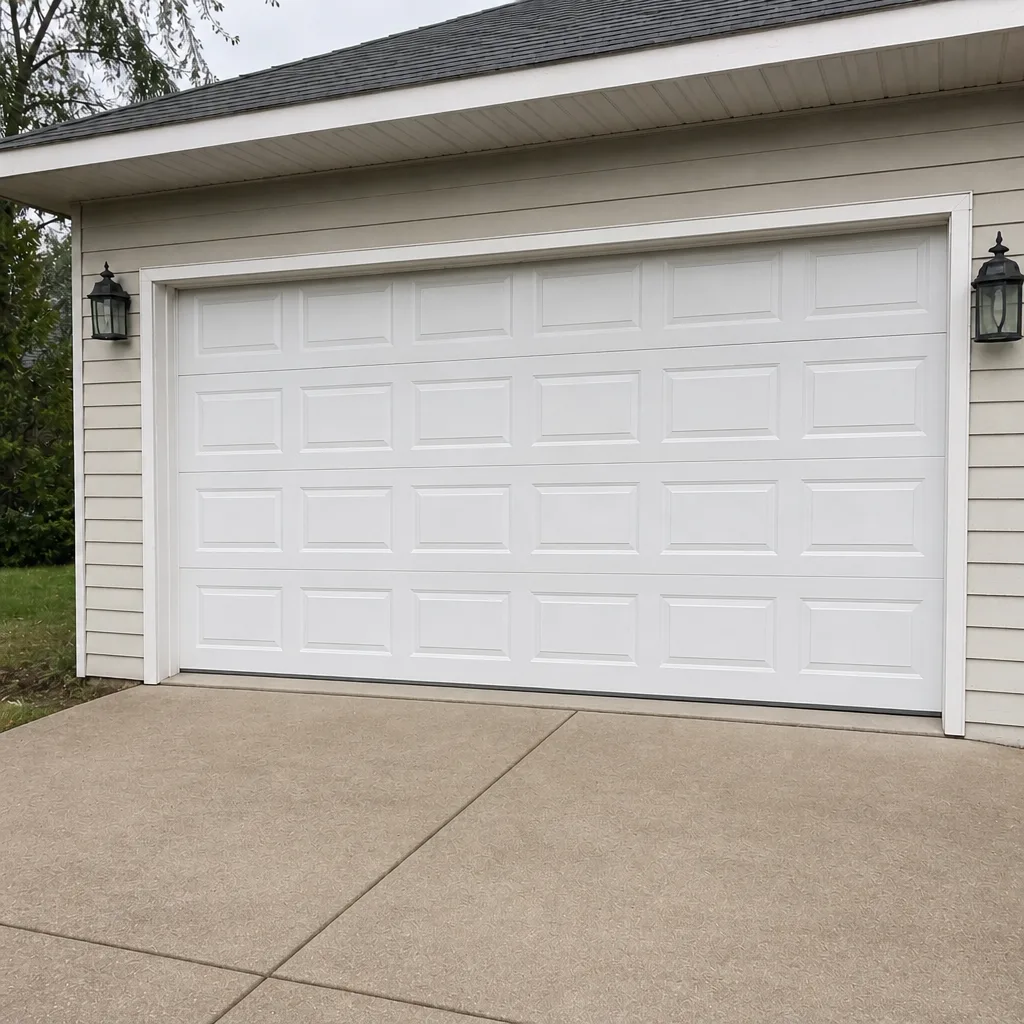 After
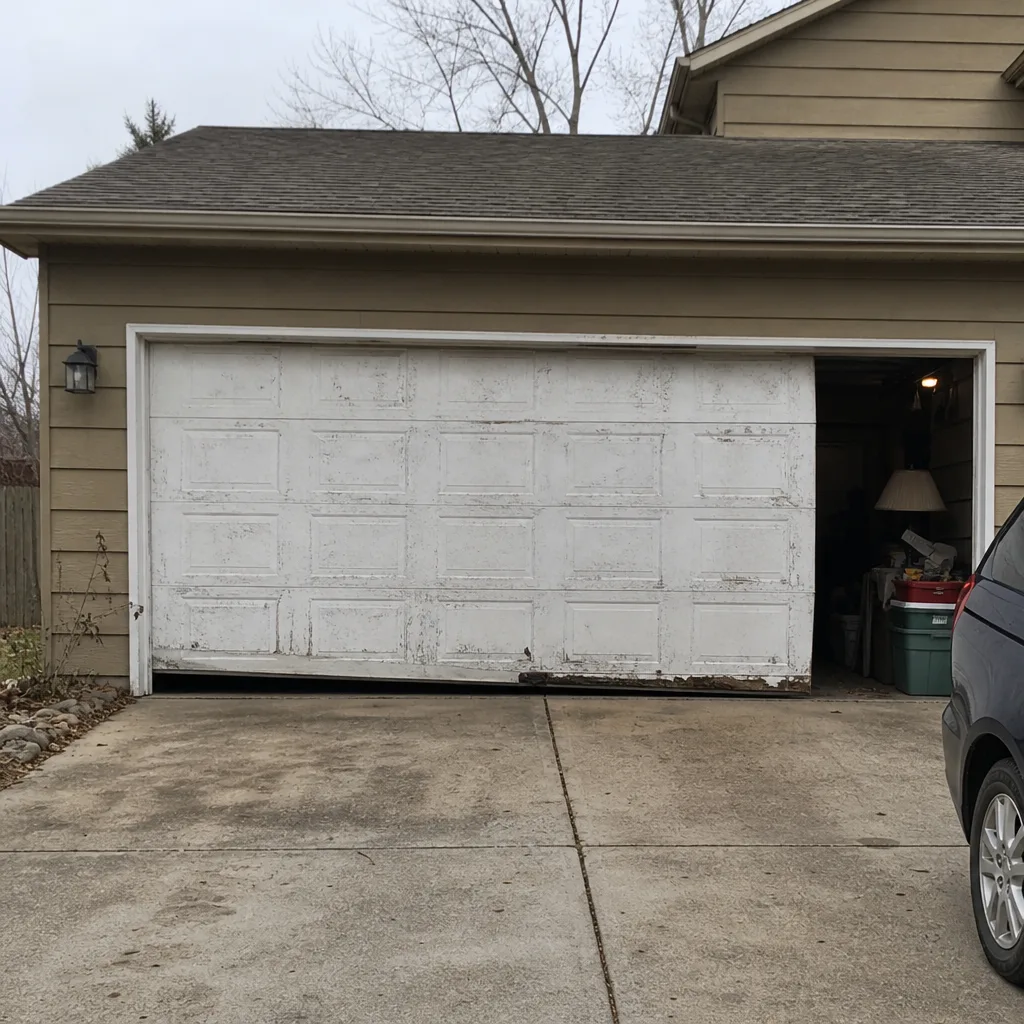 Before
 After
 Before
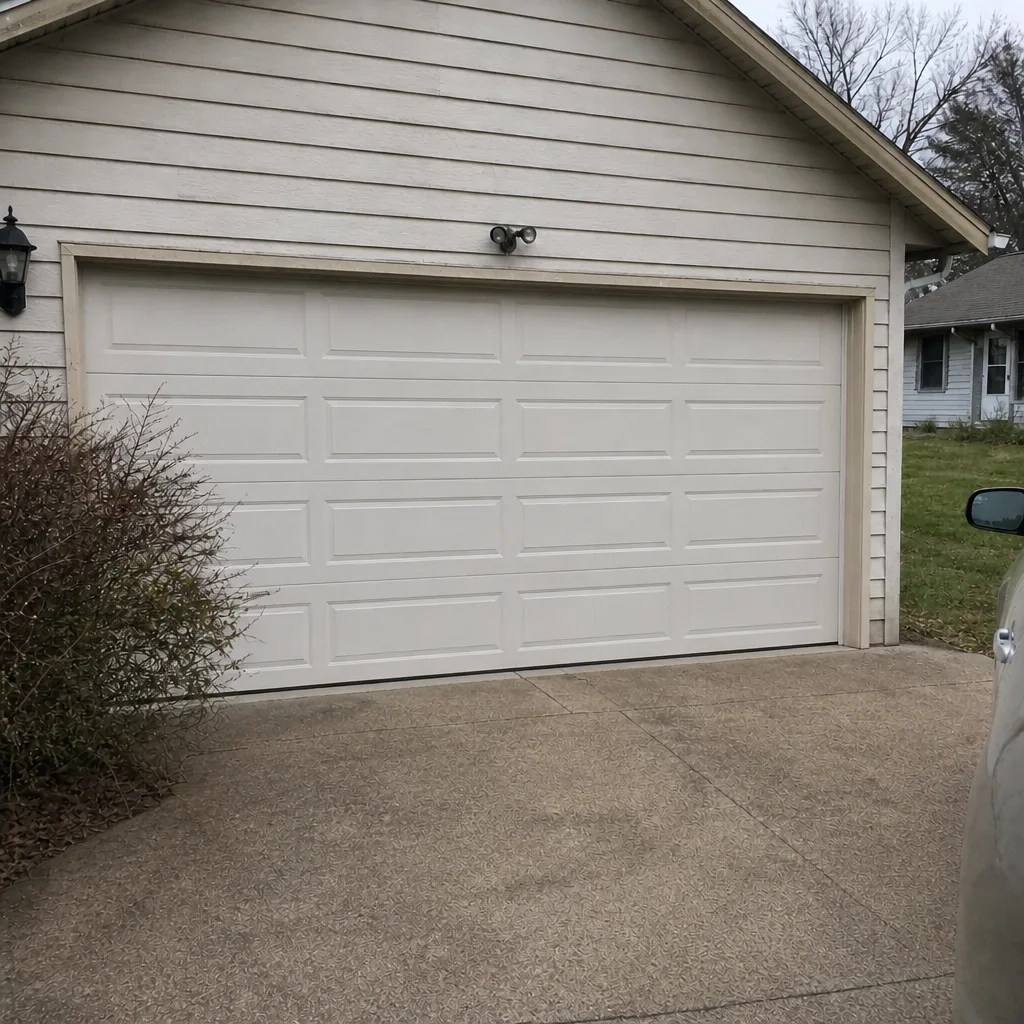 After
Frequently Asked Questions
Twice a year is the general rule, timed to the seasons: once in early autumn before the first freeze and once in late winter as things warm up. Use a cold-rated lubricant on the moving parts and a silicone spray on the bottom seal. If your door gets heavy daily use, add a light touch-up mid-winter. Call (866) 937-8168 if the door still feels stiff after lubricating; estimates are free.
A low-temperature white lithium grease or a silicone-based lubricant rated for cold service. These stay fluid at Minnesota winter temperatures. Avoid general-purpose spray oils that thicken in the cold, and skip WD-40 as a long-term door lubricant. Never grease the tracks or the springs. If you’re unsure what’s on your door now, we can look at it and tell you.
Close the door, stand inside the garage with the lights off, and look for daylight along the bottom edge. Then roll a coin or a thin piece of paper under the seal; if it slides out easily, the seal isn’t compressing. Feel for cracks or hard spots in the rubber. Replace a worn seal before freeze season, not after. If your door is already freezing to the floor, call (866) 937-8168.
By cycles. Springs are rated in open-and-close cycles, not months, so a busy household wears them out faster than a quiet one. Count your door’s daily opens, estimate your annual cycles, and watch for a visible gap in the coil or a door that feels heavier. Never adjust a spring yourself. It’s high-tension work for a trained technician. Call (866) 937-8168 for spring questions.
No. Springs and cables are under extreme tension and can release without warning. No homeowner should cut, loosen, wind or adjust them. There’s no safe shortcut. Inspect visually, note what you see, and hand the work to a professional. Our garage door spring repair is a dedicated specialty. Call (866) 937-8168 for a free estimate.
Run the 90-second monthly safety test: close the door, wave an object through the sensor beam, and confirm the door reverses; then confirm it reverses on light hand pressure at the closing edge. If either fails, or the door won’t move, stop using it and call (866) 937-8168. We answer 24/7, and same-day service is available. Estimates are free.
The Bottom Line
Garage door maintenance works best when it’s timed to place. In Plymouth, that means lubrication and a bottom seal test before the first freeze, visual spring checks all winter, and a careful wash and inspection of rollers, hinges and tracks once road-salt season ends. Run the 90-second safety test every month year-round, and judge your springs by cycle count rather than by how old they look. The parts you can check safely are the ones that fail quietly; the parts that fail loudly, springs, cables, openers and full systems, are where a specialist earns the call. If you’d rather have one set of eyes go over the whole door, our Garage Door Repair Plymouth team handles it with the brand-specific parts and knowledge for Amarr, Raynor and the other major doors we see across Plymouth. We work on your brand, and we show up with the right parts for your door.
Call (866) 937-8168 for a free estimate. We answer 24/7. Fast dispatch from 7am to 7pm, Sunday through Friday.
Written by the team at Garage Door Repair Plymouth.