
Last updated November 21, 2026
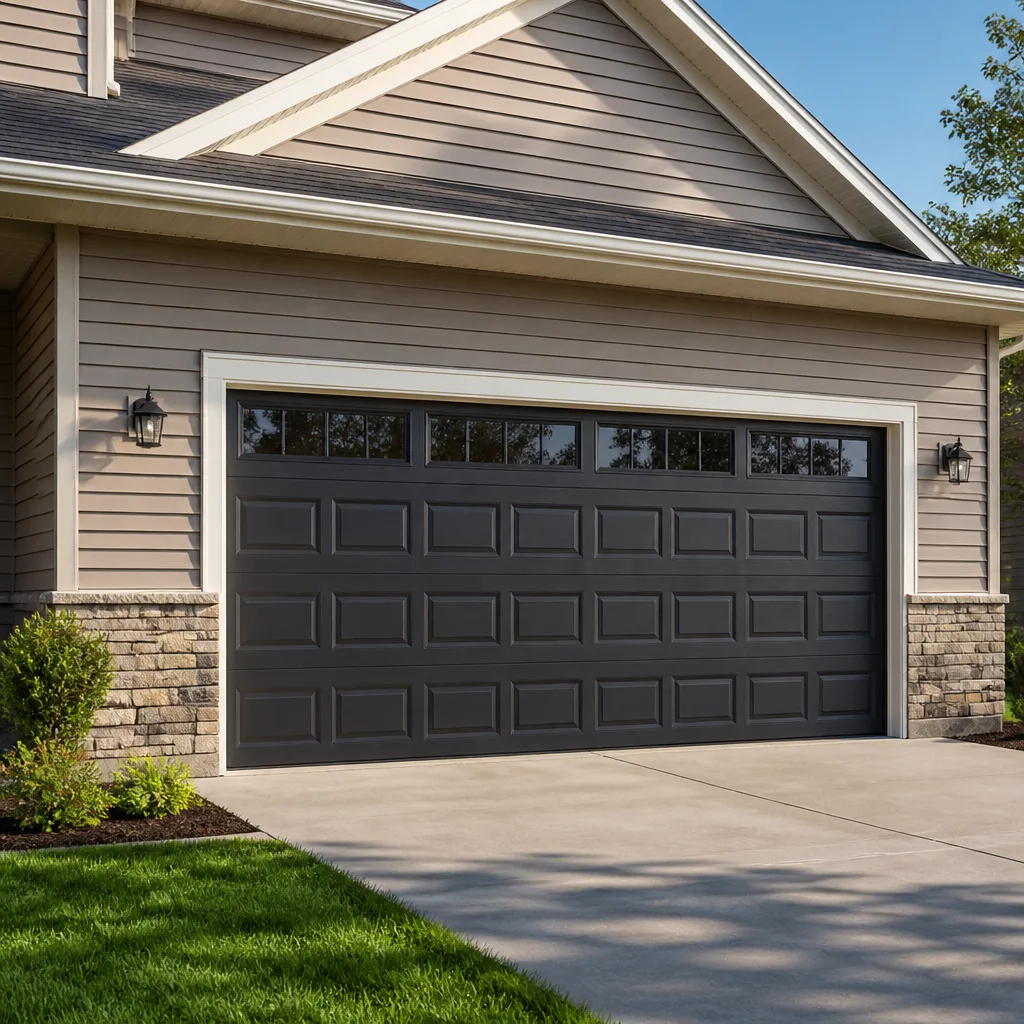 Raised-panel steel
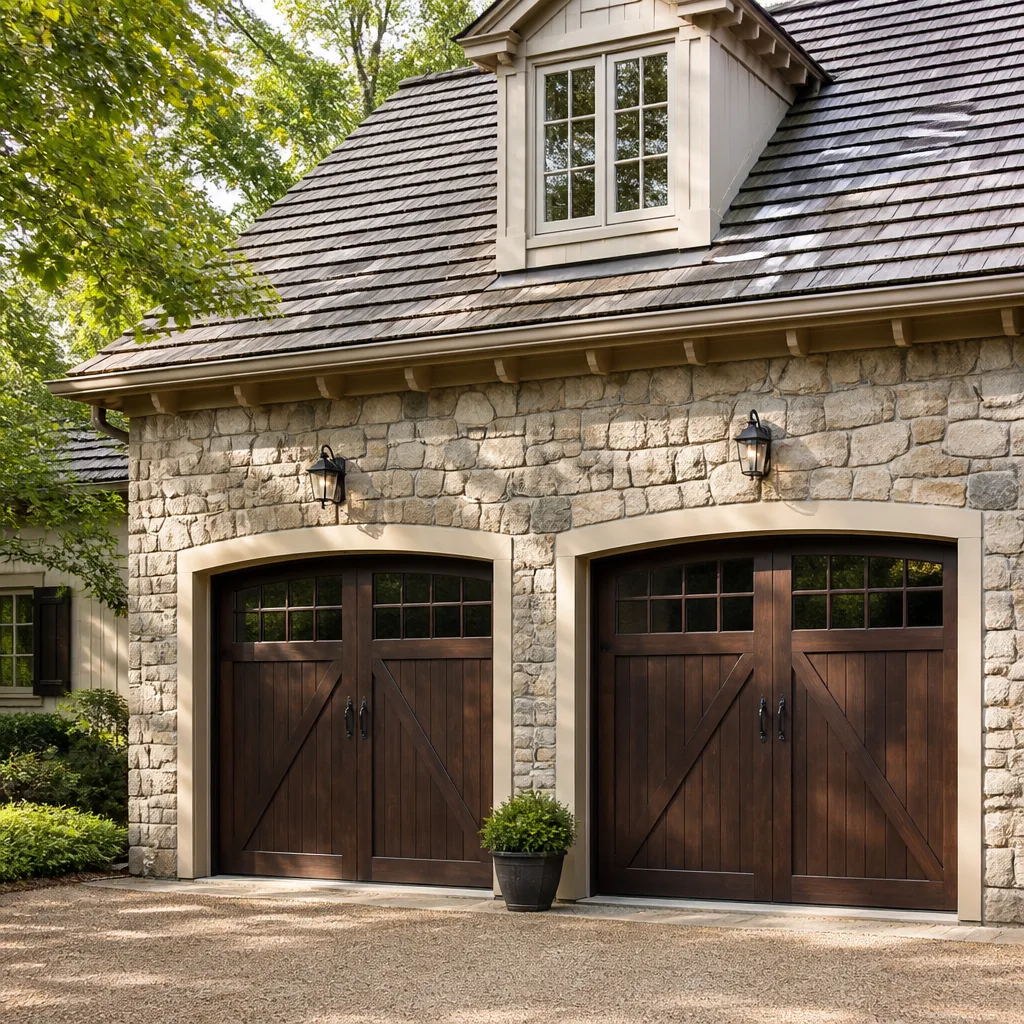 Carriage house
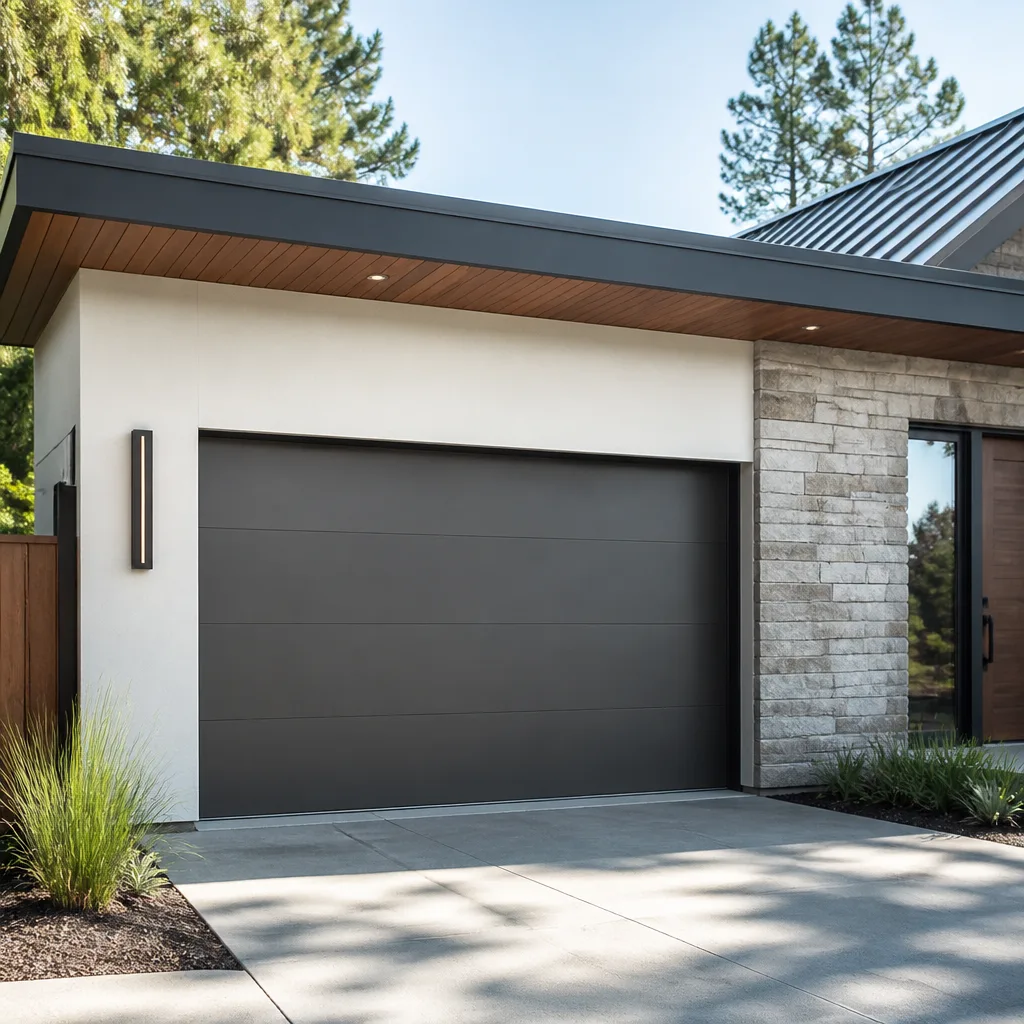 Modern flush
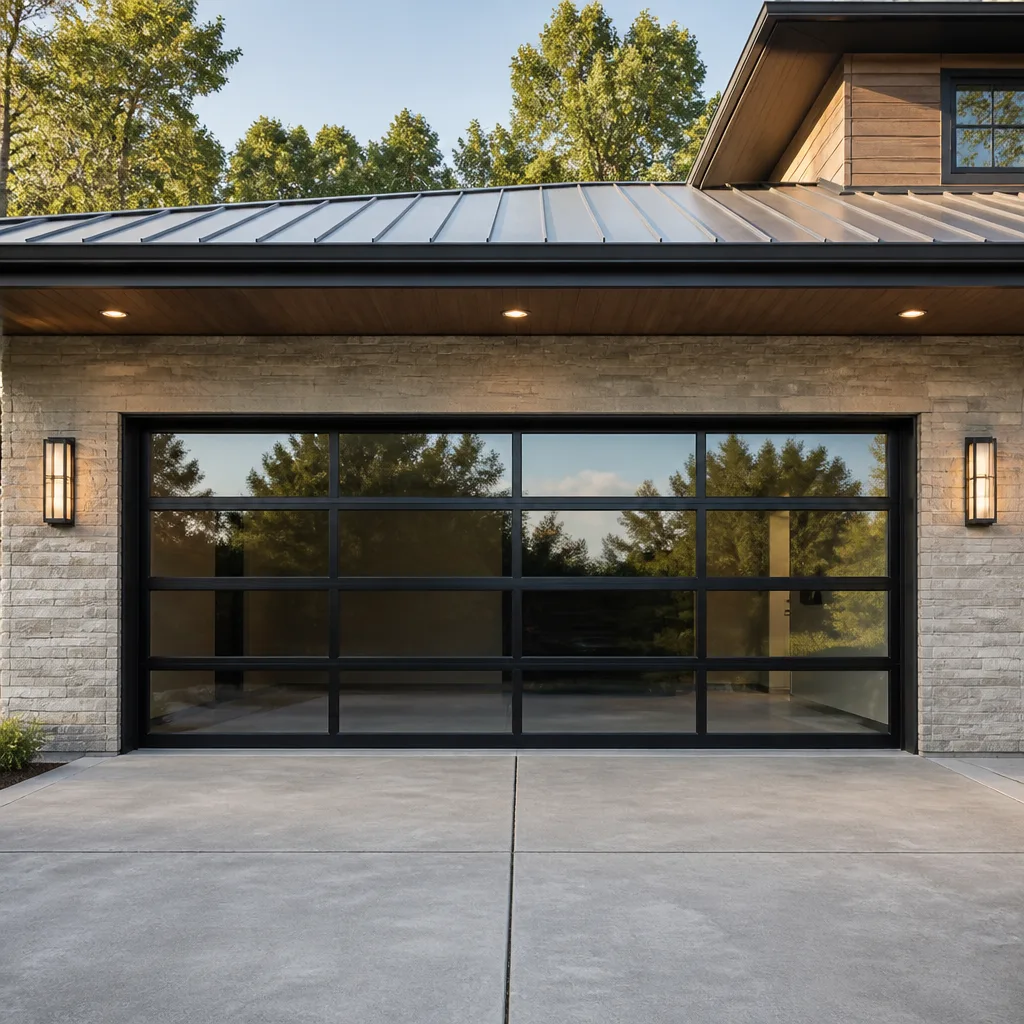 Full-view glass
 LiftMaster openers
 Chamberlain openers
Full 25-point door and opener safety check with every visit - springs, cables, rollers, tracks, and your LiftMaster or Chamberlain opener included
You get a price before we start. It does not change when the pro arrives.
Get your free estimateHow to Hire a Garage Door Contractor in Plymouth: A Step-by-Step Guide
Three of the most common garage door failures we diagnose in Plymouth trace back not to the door itself, but to whoever installed it: springs sized for a lighter door, a safety cable that was never added, and hinge bolts that were never torqued to spec. None of those show up on the day of install. They show up two or three years later as a snapped spring, a bent bottom section, or a door that hangs crooked and won’t close. This guide walks you through exactly how to hire a garage door contractor in Plymouth so the door you pay for is the door you get – what to ask, what a real proposal itemizes, how to check a Minnesota license in five minutes, and the red flags that keep showing up in this market.
Quick Answer
Hire a garage door contractor in Plymouth by verifying three things before you sign: a current Minnesota license and active insurance, a written proposal itemized with spring wire gauge and cycle rating, and a warranty that spells out parts and labor separately. Ask about brand-specific experience – a contractor familiar with LiftMaster, Chamberlain, Genie or Raynor hardware will show up with the right parts the first visit. Skip anyone who can’t answer those questions in writing.
Styles & brands we work with
- Raised-panel steel
- Carriage house
- Modern flush
- Full-view glass
- LiftMaster openers
- Chamberlain openers
Table of Contents
- Why a Garage Door Specialist Beats a Generalist
- The Five Technical Questions That Separate Specialists From Handymen
- Why the Lowest Quote Often Means Undersized Springs
- How to Verify a Contractor’s License and Insurance in Minnesota
- What a Proper Garage Door Proposal Should Itemize
- Red Flags Specific to the Plymouth Market
- Seasonal and Climate Considerations for Plymouth Homeowners
- Questions to Ask on the Phone Before You Book
Why a Garage Door Specialist Beats a Generalist
A garage door is a counterbalanced mechanical system with a torsion spring wound to hundreds of pounds of tension, a set of cables, rollers, hinges and a track that all have to align within a fraction of an inch. A handyman can adjust a photo-eye. A generalist can swap a remote battery. What they usually can’t do is calculate what spring your specific door needs, diagnose why a door reverses at the same spot every time, or match a replacement panel to a Clopay or Amarr model that’s now nine years old and a slightly different shade.
A specialist works in one lane. When every job, every technician and every parts call is about garage doors, the diagnostics get faster and the wrong-part visits get rarer. That matters in Plymouth where the housing stock spans new construction in Plymouth’s northwest growth areas, mid-century ramblers closer to Highway 55, and townhome clusters where the doors are all the same model and all fail the same way around the same age.
Here’s what a garage door specialist brings to a Plymouth driveway that a generalist usually doesn’t:
- Spring sizing knowledge. Torsion springs are sized by wire gauge, inside diameter and length. Get it wrong by one gauge and the spring overworks and fails early.
- Brand familiarity. A contractor who works on LiftMaster, Chamberlain, Genie and Raynor openers regularly knows the specific failure points on each and carries the right logic boards.
- Safety protocol. High-tension springs can cause serious injury if handled without winding bars and proper technique. A specialist treats spring work as a discipline, not a quick job.
- Code and warranty awareness. Minnesota follows national standards for safety features like photo-eyes and reverse mechanisms. A specialist installs to that standard and documents it.
- One-trade focus. No split attention on siding, gutters or deck work. Every technician’s skill set is concentrated on rolling steel, torsion, tracks and openers.
If you want a straightforward description of what repair work actually involves, our garage door repair page covers the common failures and how each one is diagnosed.
The Five Technical Questions That Separate Specialists From Handymen
You don’t need to know garage doors to hire well. You need to know whether the person quoting you does. These five questions will tell you within a couple of minutes, and you can ask them over the phone before anyone arrives:
- “What spring size does my door need, and why?” A specialist will ask about the door’s weight, height and whether it’s an insulated model. A generalist will say “standard size” and move on.
- “Do you carry the brand?” Ask specifically about the make on your opener and door. Someone experienced with LiftMaster and Chamberlain logic boards or Clopay panel profiles can tell you off the top of their head. If the answer is vague, that’s your answer.
- “What cycle rating is on the spring you’re quoting?” Springs are rated by how many open-and-close cycles they’re built for. A specialty shop will quote you a cycle rating as part of the estimate.
- “Do you install a safety cable through the spring?” The answer should be yes, always, on extension spring setups. If they don’t mention it, ask why not.
- “What’s your warranty on parts versus labor?” Two separate numbers, two separate terms. Anyone who lumps them into “our warranty” is dodging.
In our experience, the specialists answer all five in plain language. The generalists answer one or two and change the subject to price. That pivot is the tell.
Why those questions work
Each one probes something a generalist can’t fake. Spring sizing requires knowing the door’s actual weight. Cycle rating requires understanding how springs are spec’d. Safety cable installation requires knowing that extension springs need a containment cable running through them so a failed spring is caught instead of flung. Labor versus parts warranty requires reading the manufacturer’s paperwork. None of these are guessable. If someone’s guessing, you’ll hear it in their voice.
Why the Lowest Quote Often Means Undersized Springs
The lowest bid on a garage door job almost always wins on the springs. Springs are the single largest variable cost in a repair, and they’re the part a homeowner can’t inspect. A contractor who wants to beat every other quote will drop one wire gauge, skip the cycle rating on paper, and deliver a spring that does the job – for a while. The door opens. It closes. Everyone’s happy right up until the spring fatigues years earlier than it should.
Here’s what undersizing actually does over time:
- Premature failure. A lighter spring works harder every cycle. It snaps sooner, sometimes much sooner.
- Extra strain on the opener. A door that’s too heavy for the spring pulls harder on the motor, the gear assembly and the logic board. Openers fail early too.
- Increased noise and vibration. The door feels heavier and sounds worse as the gear wears.
- Voided manufacturer warranty. On a full-door replacement, an improperly balanced door can void the door manufacturer’s warranty. That’s your money – a new door is a material investment, and the warranty is part of what you bought.
- The wrong spring for the door’s rated life. A spring spec’d for high-cycle use but installed as standard will underperform for the door’s actual usage in a busy Plymouth household with two cars and a teenager.
The fix is simple on your side: ask for the spring spec in writing. Wire gauge, inside diameter, length, cycle rating. If the proposal lists “torsion spring” with no size, you’re being sold a number, not a spring.
For a deeper look at how spring sizing works, our garage door spring repair page covers the danger and the diagnostic process.
How to Verify a Contractor’s License and Insurance in Minnesota
Minnesota requires residential building contractors and remodelers to be licensed through the Department of Labor and Industry, and garage door installation typically falls into that category. Verification takes about five minutes online, and it’s the single most valuable five minutes you’ll spend in this process.
Here’s the sequence:
- Get the license number in writing. Ask for it on the proposal or in an email. Not “we’re licensed” – the number.
- Look it up on the Minnesota DLI license lookup. The state’s online database shows whether the license is current, expired, or has any complaint history on file.
- Ask for a certificate of insurance showing general liability and workers’ compensation. A certificate should list the insurer, policy limits and an expiration date that’s still in the future.
- Call the insurer to confirm the policy is active. The certificate is a snapshot. A quick call confirms it hasn’t been cancelled since.
- Check that the name on the license matches the name on the proposal and the name on the insurance. Mismatches are a red flag. A subcontractor running under someone else’s license isn’t covered the way you think.
Permits for garage door replacement vary by project scope. Ask your contractor whether the work will require a permit and, if so, who pulls it. Most cities require a permit for structural changes; ask the City of Plymouth building department directly about your specific project rather than taking a contractor’s word for it.
Why insurance matters more on garage doors than on other trades
A garage door install involves a heavy overhead object, high-tension springs and power tools working inside your finished garage. If something goes wrong and a technician is injured or your property is damaged, the insurance question becomes the one that matters. Don’t sign without confirming coverage.
What a Proper Garage Door Proposal Should Itemize
A real garage door proposal is a document you can hold up against the same job quoted by somebody else and compare line by line. Most aren’t. They’re a single number on an invoice slip. Here’s what should be on a proper one:
- Door model and manufacturer. Full model number, not just “steel door.” Clopay, Amarr, Wayne Dalton and Raynor all have different profile lines at different price points.
- Panel construction and R-value. Insulated or non-insulated, and what the R-value is if insulated. Plymouth garages are attached to most homes and the door is a thermal boundary.
- Window and panel options, itemized. Window inserts, decorative hardware, glass type.
- Spring specification. Wire gauge, inside diameter, length, cycle rating. This is the most important line on the proposal and the one most often missing.
- Track and hardware spec. Standard or high-lift, gauge of track, hinge and roller grade.
- Opener model if included. Make, model, horsepower, belt or chain drive, battery backup if present.
- Warranty terms separately for parts and labor. Manufacturer warranty plus installer warranty, with terms in writing.
- Site-prep and disposal. Whether old door and hardware haul-away is included, and whether any framing adjustment is needed.
- Timeline and deposit. What the lead time is for your specific door, and how much deposit is due when.
A proposal that itemizes all of that isn’t overselling. It’s the baseline for comparing a LiftMaster vs. Chamberlain opener swap or a Clopay vs. Amarr panel replacement without getting fooled by a headline number. If yours doesn’t itemize spring spec, ask for a revised proposal. A contractor who won’t put a spring size in writing isn’t confident in the spring they’re quoting.
Red Flags Specific to the Plymouth Market
Plymouth sits in the western Twin Cities metro and sees a particular set of garage door sales patterns that are worth knowing. These are the ones we hear about most:
- Out-of-state weekend crews. A crew that drives in from another state on a Saturday, sells hard at the door, then leaves by evening is a specific problem. There’s no local warranty call you can make when the spring fails next year, and no Minnesota license lookup to check.
- Big-box referral installers. The installer dispatched through a national retailer is often a subcontractor from a network, not a specialist. The person who arrives may have installed a garage door three times. Not their first rodeo, maybe – but not their trade.
- No verifiable business address. A contractor whose only presence is a website and a phone number is hard to hold accountable. Ask for a physical address and confirm it’s a real, mapped location.
- Cash-only, no written proposal. A contractor who wants cash with no paperwork is one you can’t compare against anyone else. You’re buying a promise, not a job.
- “Standard size” spring. There’s no such thing. Any contractor who quotes a “standard” spring without measuring your door is guessing, and you’re paying for the guess.
- Pressure tactics on price. “This price is good today only” is a sales signal, not a service signal. A real quote should stand for at least a couple of weeks.
- No mention of insurance or license. If nobody brings it up and you have to ask twice, that’s a signal.
Why Plymouth is a specific target
Plymouth’s population, home values and volume of detached and attached garages make it a good market for door replacement and spring work, which means it attracts crews who don’t necessarily live here. The flip side is good news: there’s enough local demand that a Plymouth homeowner can reasonably insist on local, verifiable, licensed work. If a contractor can’t meet that bar, there’s another one who will.
Seasonal and Climate Considerations for Plymouth Homeowners
Twin Cities weather puts garage doors through a wider temperature swing than doors in most of the country. Plymouth winters drop to single digits and below, and summer humidity pushes past 80 percent. That’s a real stress test for every component on the door.
Here’s what that means for the hiring decisions you’re making:
- Springs. Cold weather makes steel more brittle. A spring that was marginal in fall can fail in January. A properly sized, higher-cycle spring holds up better across the seasonal swing than a marginal one.
- Seals and weatherstripping. The bottom seal and side seals take more wear here than in milder climates. A proper proposal should mention whether seal replacement is needed alongside the door or spring work.
- Paint and finish. Winter road salt is tracked into garages and splashes the lower panels. Powder-coated finishes hold up; cheap painted steel doesn’t after a few years.
- Opener lubrication and torque. Cold makes grease stiff and hardware looser. Fall maintenance is worth asking about if you’re having work done in late summer.
- Insulation. An attached garage door is a thermal boundary between your garage and the house. An insulated door with a proper R-value matters more in Plymouth than a comparable door would in a milder zone.
When you’re comparing quotes, ask whether the proposal accounts for the seasonal swing in spring spec and seal choice. A contractor quoting a Minneapolis-metro garage without acknowledging the temperature extremes isn’t watching your door. They’re watching your check.
Questions to Ask on the Phone Before You Book
Before anyone comes out, a five-minute phone call filters out most of the wrong contractors. Here are the ones worth asking:
- “Are you licensed in Minnesota, and can you email me the license number and insurance certificate?”
- “How long have your technicians been doing garage door work?”
- “Do you work on my brand – my opener is a LiftMaster, Chamberlain, Genie or Raynor?”
- “Can you tell me what a typical spring replacement includes on the quote?”
- “Do you carry the parts for my model, or does it typically require a return visit?”
- “What’s your lead time for a full door replacement?”
- “Do you have a local address I can stop by?”
A few minutes on the phone tells you most of what you need. Anyone who refuses to answer any of those is telling you something.
What to expect when the technician arrives
A proper visit starts with a clear diagnosis, followed by a written quote before any work begins. The price you’re quoted is the price you pay. Repair work – a snapped spring, a bound door, a failing opener – can typically be handled the same day. Installation and full replacement are measured, ordered and scheduled, so free measure and a written price is what to expect for those jobs, not a same-day install.
If you have an opener issue specifically, our garage door opener repair page walks through how the common failure modes get diagnosed.
Common Mistakes to Avoid
- Hiring on price alone. The lowest bid is the one most likely to use undersized springs. You save a little today and pay more in three years when the spring fails early and the opener wears out faster.
- Not asking for the spring spec in writing. Wire gauge, cycle rating, length. If it isn’t on the proposal, it isn’t being promised. Get it in writing.
- Skipping the license lookup. Five minutes on the Minnesota DLI site catches unlicensed contractors and confirms the one you’re about to hire. It’s the cheapest due diligence available.
- Assuming the big-box retailer’s installer is a specialist. The installer network behind a national retailer is broad. You might get a great one or you might get one whose main trade is siding.
- Ignoring the labor-versus-parts warranty distinction. A “lifetime warranty” that only covers the spring wire and not the labor means when the spring fails, you pay for the visit.
- Not asking who pulls the permit. If your project needs one, ask who’s pulling it. Ask the City of Plymouth’s building department directly to be sure.
- Scheduling install in the wrong season and losing time. Replacement doors are ordered. Order in spring if you want it before summer, and in fall if you want it before winter. Waiting until the door fails in January means a wait for parts, not a same-day install.
See the difference
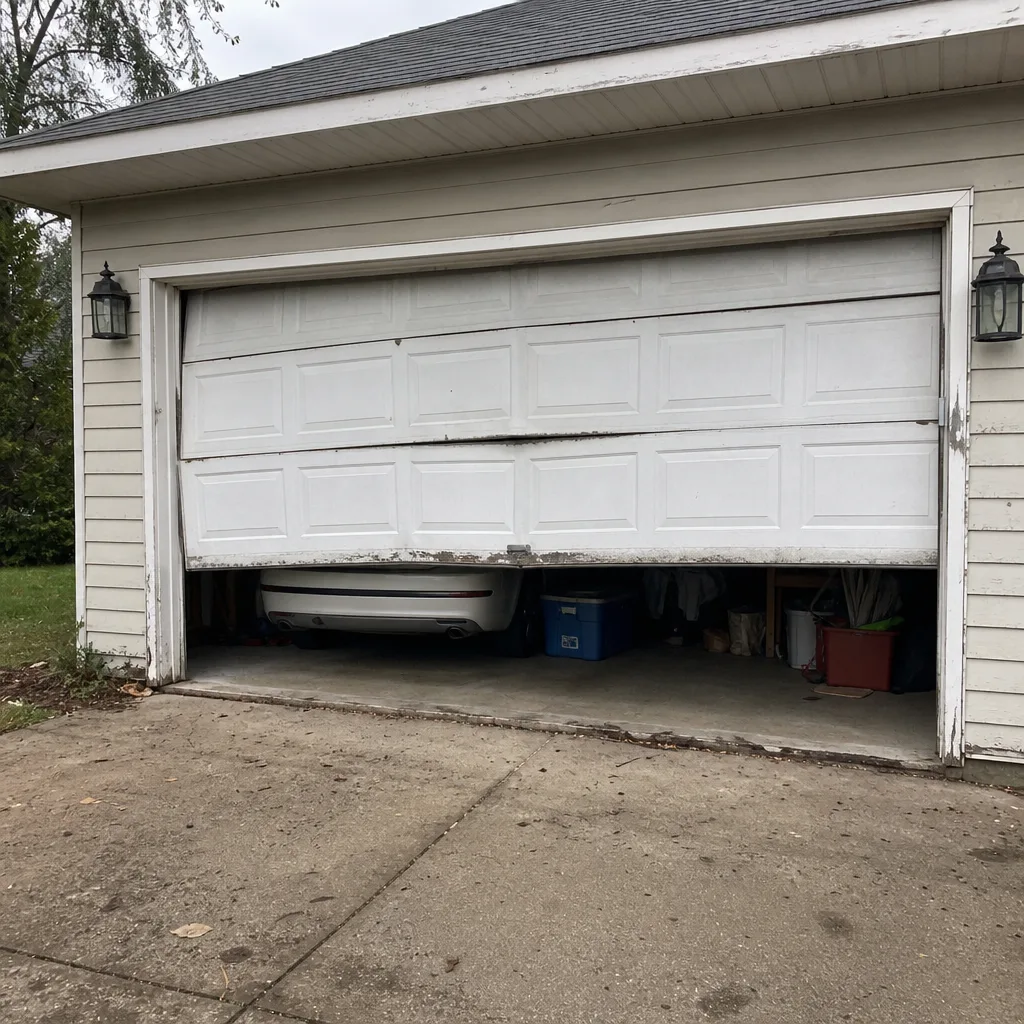 Before
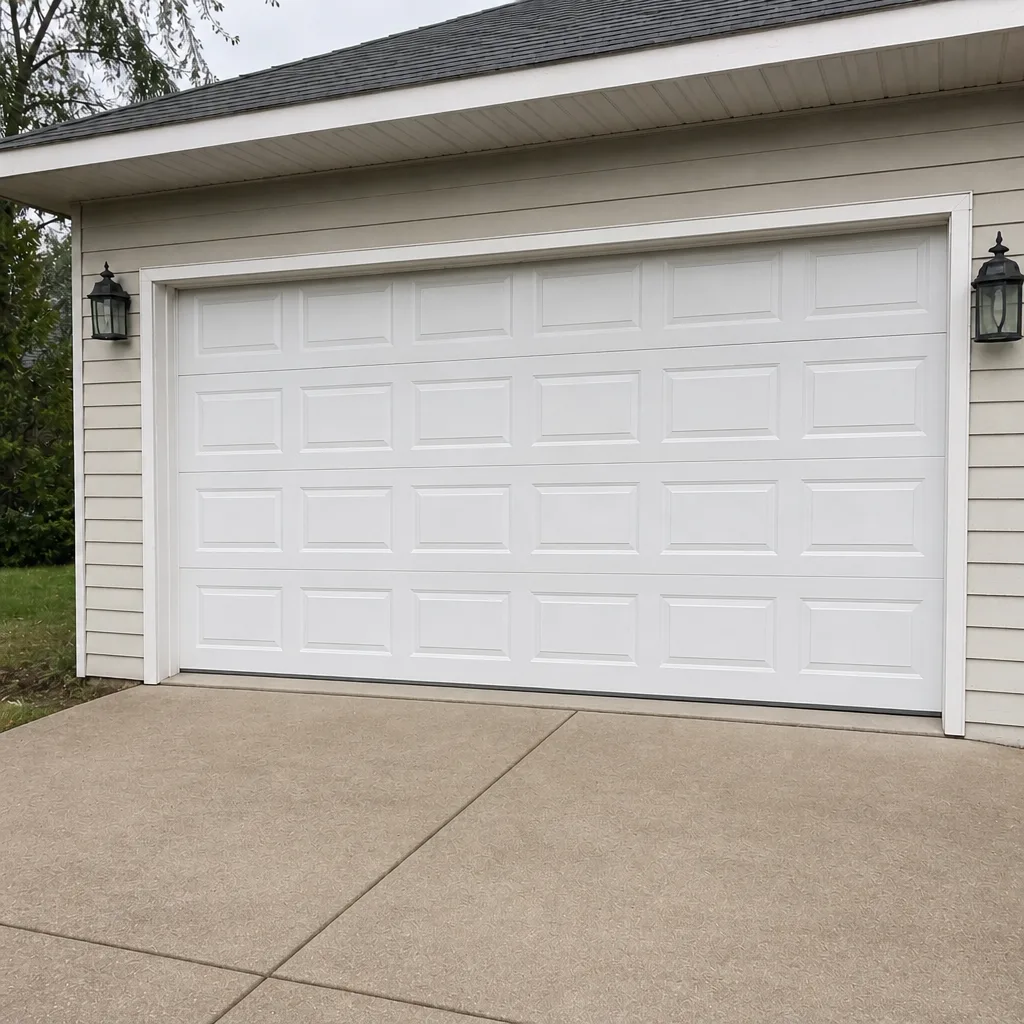 After
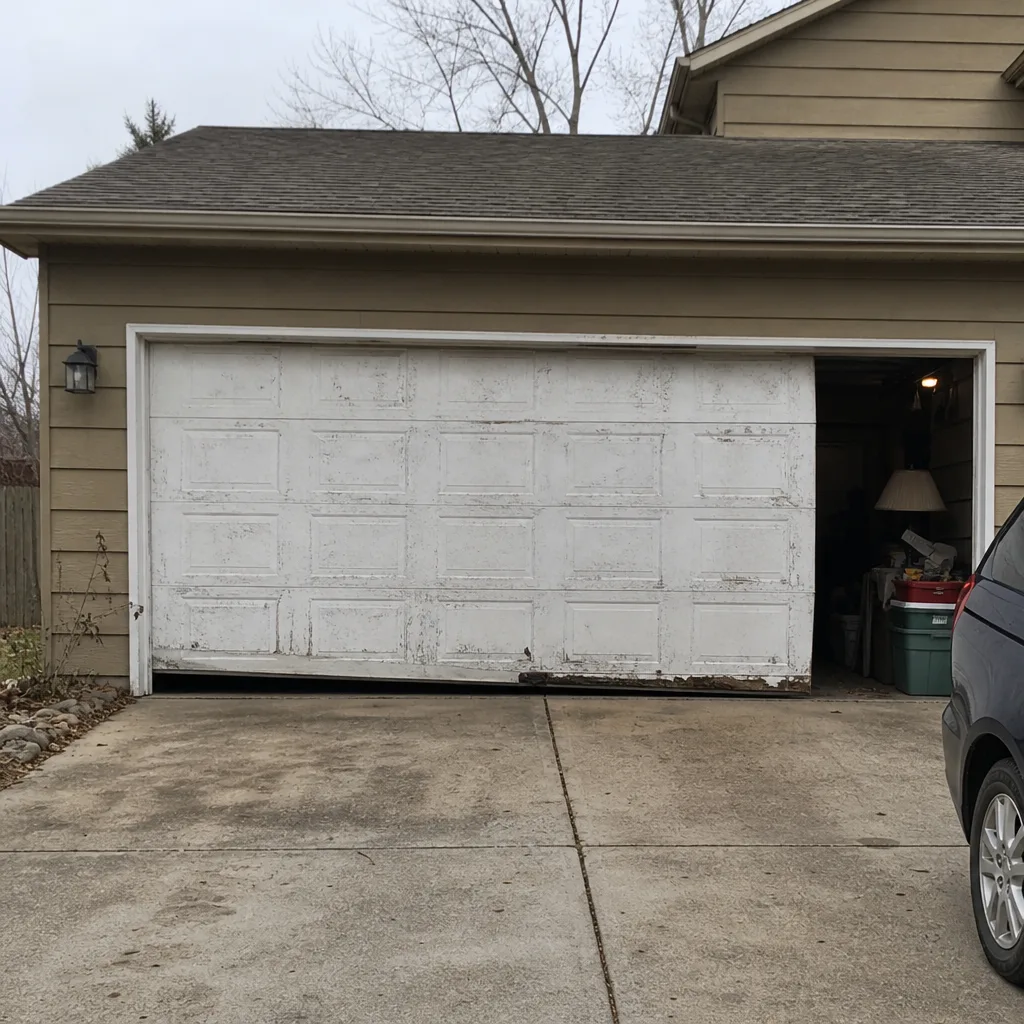 Before
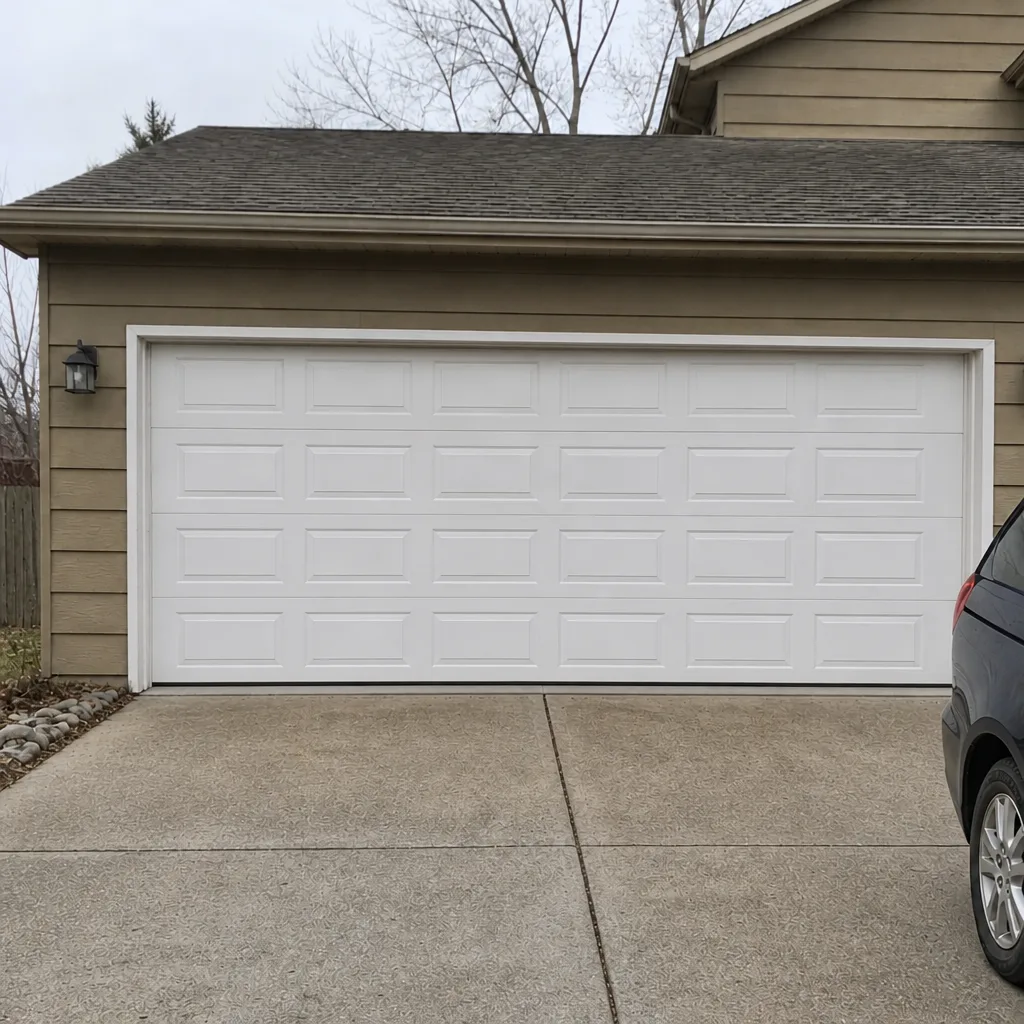 After
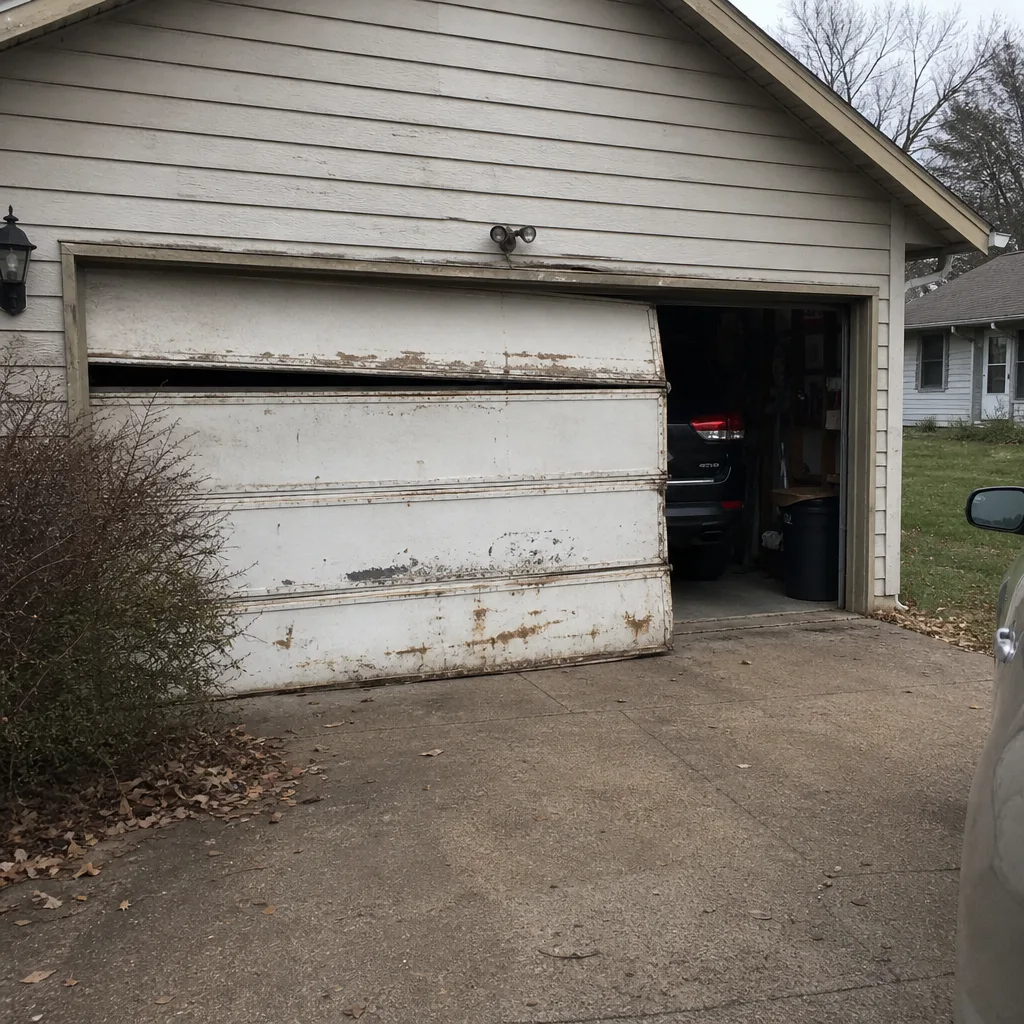 Before
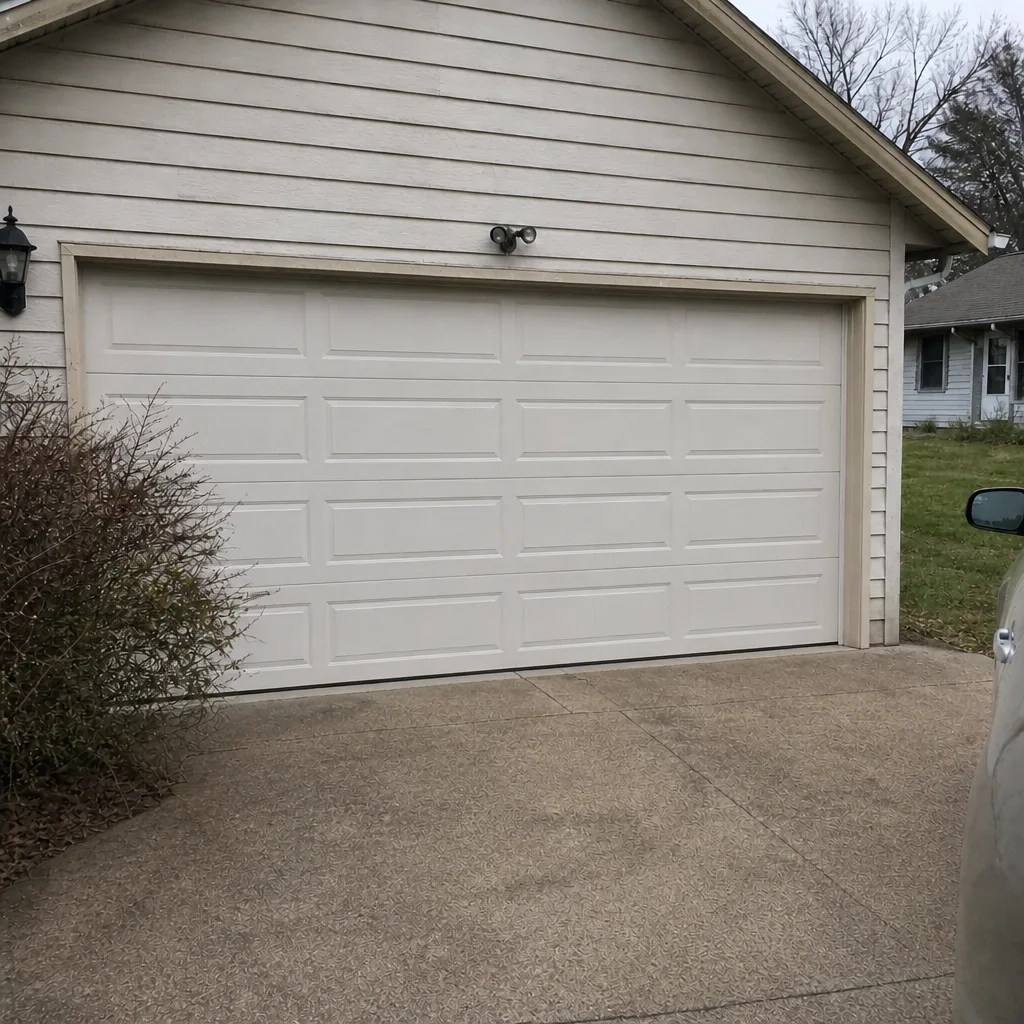 After
When to Call a Professional
Some garage door repairs are safe to handle yourself. A remote that needs re-pairing, a photo-eye that’s been knocked crooked, a track with a slight bend – those are reasonable. Anything involving torsion springs, cables or opener logic boards isn’t. The spring tension on a residential door can easily exceed what a person can safely handle without the right winding bars and training, and a cable that slips under load can cause serious injury. We don’t recommend DIY on springs, cables or anything that stores energy.
Also worth a call: a door that reverses before it closes, an opener that runs but doesn’t lift the door, a door that’s become noticeably heavier to lift by hand, and any door that’s out of balance when you release the opener. Garage Door Repair Plymouth offers free estimates in Plymouth – call (866) 937-8168. We answer 24/7. Fast dispatch from 7am to 7pm, Sunday through Friday.
Frequently Asked Questions
You confirm it three ways: a current Minnesota contractor license number you can verify on the state DLI lookup, a certificate of insurance with an active policy you can confirm with the insurer, and a physical business address. A legitimate contractor will provide all three without hesitation. If any of them is missing or the answers are vague, that’s a red flag.
Spring repair pricing depends on the spring size, door weight and whether it’s a single or matched pair, and the price is set per job by the written estimate. Ask for the spring spec – wire gauge, inside diameter and cycle rating – in writing before you approve work. That’s the part a quote can hide. Call (866) 937-8168 for an exact quote – estimates are free.
Hire a specialist for anything involving springs, cables, opener logic boards or full-door installation. A handyman can swap a remote battery or straighten a photo-eye. A specialist has the training, tools and brand familiarity to size, install and warrant the components that hold the door up.
A proper replacement quote includes the door model and manufacturer, panel construction and R-value, spring specification, track and hardware spec, opener model if included, warranty terms for parts and labor separately, disposal, timeline and deposit. If the quote doesn’t itemize spring spec and cycle rating, ask for a revised one.
For repair work – spring, opener, track, door off track – same-day service is usually possible. Installation and full-door replacement are measured and ordered, so expect a scheduled install, not a same-day one. Call (866) 937-8168 to schedule; we answer 24/7 with fast dispatch from 7am to 7pm, Sunday through Friday.
The local pros we connect you with are licensed and insured as their state requires, and we can walk you through what to verify. Ask for the license number and insurance certificate before any work begins. Confirm both on the Minnesota DLI site and with the insurer – it takes about five minutes.
No. We quote the job in writing and you agree to that price before any work begins. If the diagnosis changes once the door is opened up – say, a hidden track issue – we walk you through the change and get your approval before doing the work. The written estimate sets the final price.
The Bottom Line
Hiring a garage door contractor in Plymouth comes down to three things: verification, specification and documentation. Verify the license and insurance in five minutes. Ask for the spring spec, cycle rating and warranty terms in writing. Get a proposal that itemizes every part, not a single number. The contractor who answers all three clearly is the one to hire. The one who can’t has just told you everything you need to know. Garage Door Repair Plymouth works on LiftMaster, Chamberlain, Genie, Clopay, Amarr, Wayne Dalton, Craftsman and Raynor systems – and our technicians have up to 9 years of experience. If you’re ready to move, or you just want a straight answer about what your door needs, call (866) 937-8168. We answer 24/7 with fast dispatch from 7am to 7pm, Sunday through Friday. Free estimates, and the written quote is the price. For a full view of everything we handle, start at Garage Door Repair Plymouth.
Written by the team at Garage Door Repair Plymouth.