
Last updated November 21, 2026
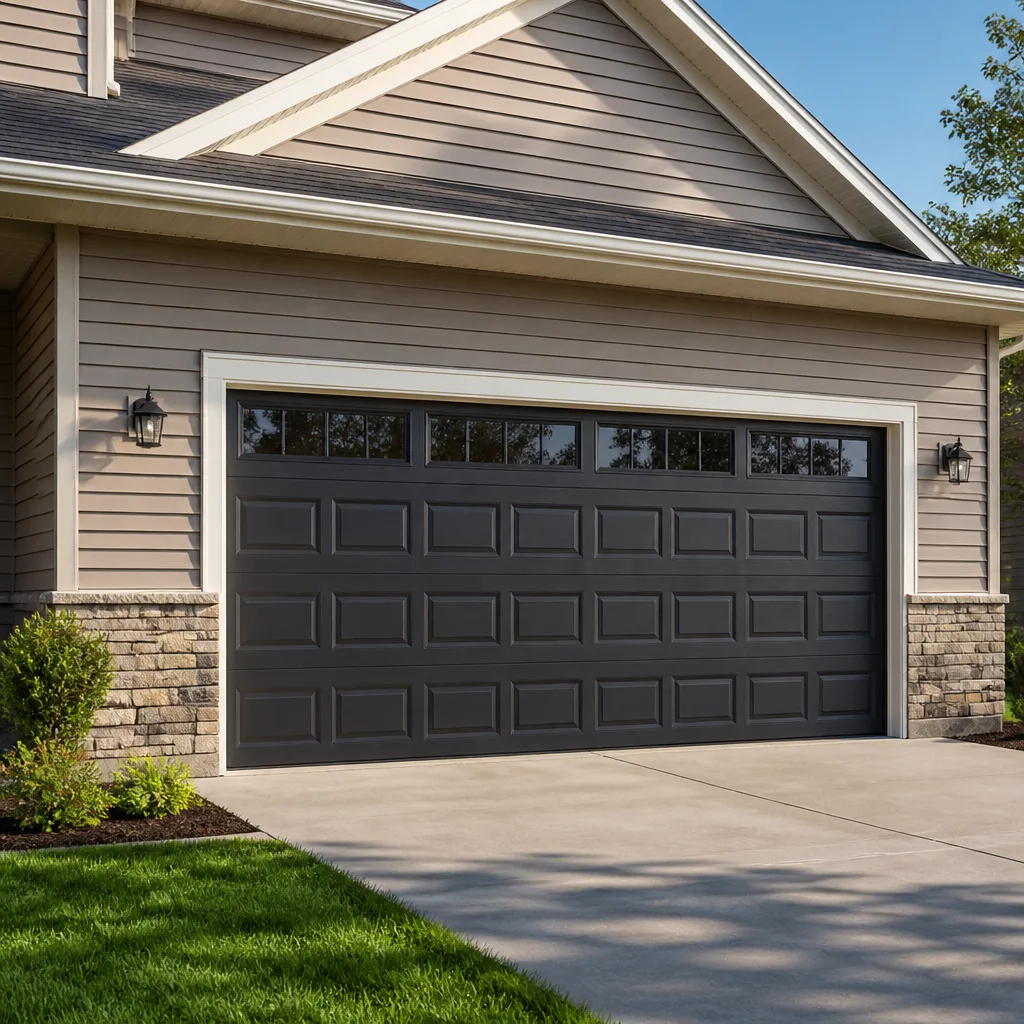 Raised-panel steel
 Carriage house
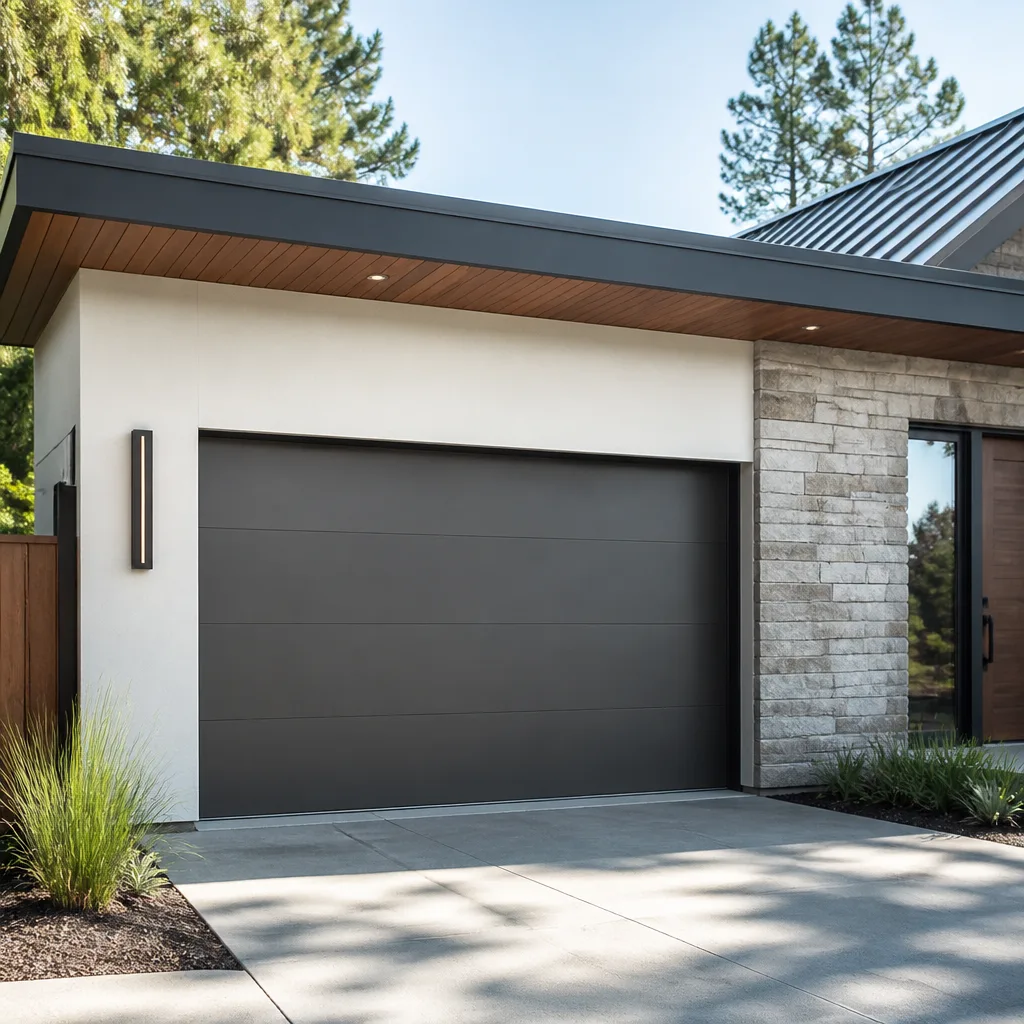 Modern flush
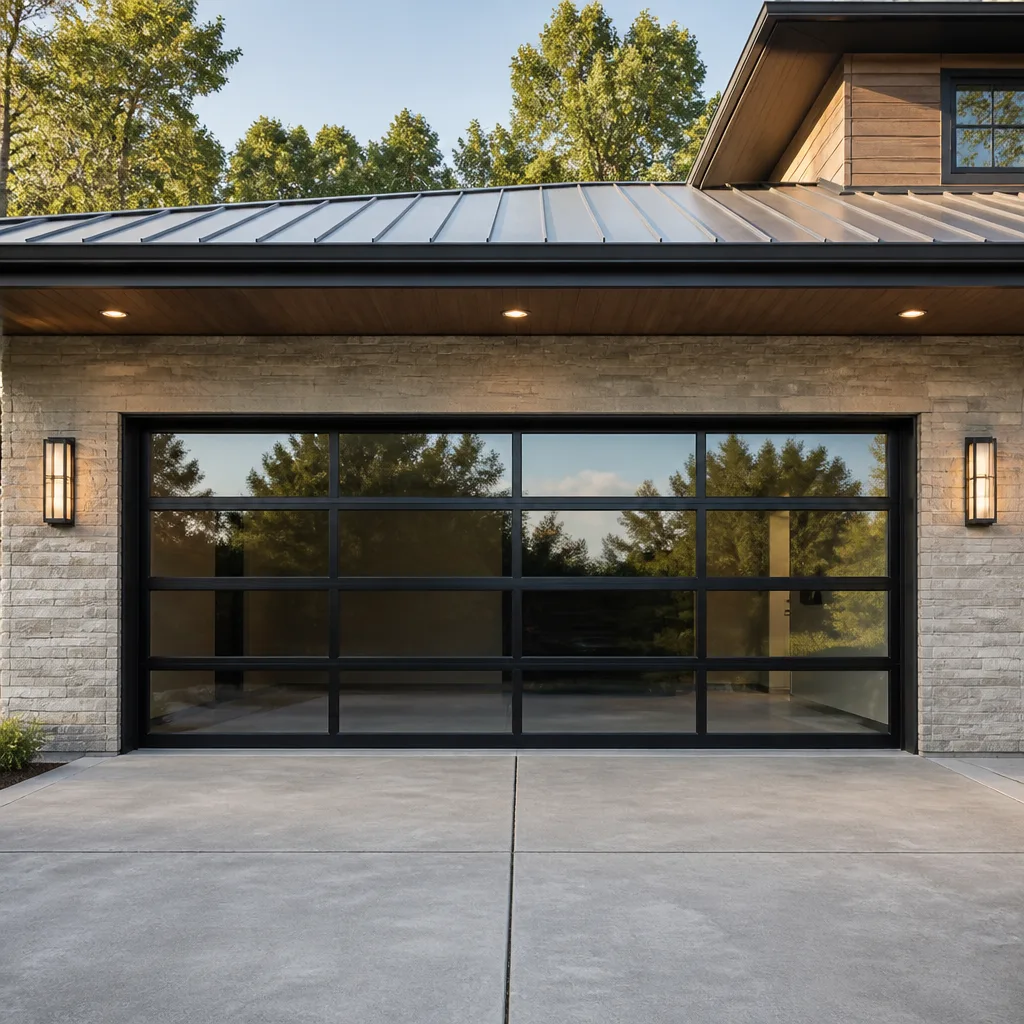 Full-view glass
 LiftMaster openers
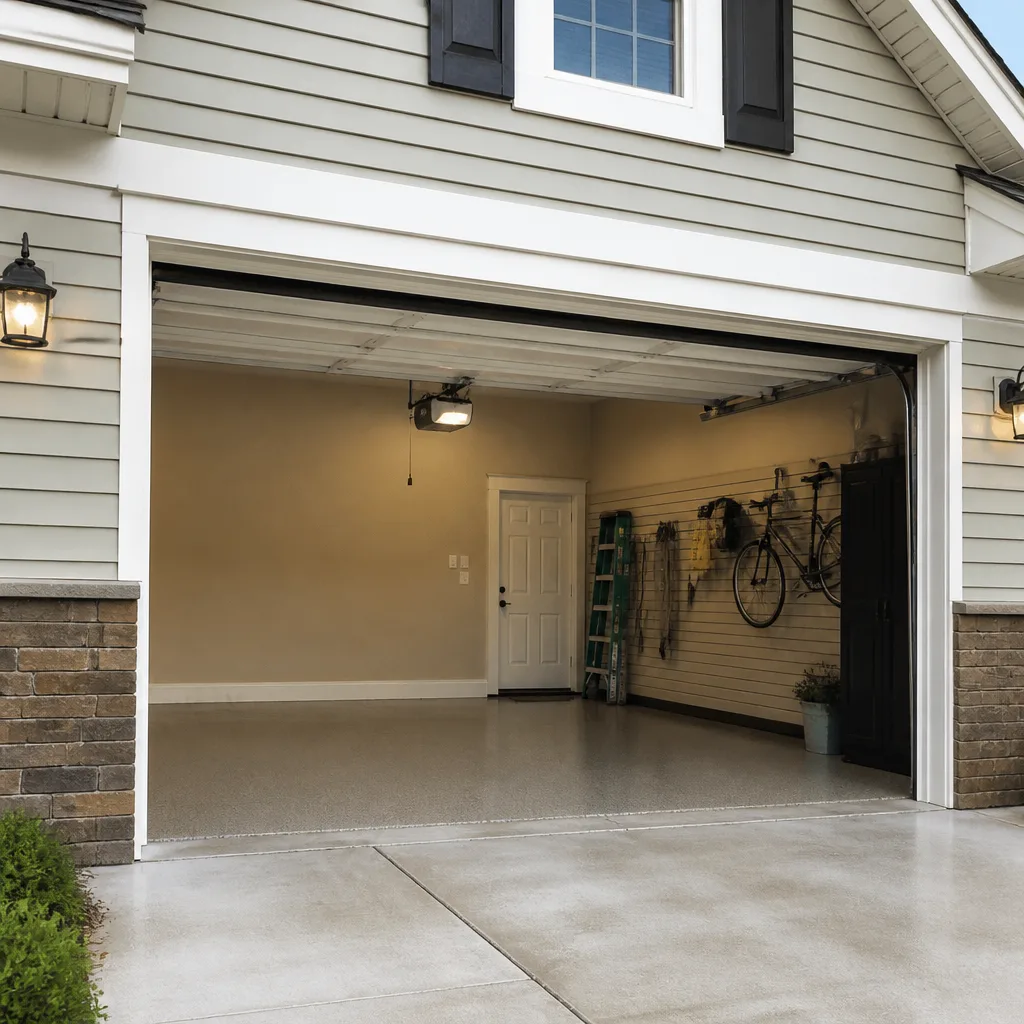 Chamberlain openers
Full 25-point door and opener safety check with every visit - springs, cables, rollers, tracks, and your LiftMaster or Chamberlain opener included
You get a price before we start. It does not change when the pro arrives.
Get your free estimateSeasonal Garage Door Care for Plymouth: Year-Round Homeowner’s Guide
Most homeowners in Plymouth treat garage door care as a winter job. That’s the mistake. By the time the first hard freeze settles over Hennepin County, the window for cheap, easy adjustments has already closed. October is the month that decides whether your door coasts through February or turns into a cold-morning emergency. The prep you do before temps drop – lubricant, weatherstrip, opener force settings – determines how everything downstream behaves. This guide walks through the four-season rhythm specific to Plymouth’s climate, in the order the work actually matters, including one overlooked inspection that spans all four seasons and prevents the most expensive repairs.
Styles & brands we work with
- Raised-panel steel
- Carriage house
- Modern flush
- Full-view glass
- LiftMaster openers
- Chamberlain openers
Quick Answer
Garage doors in Plymouth need four seasonal checkpoints, not one: a fall prep pass (weatherstripping, lubricant swap, opener force adjustment), a winter tension check, a spring inspection for freeze-thaw damage, and a summer check on heat expansion and UV-degraded seals. The single most important month is October – the prep done then prevents most February spring failures. One task belongs on every seasonal list, and most guides skip it entirely: cable drum inspection.
Table of Contents
- Why the Order of Seasonal Care Matters in Plymouth
- Fall Prep: The October Sequence Before Temps Drop
- Winter: Why Springs Fail on the First Extreme Cold Day
- Spring: Finding Freeze-Thaw Damage Before It Spreads
- Summer: Heat Expansion, UV Wear, and Humidity
- The Year-Round Task Most Guides Miss: Cable Drum Inspection
- Plymouth Garage Door Care Calendar
- Common Mistakes to Avoid
- When to Call a Professional
- Frequently Asked Questions
- The Bottom Line
Why the Order of Seasonal Care Matters in Plymouth
Plymouth sits in a climate that swings hard between seasons – humid, warm July afternoons and subzero January mornings, with freeze-thaw cycles packed into the weeks between. Garage doors don’t experience those swings as a single weather event. They experience them as compounding mechanical stress, one season feeding into the next. A weather seal that’s already cracked in October lets meltwater into the door’s bottom section, which freezes and expands in January, which lifts the bottom panel in March, which throws the track out of plumb by May. Each step is a small repair that becomes a large one if the earlier link isn’t handled.
That’s why the sequence matters more than any single task. Fall prep protects the door from cold. Winter attention protects the springs. Spring inspection catches freeze-thaw damage before summer heat makes it worse. Summer care protects the seals and finishes that fall will need intact. Skip a step and the next season inherits the problem.
We’ve seen this pattern play out across Plymouth neighborhoods – the four-season rhythm of a door in the Hollydale area, where mature trees drop debris on openers and tracks all autumn, looks different from a newer build near Parker’s Lake where doors sit tight against prevailing wind. The seasonal checklist is the same; the emphasis shifts. If you’re not sure how to read your own door, our Garage Door Repair Plymouth team diagnoses the seasonal wear pattern directly.
Fall Prep: The October Sequence Before Temps Drop
Fall prep in Plymouth is a specific order of operations, and doing it out of sequence creates extra work. The three tasks that matter most are weatherstripping, a lubricant swap, and an opener force adjustment, done in that order.
1. Inspect and replace weatherstripping first. The bottom seal and the perimeter weatherstrip are the door’s first defense against cold air, meltwater, and snow that blows in under the door. Run a hand along the bottom seal – if it’s stiff, cracked, torn, or flattened so it no longer touches the concrete, replace it before temps drop. Run the same check on the side and top strips. A seal that’s still pliable in October will harden once the cold arrives; a seal that’s already stiff in October won’t seal at all by January.
2. Swap the lubricant. Summer-weight garage door lubricant thins out in warm weather. As cold arrives, that thin film becomes tacky, then gummy, then starts dragging on the rollers, hinges, and springs. Swap to a cold-weather lubricant designed for low temperatures before the first freeze. This is the single task most homeowners skip, and it’s the one that shows up as a sluggish door in December.
3. Adjust the opener force setting last. Once the seal is fresh and the door is lubricated, check the opener’s force setting. On LiftMaster, Chamberlain, Genie, and Craftsman units, force adjustment is a screw or digital menu item – the setting tells the motor how hard to push. If the door is dragging slightly after new weatherstrip is installed, the opener may need a small increase in force to compensate. If it was already fine, don’t touch it. Get this right in October and your opener handles cold mornings without strain.
Winter: Why Springs Fail on the First Extreme Cold Day
Garage door torsion springs fail most often on the first genuinely cold day of the season, not in the middle of January. There’s a mechanical reason. Torsion springs are steel under constant tension, and steel becomes less ductile as temperature drops. The metal doesn’t bend as gracefully; it becomes more brittle. Add the thermal contraction that shortens the metal slightly as temps plunge, and the spring’s stress loading shifts – sometimes by a small amount, sometimes enough to push a spring already near the end of its cycle life past the breaking point. The door goes up once more, the spring snaps, and the homeowner is standing in a cold garage wondering what just happened.
Plymouth’s cold snaps arrive fast. A 30-degree overnight drop in October or November is typical, and it’s exactly the kind of shock that finds weak springs.
A tension pre-adjustment in late October reduces the risk in two ways:
- A technician can measure the spring’s current tension against the door’s balance, so a spring that’s already losing tension is flagged before the cold snap.
- Any door that’s dragging or running slow is rebalanced so the springs aren’t carrying more load than they should. A door that needs a shove to close is telling you the springs are overworked – and cold weather will finish them off.
Spring work is one of the genuinely dangerous parts of garage door service. High-tension springs and the cables that connect them store enough energy to cause serious injury when handled without the right tools and training. We handle garage door spring repair as a dedicated specialty for exactly that reason. If your door is running slow or the springs have snapped, don’t attempt any adjustment yourself – a trained professional should be the one to touch them.
Spring: Finding Freeze-Thaw Damage Before It Spreads
Spring in Plymouth reveals what winter did. The freeze-thaw cycle is the villain here – water gets into a crack, seam, or gap, freezes overnight, expands, thaws during the day, and leaves the material slightly wider than it was. Repeat that cycle through March and April and the damage compounds. The three spots to inspect closely are the tracks, the bottom seal, and the concrete threshold.
Tracks. Look for gaps between the track and the door jamb, dents at the bottom curve, and any section where the track has pulled slightly away from the frame. Freeze-thaw heaves the concrete under the door and can push the bottom of the track out of plumb. A track that’s out of alignment stresses the rollers and the opener.
Bottom seal. The seal that survived October may have taken a beating in the cold. Check for tears, gaps, and any part of the seal that no longer rests flush on the ground. Meltwater that ran under the door in February leaves the seal stiff and worn by March.
Concrete threshold. Look for hairline cracks and spalling at the lip where the door lands. Freeze-thaw is hard on garage aprons, and a crumbled threshold creates a gap that lets water back under the door – the same loop repeating.
The order matters here: check the threshold first, then the seal, then the tracks. If the threshold is damaged, the seal can’t sit flush no matter how new it is. Fix the ground before the door.
Summer: Heat Expansion, UV Wear, and Humidity
Summer is the season Plymouth homeowners relax about the door, but it’s an active season for wear. Steel doors expand in July heat. The metal panels lengthen slightly, which can cause sections to bind, seams to creak, and the door to sit slightly off square during the hottest part of the day. Most of this is normal – but a door that binds hard in July heat will become a door that drags in winter, because the same tolerances that were tight in summer get tighter in cold.
Two summer-specific issues deserve attention:
- UV degradation of seals. Sun exposure breaks down rubber and vinyl seals, causing them to crack, chalk, and lose their seal. The bottom seal and perimeter weatherstrip that held up in October will be the ones to inspect again before fall, because a summer of sun has thinned the material.
- Humidity’s effect on wood overlays. Plymouth’s July humidity is hard on wood overlay doors and wood-surround doors. Wood swells in humidity and shrinks as it dries – which can warp panels, open seams, and loosen hardware. A door with wood components deserves a summer pass to check seams and finish. Cracks in the finish let moisture in, and moisture in the wood is what warps it.
Summer is also the season to listen. If your opener is a LiftMaster, Chamberlain, or Genie unit, that summer hum you hear under the door should be the motor, not a groan from the door itself. A door that groans in July heat is telling you the hinges and rollers need attention, and doing that work in summer means it’s done before fall.
The Year-Round Task Most Guides Miss: Cable Drum Inspection
Nearly every seasonal garage door guide covers lubricant, springs, and weatherstripping. Almost none mention the cable drums – and those are the component most likely to fail without warning. Cable drums are the spools at each end of the torsion bar that the lift cables wrap around. When a cable comes off a drum, or a drum cracks, the door drops unevenly and sometimes completely. It’s not a small failure.
Cable drum inspection isn’t a separate seasonal task; it’s a habit that belongs in every seasonal pass. The check is visual from the floor: with the door closed, look at each drum for a cable that’s riding out of its groove, a drum that’s cracked at the collar, or a cable with frayed strands. If any of those show up, stop using the door and call a professional. Cable drums and cables are under the same high tension as springs – this is a hands-off inspection, not a hands-on one.
Because the drum is on the door in all four seasons, this check should appear on every seasonal list. That’s why we fold it into every service call, including routine garage door repair work. If your door is making a clicking or popping sound on one side, or the door lifts at an angle on one side, the cable drum is the first place to look. For opener diagnosis on the same visit, our garage door opener repair work covers the exact same torque and balance questions.
Plymouth Garage Door Care Calendar
Here’s the seasonal rhythm in the order the work needs to happen. Every Plymouth homeowner can run this list, and it’s the same sequence we use on a service call.
- Early October – fall prep pass. Inspect and replace the bottom seal and perimeter weatherstrip. Swap to cold-weather lubricant on hinges, rollers, tracks, and springs. Check the opener force setting. Get a balance check on the door and a spring tension reading if any drag is present.
- Late October – pre-cold tension check. Confirm the door is balanced and the springs aren’t overworked. This is the step that prevents first-extreme-cold failures.
- February – mid-winter look. If any part of winter has been rough, check the bottom seal for ice damage and the tracks for frost-heave misalignment. Don’t adjust springs in extreme cold – that’s technician work.
- Early March – freeze-thaw inspection. Check the concrete threshold, the bottom seal, and the tracks for freeze-thaw damage. This is the most productive inspection of the year.
- June – summer check. Look at the finish on wood overlays, inspect the seals for UV wear, and listen for drags or groans from the door as it runs in heat.
- Every seasonal pass, all year – cable drum check. Visual only, from the floor. If anything looks off, stop and call.
That’s six checkpoints a year if you count the mid-winter look. Five is plenty for most doors. What matters more than the frequency is the order – because each season’s task protects the next.
Common Mistakes to Avoid
- Waiting until winter to prep. The most common mistake in Plymouth. Fall prep done in October prevents most winter failures; fall prep attempted in January is repair, not prevention.
- Lubricating springs and cables without knowing what you’re doing. A light film of cold-weather lubricant on the springs is standard. Anything more aggressive, or any attempt to loosen a tensioned spring to lubricate it, is a safety hazard. Springs are under extreme tension and cause serious injury when handled wrong.
- Adjusting the opener force up “just to get it closing.” Raising the force setting to compensate for a dragging door is a temporary fix that strains the motor and can mask a real problem – a worn seal, a bad hinge, or a failing spring. Fix the door, then set the force.
- Skipping the concrete threshold in spring. Freeze-thaw damage starts at the concrete under the door, and it’s easy to miss because it’s below eye level. Check it before the seal, or the new seal won’t seal.
- Ignoring the summer heat. A door that creaks, groans, or binds in July heat is telling you about winter tolerance already being tight. Fixing it in summer costs less than fixing it in January.
- Treating the cable drum as “not on the list.” It’s the failure that arrives without warning. A visual check takes seconds; the repair after a cable slips off is not small.
- Calling a general handyman for spring or opener work. Springs and openers are the two components where brand knowledge matters most. A LiftMaster or Chamberlain opener has different force settings and safety reversal behavior than a Genie or Craftsman unit, and a Clopay or Amarr door has hardware that responds differently to a generic adjustment.
When to Call a Professional
Seasonal care handles the routine. Some scenarios need a trained hand on the door. Call a professional when a spring has snapped, when the door lifts at an angle on one side or drops unevenly, when a cable is visibly frayed or off the drum, when the opener reverses for no reason or won’t fully close, or when the door has been hit and the panel or track is bent. Also call when your seasonal inspection turns up something you can’t diagnose – a click or pop on one side, a door that needs a shoulder to close, or a gap in the seal that keeps returning. Our team at Garage Door Repair Plymouth offers free estimates in Plymouth – call (866) 937-8168. Our technicians have up to 9 years of experience, and we’re factory-familiar with the exact hardware on LiftMaster, Chamberlain, Genie, Clopay, Amarr, Wayne Dalton, Craftsman, and Raynor systems, so the diagnosis doesn’t start from scratch.
Frequently Asked Questions
October. Fall prep done in October – fresh weatherstripping, a cold-weather lubricant swap, and an opener force check – prevents most winter failures, including the first-cold-day spring problems that send homeowners to the phone in February. Waiting until winter turns prevention into repair. Call (866) 937-8168 to schedule an October checkup – estimates are free.
Steel becomes less ductile as temperatures drop, so the spring is more brittle when the first hard cold arrives. Thermal contraction also shifts the stress on a spring that’s already near the end of its service life. A tension pre-adjustment in late October is the practical defense – it catches weakening springs before the cold snap finds them. If your springs have already snapped, don’t run the door; call (866) 937-8168 for an estimate.
Check three things in order: the concrete threshold for hairline cracks and crumbling at the lip, the bottom seal for tears and gaps that no longer sit flush, and the tracks for dents or sections that have pulled away from the jamb. Start with the threshold – if it’s damaged, the seal can’t seal no matter how new it is. Call (866) 937-8168 if any of the three show damage – estimates are free.
The steel panels expand slightly in July heat, which can make the door bind or creak during the hottest part of the day. It’s mostly normal, but a door that binds hard in summer will get tighter in winter as tolerances close. Summer is also when UV exposure degrades rubber and vinyl seals, and when Plymouth’s humidity warps wood overlays. A June inspection catches all three. Call (866) 937-8168 for a summer check.
Because most guides focus on springs and weatherstripping – the two components homeowners expect to fail. Cable drums hold the lift cables under the same high tension, and a drum that cracks or a cable that rides out of its groove can drop the door unevenly. A quick visual check from the floor, in every season, is the cheapest insurance on the whole system. If you see a cable off the drum, stop using the door and call (866) 937-8168.
Yes. The local professionals we connect you with are licensed and insured as their state requires, and the technicians who work on your brand are factory-familiar with LiftMaster, Chamberlain, Genie, and Clopay hardware. All pricing is quoted and agreed before any work starts. Call (866) 937-8168 for a free estimate – we answer 24/7, with fast dispatch from 7am to 7pm, Sunday through Friday.
The Bottom Line
Plymouth’s garage doors don’t fail by accident. They fail on a timeline: fall prep skipped, springs strained in the first cold snap, freeze-thaw damage ignored in spring, summer heat and UV wear making everything worse. The fix is a seasonal order of operations, run consistently. October for prep, February for a mid-winter check, March for freeze-thaw damage, June for summer wear – and a cable drum check on every one of them. If you’d rather have a trained technician run the list once and tell you exactly what your door needs, call (866) 937-8168 for a free estimate. Same-day service is available, and we answer 24/7.
Written by the team at Garage Door Repair Plymouth.
See the difference
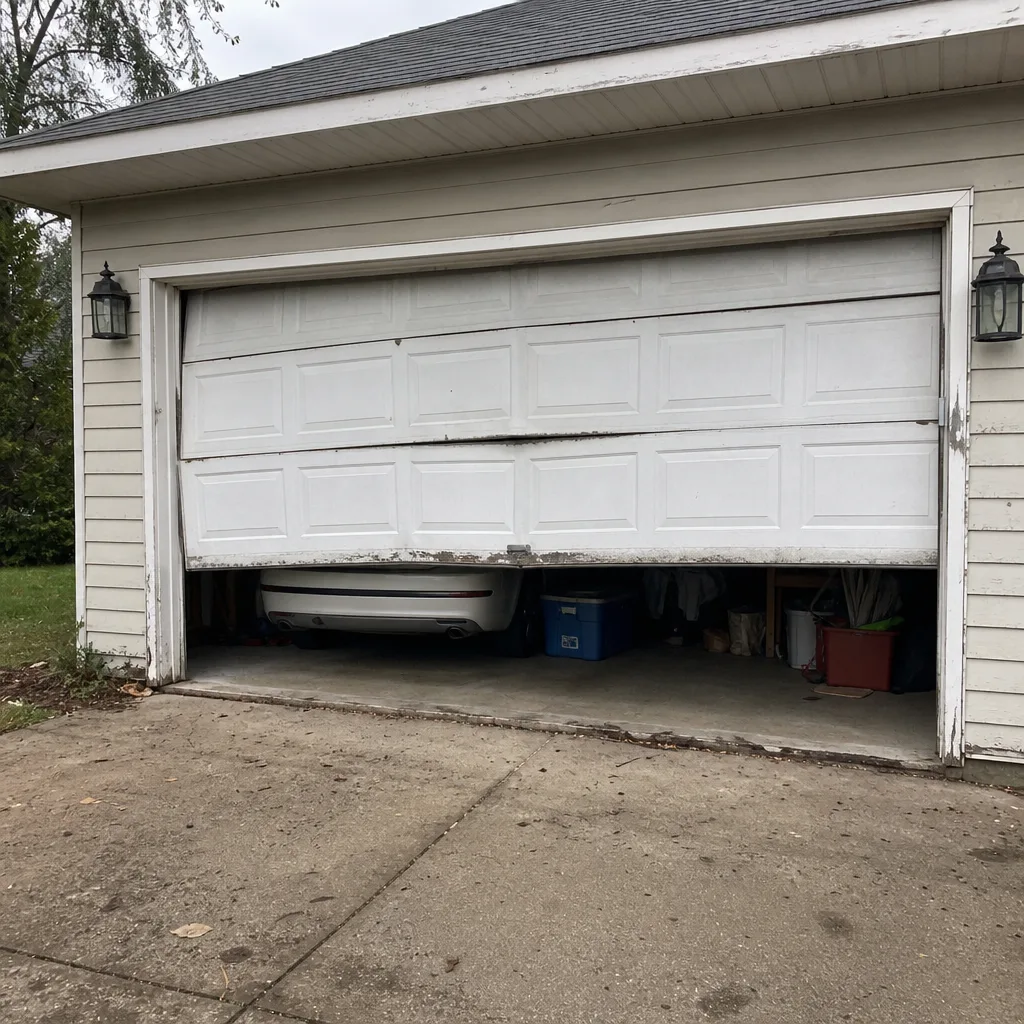 Before
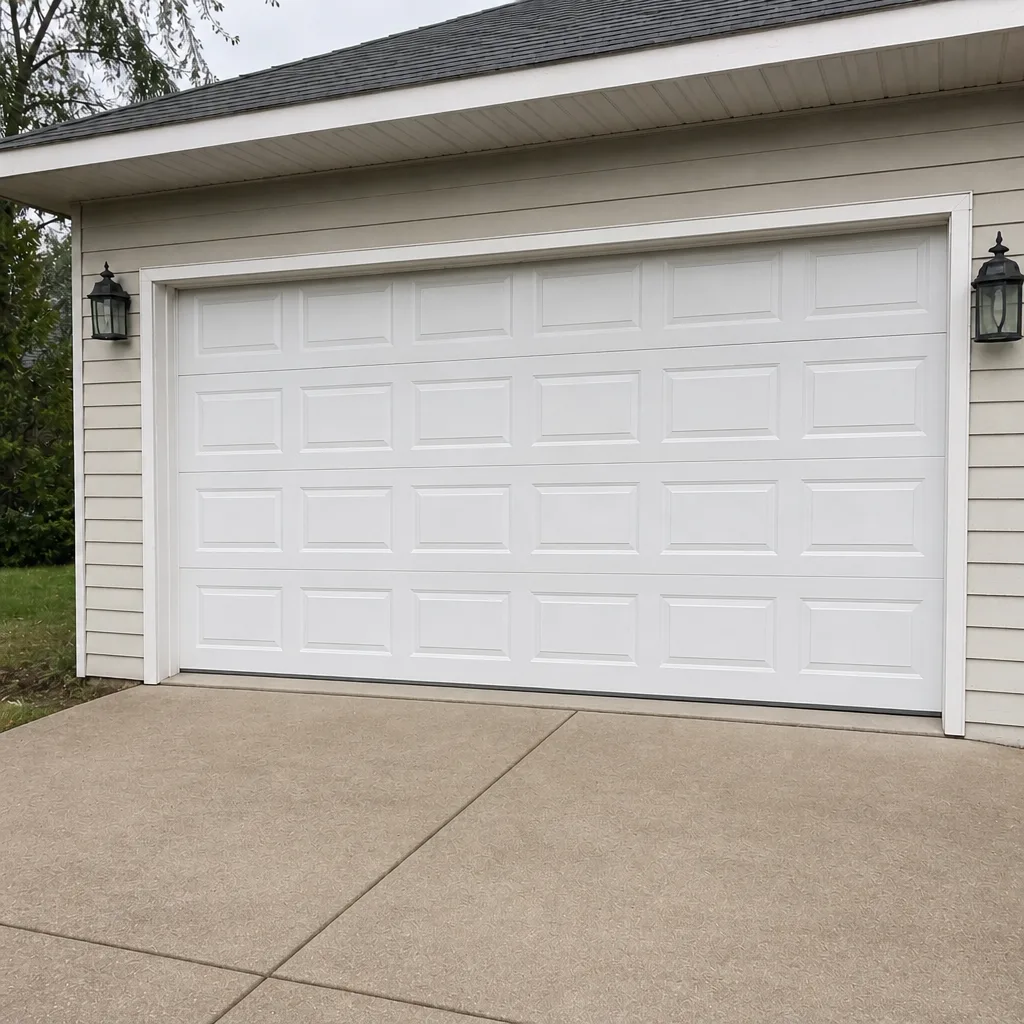 After
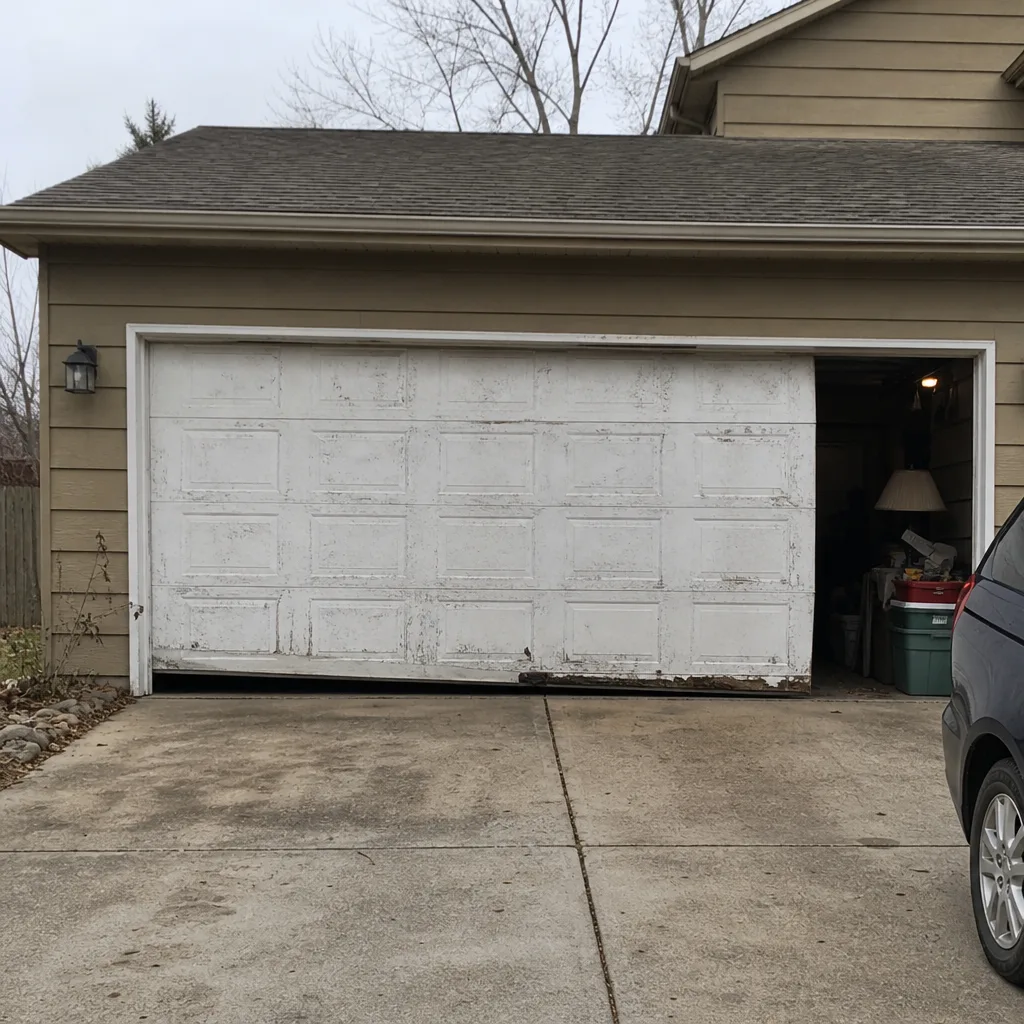 Before
 After
 Before
 After