
Last updated November 21, 2026
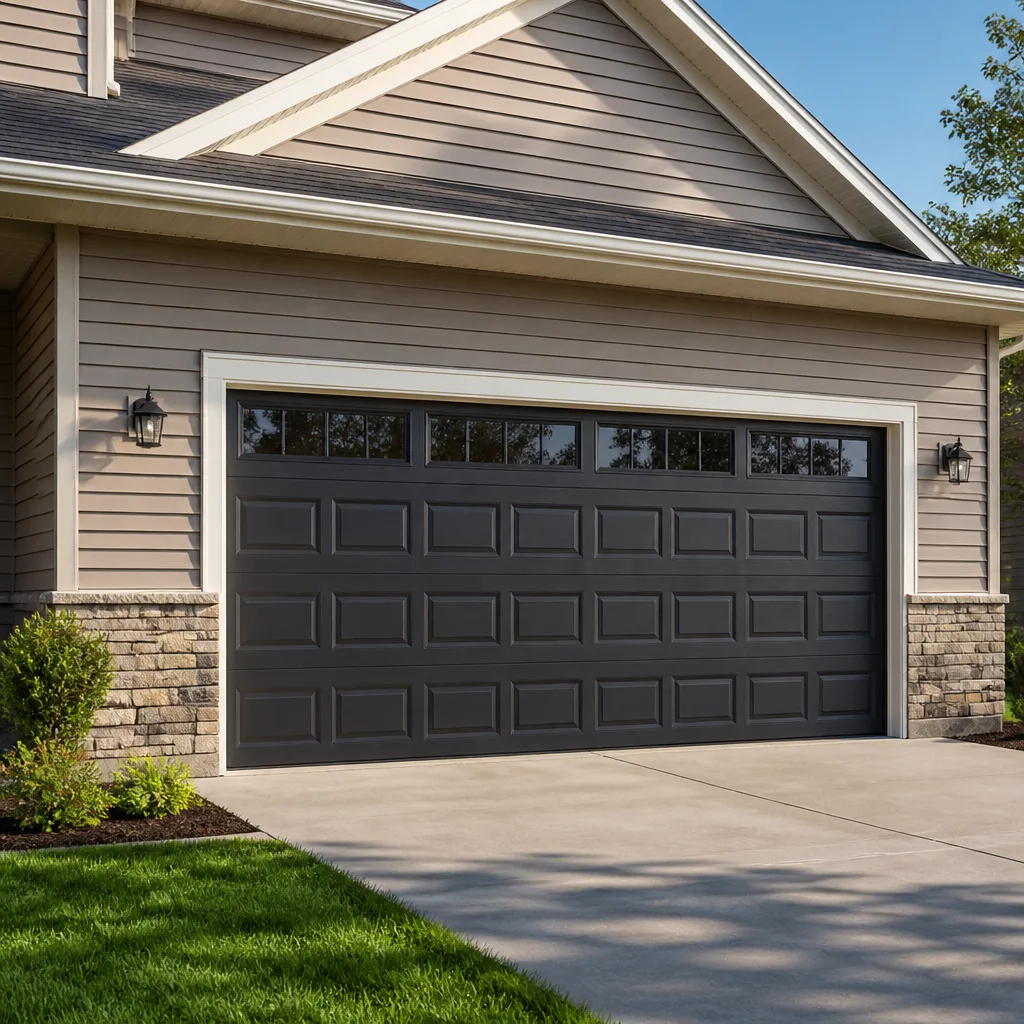 Raised-panel steel
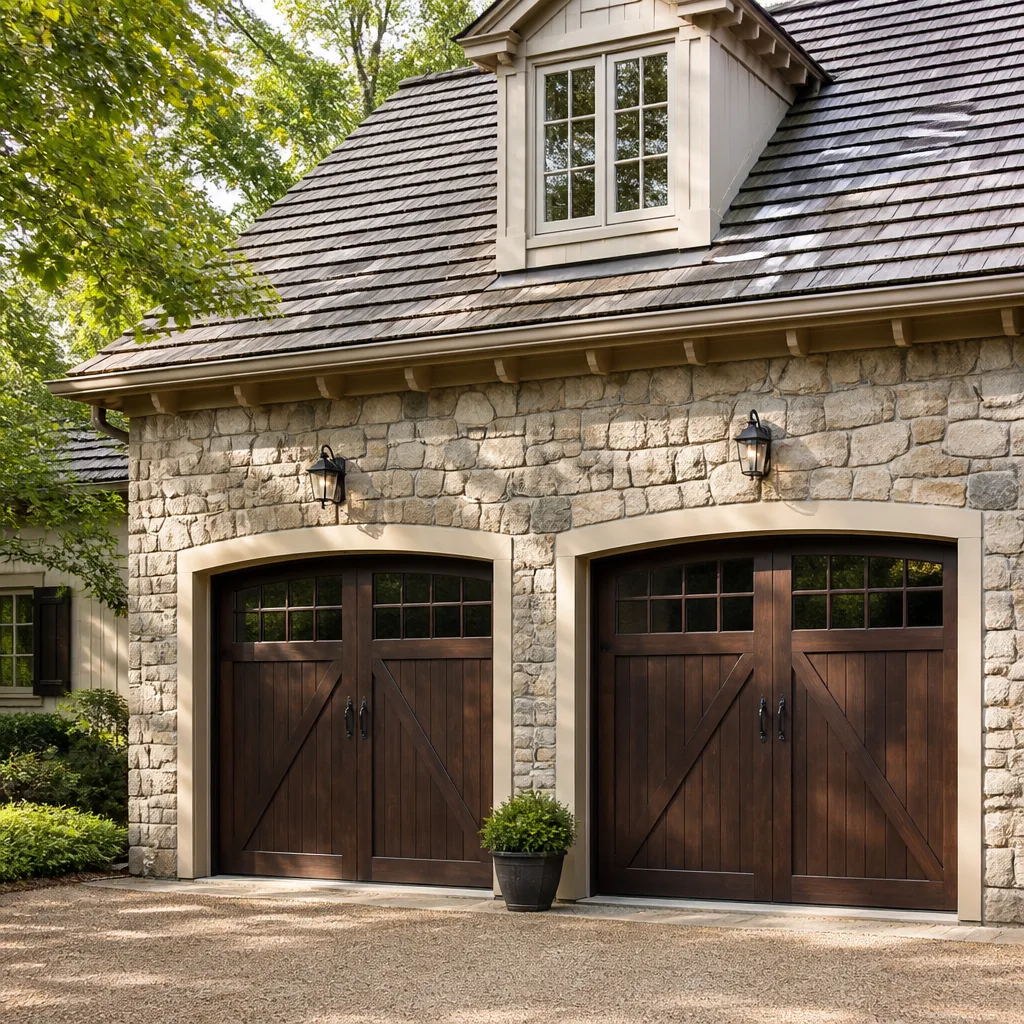 Carriage house
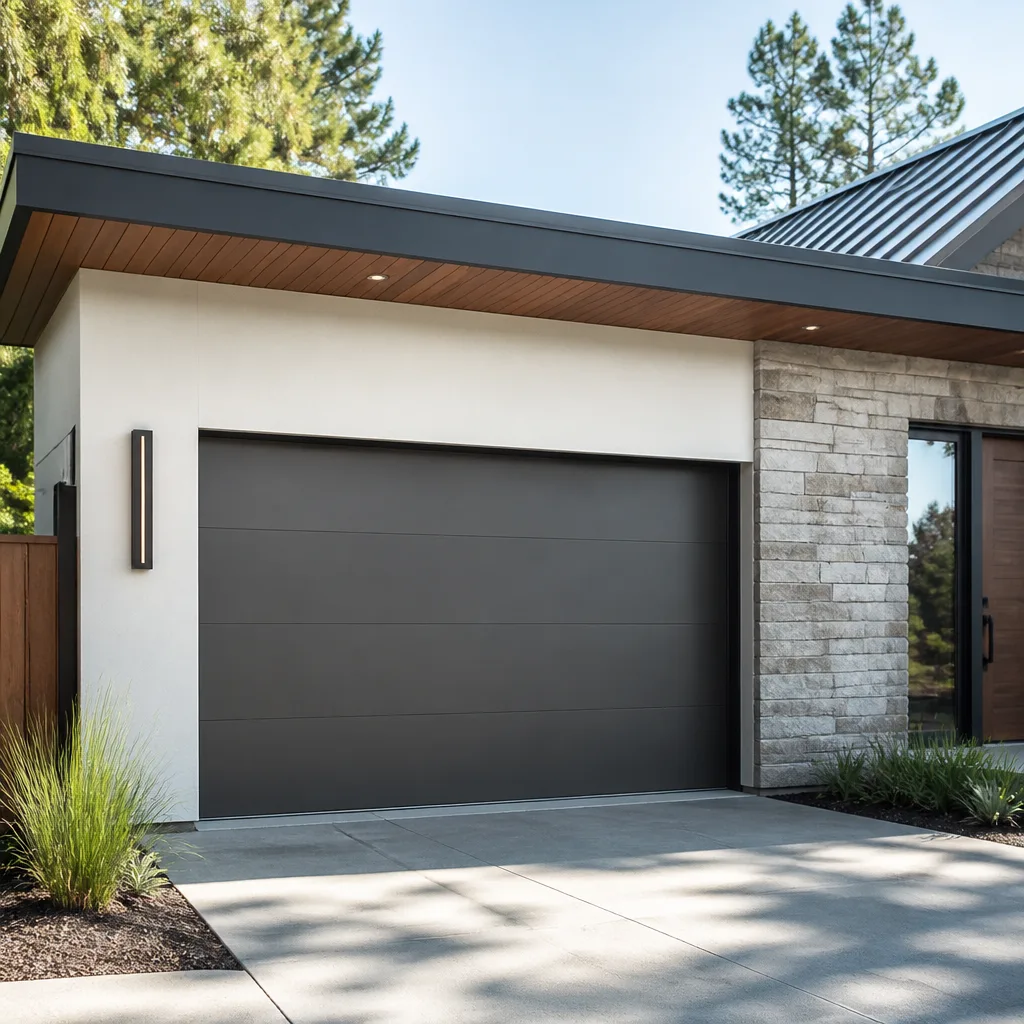 Modern flush
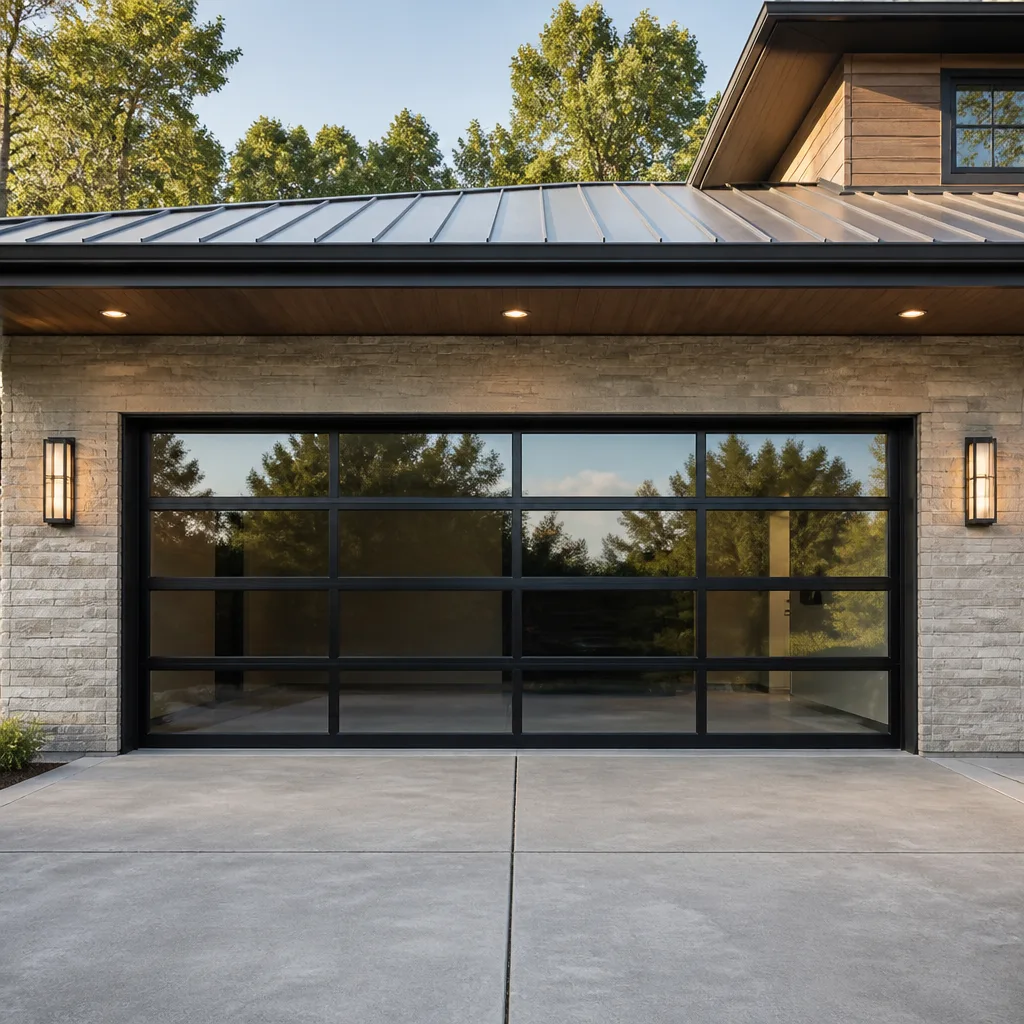 Full-view glass
 LiftMaster openers
 Chamberlain openers
Full 25-point door and opener safety check with every visit - springs, cables, rollers, tracks, and your LiftMaster or Chamberlain opener included
You get a price before we start. It does not change when the pro arrives.
Get your free estimateGarage Door Warning Signs: A Plymouth Homeowner’s Reference Guide
A grinding noise and a slow-to-respond opener can both feel urgent. One usually means a $15 roller replacement; the other can mean a torsion spring that’s close to failing under load. That gap between what a symptom sounds like and what it actually signals is where Plymouth homeowners either panic over nothing or wait too long on something serious. This guide maps the sounds, movements and behaviors your door makes to their real mechanical causes, so you can sort “this week” from “this year” before a small fix turns into a whole-door problem.
Quick Answer
Garage door warning signs fall into three tiers: cosmetic issues you can monitor, mechanical wear that needs attention within weeks, and hard-stop warnings (a snapped or stretched spring, a door that comes down crooked, or a loud bang followed by a door that won’t lift) that mean stop using the door immediately. Most failure modes give notice well before they become dangerous. The trick is knowing which symptom belongs to which tier, because a door that still opens isn’t automatically a door that’s safe to keep opening.
Styles & brands we work with
- Raised-panel steel
- Carriage house
- Modern flush
- Full-view glass
- LiftMaster openers
- Chamberlain openers
Table of Contents
- Symptom-to-Cause: What Your Door Is Telling You
- The Three Signs That Mean Stop Using the Door
- Cosmetic Wear vs. Structural Warnings
- When the Door Reverses Unexpectedly
- Springs and the Cycle Count: How Much Time You Have
- Opener Distress Signals Homeowners Miss
- How to Document a Problem Before You Call
- Why Plymouth Weather Accelerates Wear
Symptom-to-Cause: What Your Door Is Telling You
Most homeowners describe a problem by its sound. “It’s making a grinding noise.” That’s a starting point, not a diagnosis. In our experience across Plymouth, the same complaint comes from a dozen different sources, and getting the cause right on the first call is what keeps the repair small. Here’s how we map the common symptoms to the hardware that actually causes them:
- Grinding or squealing during travel – worn or dry rollers, a dry hinge, or a bent track section forcing the rollers to scrape.
- A single loud bang, door suddenly heavy – a torsion spring has broken. This is the most common hard failure we see.
- Door lifts a few inches and stops – a broken spring, a stripped opener gear, or a safety reverse triggered by obstruction.
- Door comes down crooked or one side lags – a broken cable, a snapped spring on one side of a pair, or a track that’s pulled loose from the wall.
- Rattling and vibration – loose hardware, worn nylon rollers, or a hinge that’s backed out of the panel.
- Opener runs but the door doesn’t move – a broken torsion spring, a disconnected trolley, or a stripped drive gear inside the opener.
- Door reverses at the floor before touching it – safety sensor misalignment or a sensor lens clouded by grit.
- Remote needs to be closer to work – weak remote battery, antenna issue, or interference. Common on Chamberlain and Genie units.
- Chipped or peeling paint at the bottom panel – moisture intrusion at the threshold, worth monitoring before the panel rusts through.
- Visible gap between panel sections – a bent hinge or panel separation, which is a structural warning, not cosmetic.
Some of these overlap. A door that lifts a few inches and stops could be a spring or a gear, and the difference matters because one is a spring job and the other is an opener job. Our technicians have up to 9 years of experience telling those apart, and the diagnostic step matters more than the repair step on a door that’s still technically working.
The Three Signs That Mean Stop Using the Door
Some garage door problems can wait a week. Three cannot. If you see any of the following, stop operating the door and call for service before you cycle it again:
- A snapped or visibly stretched torsion spring. A broken spring can’t carry the door’s weight. The opener (or your arms, if you’re lifting it manually) is now holding a load the spring was designed to balance. Continuing to cycle the door puts enormous strain on the opener and cables, and can cause the door to slam.
- A door that comes down crooked, one side lower than the other. This means a cable has failed, come off its drum, or a spring on one side of a pair has broken. A door moving unevenly can bind, pull the track out of the header, or drop.
- A loud bang followed by a door that won’t lift or feels extremely heavy. That bang usually is a spring breaking. The door is now unsupported. Don’t force it, and don’t let anyone stand under it.
Garage door springs are under extreme tension. The cables attached to them are under the same load. This is the one part of a garage door system where a homeowner with tools and good intentions can be seriously hurt, which is why spring work is a dedicated specialty for us rather than a general repair task. If you’re in Plymouth and any of these three signs match your door, call us and we’ll treat it as the urgent job it is.
Cosmetic Wear vs. Structural Warnings
A little surface rust on a hinge isn’t a reason to replace a door. A bowed bottom section is. The line between cosmetic wear and structural warning is usually about whether the change affects the door’s balance, its seal, or the panel-to-panel connection. Here’s how to sort them:
- Surface rust on hinges or tracks – cosmetic. Clean and lubricate, monitor it. Steel hardware in Minnesota weather develops surface oxidation; it doesn’t mean the door is failing.
- Faded paint or a chalky finish – cosmetic. Paint fades over years in sun and freeze-thaw. Doesn’t affect operation. Worth noting for curb appeal, not for safety.
- Worn bottom weather seal – borderline. A dry, cracked seal lets in drafts, water, and pests. Cheap to replace, and worth doing before moisture reaches the door’s bottom panel.
- Bowing or warping of the bottom section – structural. A bowed bottom panel can mean water intrusion from underneath, a bent section from impact, or a door that’s been operating unbalanced. Needs inspection.
- Separation between panel sections – structural. Gaps at the panel joints usually mean a hinge is failing or the panel has been bent. Affects the door’s seal and its structural integrity.
- Cracks in a wood door panel – structural if they run through the load-bearing area, cosmetic if surface only. Wood doors need a closer look than steel.
- Paint peeling uniformly across all panels – usually cosmetic; paint peeling in one concentrated patch may show where moisture is getting in, so look at the weather seal beneath it.
We work with doors from Clopay and Amarr among the eight brands we service, and the cosmetic-versus-structural question comes up almost as often as the mechanical ones. A Clopay steel door will show rust differently than a wood door, and a panel that looks fine from the driveway may show separation at the hinge when you look up close. If you’re not sure, that’s a call worth making.
For a repair that turns out to be more than cosmetic, our garage door repair team handles everything from hinge replacement to full track realignment.
When the Door Reverses Unexpectedly
A door that reverses before touching the floor is a symptom of the safety reverse system, not the door itself. The sensors near the floor shoot an invisible beam across the opening. If something breaks that beam, the door stops and reverses. That’s working as intended. The problem is when the door reverses for no visible reason, which usually means one of a few things:
- Misaligned sensors. The two sensor eyes must face each other within a narrow tolerance. A slight bump, a car bumper nudge, or a settled floor can knock them out of line.
- Dirty sensor lenses. Dust, cobwebs, and grit build up on the lens and the sensor reads the beam as interrupted.
- Sunlight hitting the sensor. Direct low-angle sun can blind the receiving sensor. A door that reverses only at certain times of day is a strong sign of this.
- A faulty sensor or wire. Loose wiring at the sensor bracket or a failed sensor unit.
- Obstruction near the floor. Ice buildup, a leaf pile, or a stored item nudged into the beam path.
Minnesota winters make all of this worse. Road salt, grit, and freeze-thaw thrown up against the bottom of the door can cloud the sensor lens and knock the bracket out of alignment. An ice ridge that builds up along the threshold can sit right in the beam path. In Plymouth, we see more sensor-related callbacks from December through March than any other time of year, and a door that reverses only on cold mornings is often a symptom of ice or grit, not a failed sensor. Most of the fix is a clean and a realignment, which is an opener job, not a door job. That’s why we treat garage door opener repair as its own discipline rather than a bolt-on to other work.
Springs and the Cycle Count: How Much Time You Have
Garage door springs are rated in cycles, not years. One cycle is one open plus one close. A standard spring is typically rated somewhere in the ten-thousand-cycle range, and a two-car household opening the door four times a day burns through that in a predictable stretch. The reason this matters is that a spring rarely fails without warning. It usually gives a sign first:
- A slight change in the door’s weight. If the door feels heavier to lift manually than it used to, the spring is losing tension.
- The door doesn’t stay up on its own. A properly balanced door sits halfway up when you let go. A door that sags is losing spring tension.
- A stretching gap in the coil. Visible gaps in a torsion spring or a stretched extension spring are the countdown clock running down.
- Opener straining. The opener motor compensates for a weak spring by working harder. A suddenly louder or slower opener can be a spring losing tension underneath it.
Calling a technician when you notice the weight change is a repair. Waiting until the bang is an emergency. Same cost, very different day. Our dedicated garage door spring repair team handles torsion and extension springs as a named specialty, and we recommend a matched pair get replaced together when one has failed, because the other is at the same cycle count.
Opener Distress Signals Homeowners Miss
The opener is the easiest part of the system to ignore, which is why it fails without much drama until it stops working entirely. In our experience, these are the signals homeowners describe as “it’s been doing that for a while” when they finally call:
- The door slows down near the end of travel. Usually the opener’s internal gear wearing, or the down limit switch out of adjustment.
- The opener light flickers or won’t stay on. A failing logic board or a wiring connection.
- The remote works intermittently. Weak battery, antenna damage, or interference from nearby devices. Worth checking the battery first.
- Chains or belts grow noisy. A dry chain or a worn belt. Lubrication or replacement fixes it before it snaps.
- The opener runs but the door barely moves. Trolley disconnected, or drive gear stripped. Common on older Chamberlain and Genie units.
- The door reverses for no reason just after it starts down. The safety reverse system (covered above) – a sensor or wiring issue, not a motor issue.
- The opener hums but the door doesn’t budge. Stripped gear or a broken spring the opener can’t lift. Stop using it and get it inspected.
Opener repair is one of our focused service areas, and we can diagnose these symptoms on the brands found in most Plymouth garages, which usually means we already know the failure modes and the parts. For a full look at what we handle, see Garage Door Repair Plymouth.
How to Document a Problem Before You Call
A good phone estimate starts with a good description. The more specific your notes, the closer the estimate will be to the final bill, and the fewer surprises at the end. Here’s how to capture what your door is doing before you call:
- Note the sound. Grinding, squealing, rattling, banging, humming? Say which, and where in the travel it happens (at the start, midway, at the floor).
- Note when it happens. Every time, only on cold mornings, only when the sun is on the sensor, only on a remote, only on the wall button.
- Watch the door travel. Does it go up straight? Does it come down crooked? Does it hesitate or reverse? Write down what you saw.
- Photograph the hardware. Take a clear, close photo of the springs above the door, the hinges at each panel joint, the rollers, and the sensor eyes near the floor. Photos let the technician know what to expect before they arrive.
- Look for visible damage. Rust, gaps between panels, bowing, bent tracks, hanging cables. Snap a photo of anything that looks off.
- Write down the door and opener brand. If the label is faded, a photo of the opener unit usually tells us enough. This speeds up the parts call.
- Note the door’s behavior with the power off. If you can safely disconnect the opener and lift the door manually, note how heavy it feels. If it’s extremely heavy, stop and call – don’t lift.
This is also how you get an accurate estimate over the phone. A photograph of a bent hinge plus a description of the grinding sound tells us far more than “my door is broken.” If your door is from Raynor or Wayne Dalton and you photograph the label on the opener and door edge, we can usually match the hardware on the first visit.
Why Plymouth Weather Accelerates Wear
Plymouth sits in a climate that stresses a garage door on a schedule. Freeze-thaw cycles drive moisture into every seam and around every hinge. Road salt and grit thrown up from the driveway crowd into the sensor area and the track. Summer humidity swells wood-framed doors. Winter’s low sun angle is the worst-case scenario for sensor interference, since the sensor eyes near the floor take direct low-angle sun for the entire cold season.
What that means in practice:
- Track alignment drifts more. Frost heaves shift the concrete pads the tracks sit on, and the door starts to bind. If your door binds only in winter, suspect the tracks before anything else.
- Springs cycle against more resistance. A cold-stiffened door and a stiffer track mean the springs work harder per cycle, which burns up that cycle count faster than the rated life suggests.
- Sensors go out of adjustment or stay dirty. The single most common Plymouth call we get during cold months.
- Weather seals fail early. A seal that’s cracking at the bottom is a sign moisture is already reaching the panel. Replace it before the panel rusts.
- Opener gear wear shows up sooner. The opener working harder against cold resistance speeds up gear wear.
We work on doors and openers in Plymouth year-round, and the pattern is predictable. The door that worked fine through fall usually starts complaining in January. Catching the complaint before it turns into a failure is the whole point of a guide like this.
Common Mistakes to Avoid
- Forcing a door that’s stuck or crooked. If the door comes down unevenly, one side is unsupported. Forcing it up damages tracks, cables, and the opener, and can be dangerous. Stop and call.
- Ignoring the small weight change. A door that feels heavier is a spring losing tension, and catching it early turns a spring replacement into a repair rather than a surprise. Most of the hard failures we see in Plymouth were preceded by a subtle change nobody acted on.
- Assuming newer means safer. A brand-new opener on a 20-year-old spring, cable, and track system still has 20-year-old parts holding the load. The opener isn’t the system; it’s the motor driving it.
- Adjusting a tension spring by hand. Torsion springs need a winding bar and specific tools, and release enormous energy if handled wrong. This is the one task on a garage door that homeowners should not attempt.
- Skipping the annual check. A brief annual inspection of hinges, rollers, springs, and sensors catches small wear before it becomes a callout. It’s the cheapest kind of maintenance there is.
- Diagnosing over the phone without photos. “My door is broken” can mean ten different repairs. Photos of the springs, hinges, and sensors turn a phone estimate into an accurate one.
- Letting a sensor stay misaligned after a bump. A door that reverses on its own is a safety feature doing its job, but it’s also the door’s least effective seal against a real obstruction. Realign and clean the sensors before they stop being useful.
See the difference
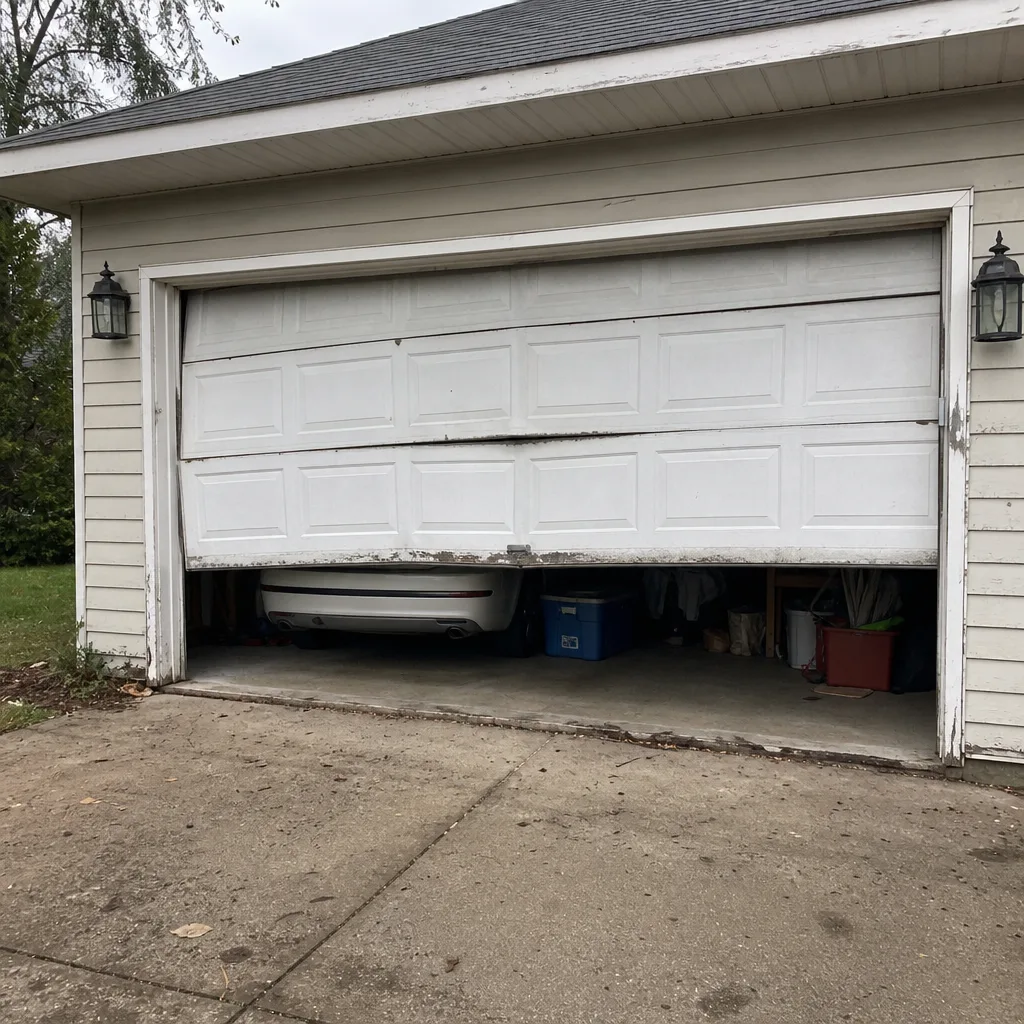 Before
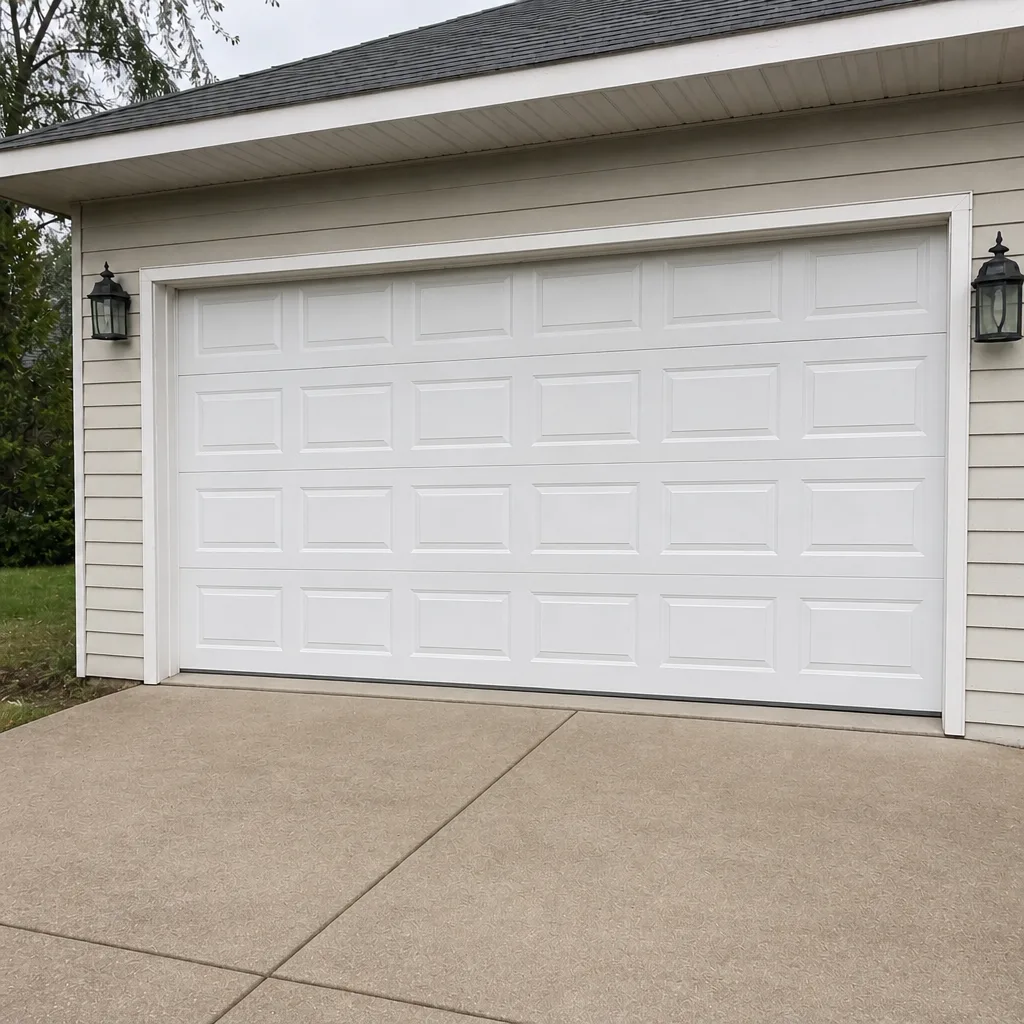 After
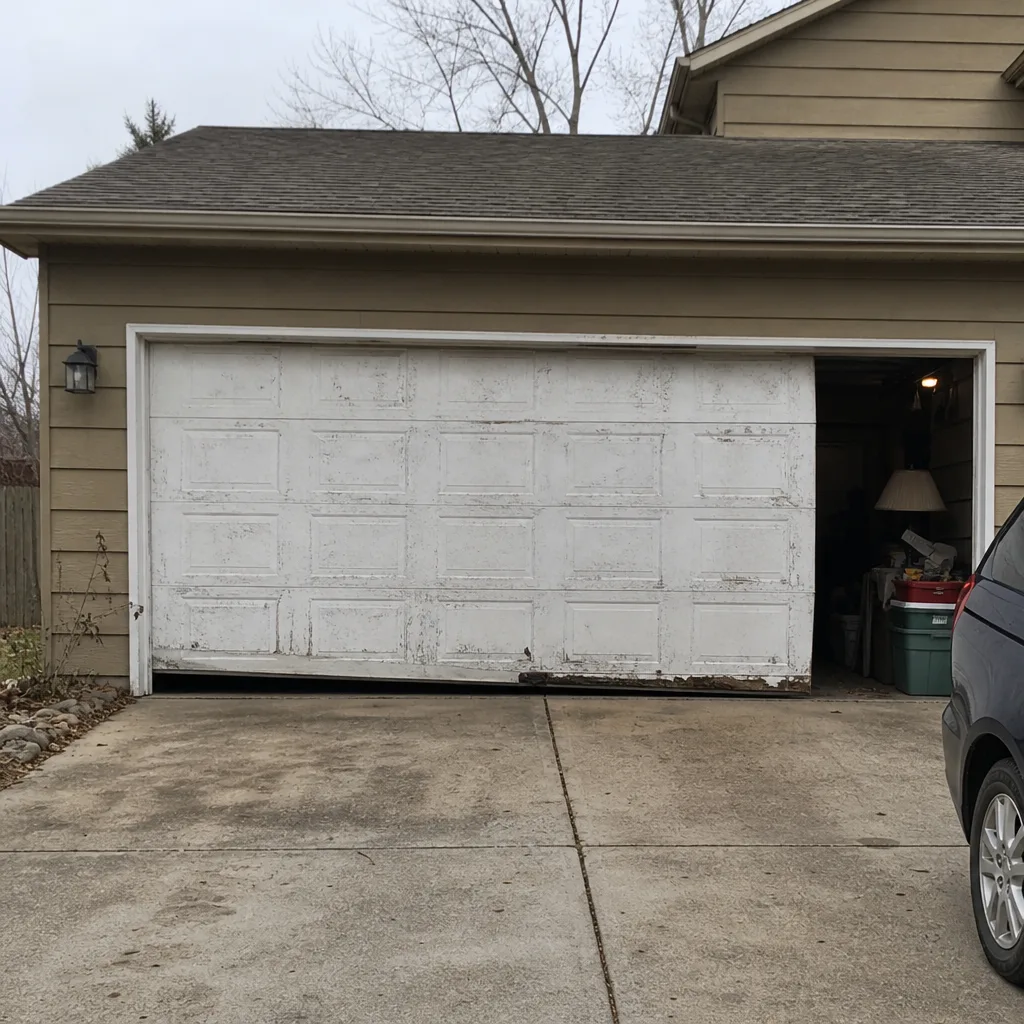 Before
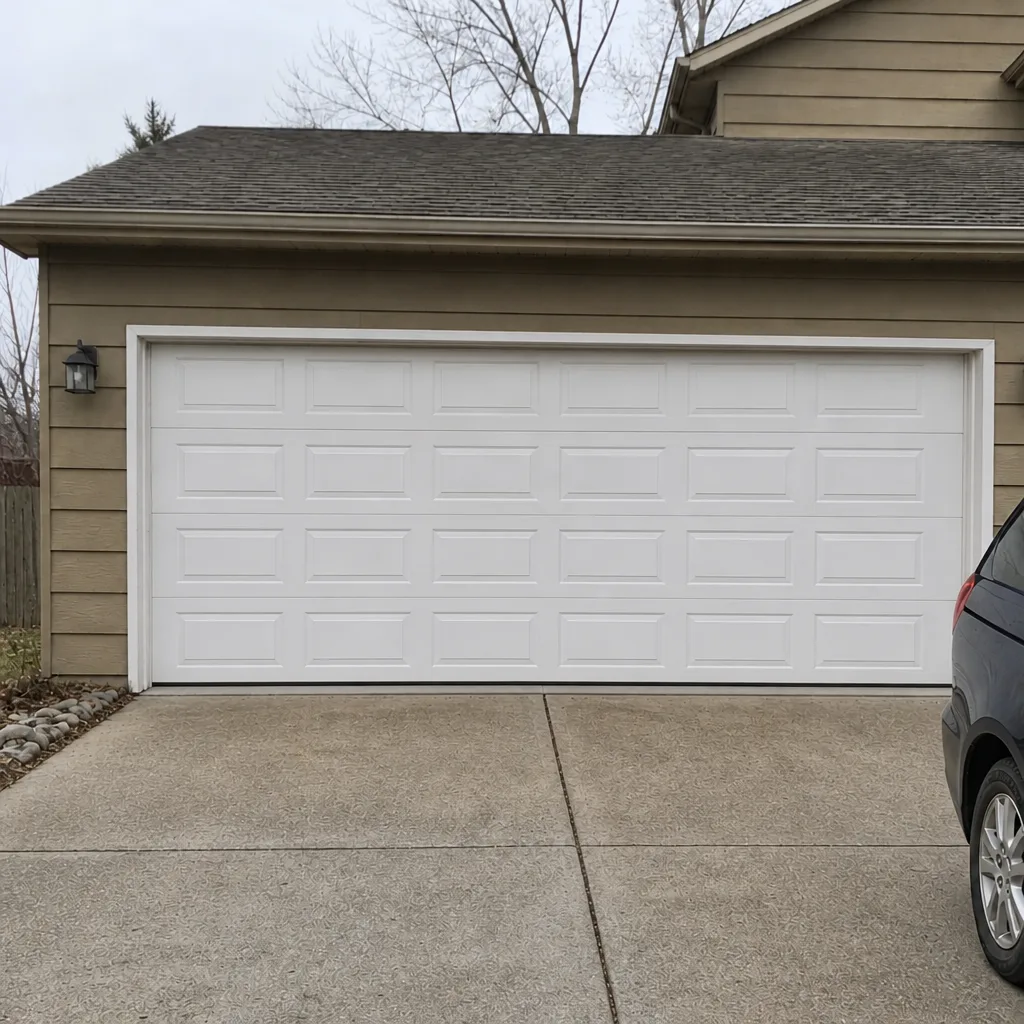 After
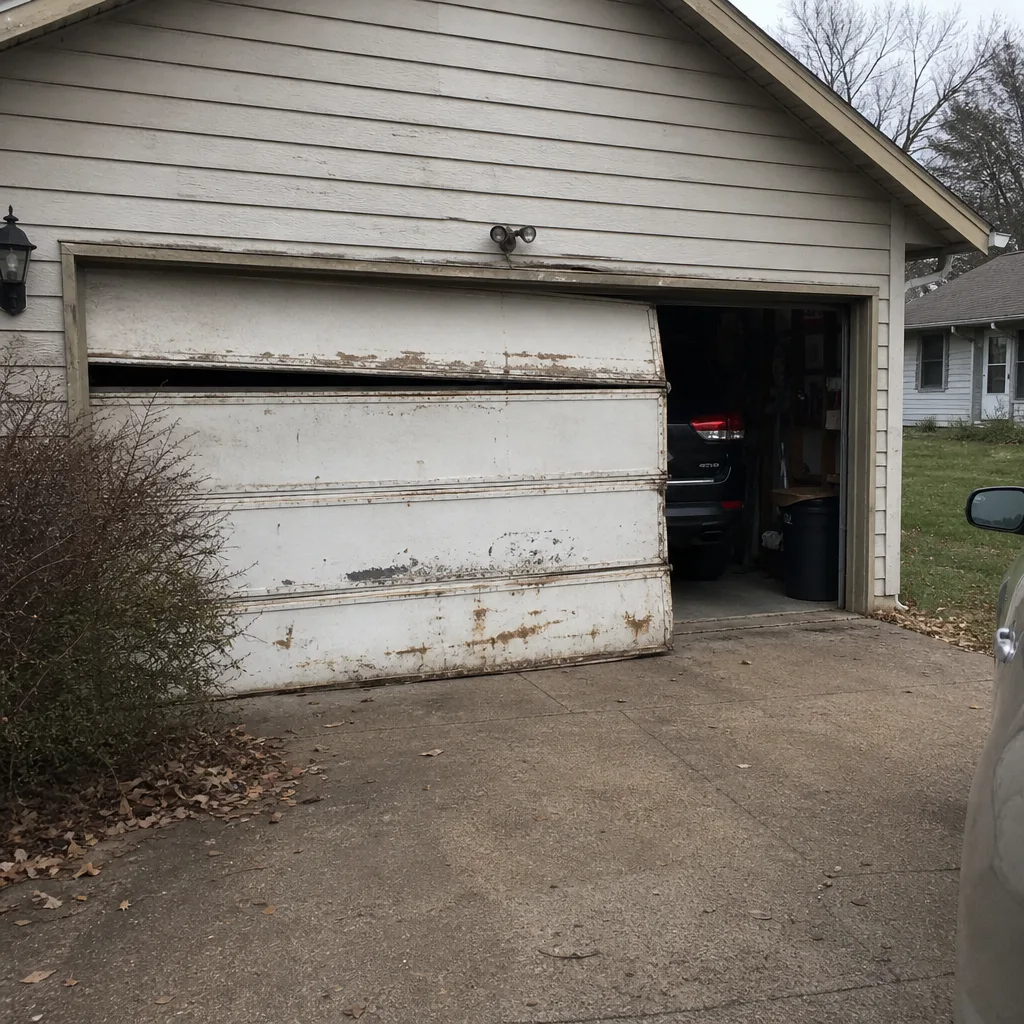 Before
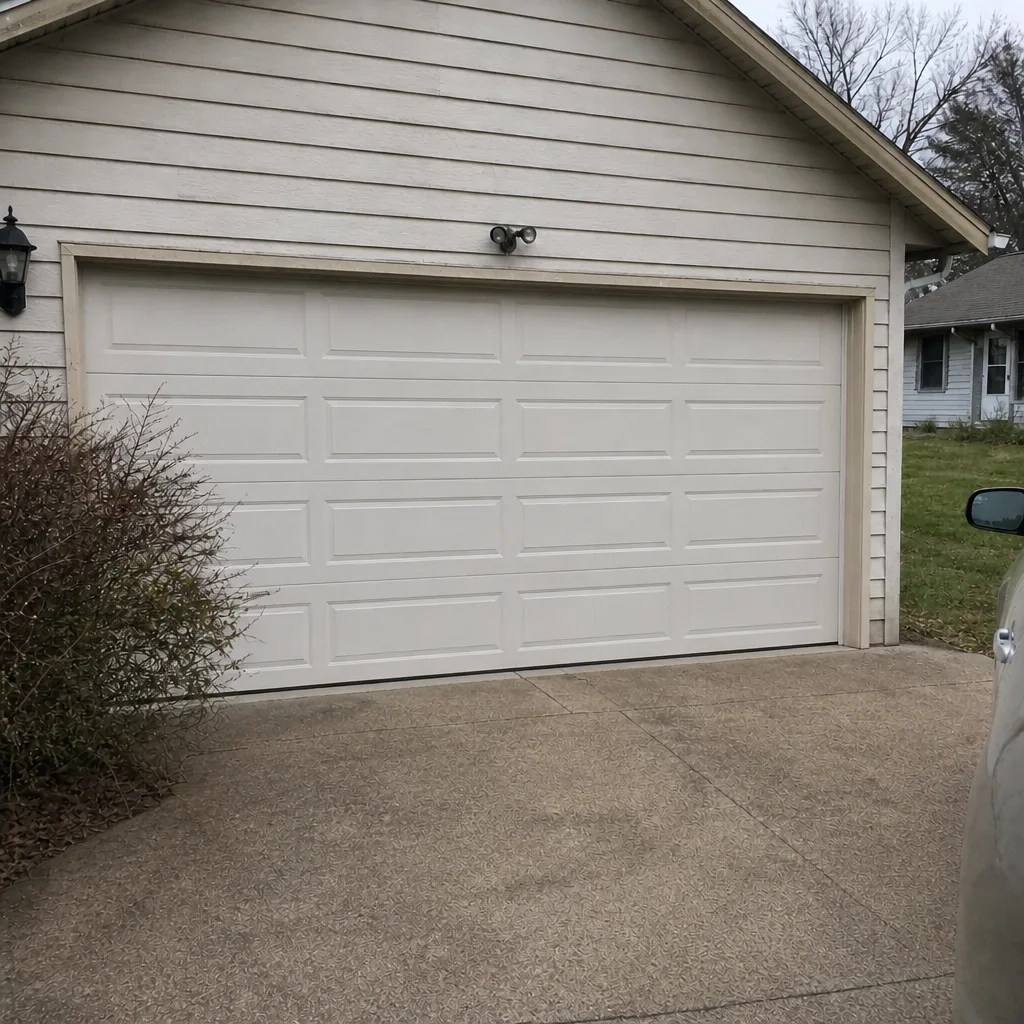 After
When to Call a Professional
Call a professional if any of the following match your door: it’s a hard-stop warning (snapped spring, crooked travel, loud bang followed by a heavy door), it’s a persistent safety sensor issue you can’t correct with a clean and alignment, the door feels significantly heavier than it used to, you see visible separation at a panel joint, or the opener runs without moving the door. These are the situations where a quick look keeps a small repair small. Our technicians have up to 9 years of experience diagnosing exactly these symptoms, and we work on LiftMaster, Chamberlain, Genie, Clopay, Amarr, Wayne Dalton, Craftsman, and Raynor hardware. Garage Door Repair Plymouth offers free estimates in Plymouth – call (866) 937-8168. We answer 24/7. Fast dispatch from 7am to 7pm, Sunday through Friday. The price is quoted and agreed before any work starts, and the written estimate sets the final price.
Frequently Asked Questions
A snapped or stretched torsion spring, a door that comes down crooked, and a loud bang followed by a door that won’t lift are the three signs that mean stop using the door immediately. Each one indicates the door is unsupported or operating unevenly, which strains or damages the rest of the system. Call for service before cycling the door again. (866) 937-8168 – estimates are free.
Yes, it’s usually a safety sensor issue. The sensors near the floor shoot an invisible beam across the opening, and when that beam breaks, the door reverses. Misalignment, dirty lenses, and low-angle winter sun are the most common causes. Clean the lenses and check that the two sensor eyes face each other, then call if the door still reverses. (866) 937-8168.
A door that feels heavier to lift, a door that doesn’t stay halfway up when you let go, and visible gaps or stretching in the spring coils are the signs a spring is losing tension. Springs are rated in cycles, not years, so a spring midway through its rated life can still show early warning. Call for an inspection before the bang. (866) 937-8168.
The opener is running but the door isn’t lifting, which usually means a stripped drive gear inside the opener, a disconnected trolley, or a broken spring the opener can’t lift. Stop using the opener and get it inspected before it does further damage. (866) 937-8168.
Freeze-thaw cycles, road grit, and low-angle sun each attack a different part of the system. Frost heaves shift the tracks, grit clouds the sensor lenses, and the low winter sun can blind the receiving sensor. A door that works fine in spring and complains in January is usually a Plymouth-weather problem, not a mechanical new failure. (866) 937-8168.
No. Torsion springs are under extreme tension and require specific tools and training to handle safely. A spring that releases unexpectedly can cause serious injury. This is the one part of a garage door system that a homeowner should not attempt, and it’s why spring repair is a dedicated specialty. (866) 937-8168.
The Bottom Line
Most garage door failures announce themselves well before they happen. The key is sorting the cosmetic from the structural and the “watch it” from the “stop using it.” A grinding noise is rarely urgent; a loud bang and a heavy door is. A door that reverses in the sun is a sensor issue; a door that comes down crooked is a stop-using-it issue. Document what you see, know the brand on your door, and catch the weight change before it becomes a spring replacement. If you’re in Plymouth and you’re not sure which tier your door falls into, a quick call sorts it out. Call (866) 937-8168 for a free estimate. We answer 24/7. Fast dispatch from 7am to 7pm, Sunday through Friday, and the price is quoted and agreed before any work starts.
Written by the team at Garage Door Repair Plymouth.