
Last updated November 21, 2026
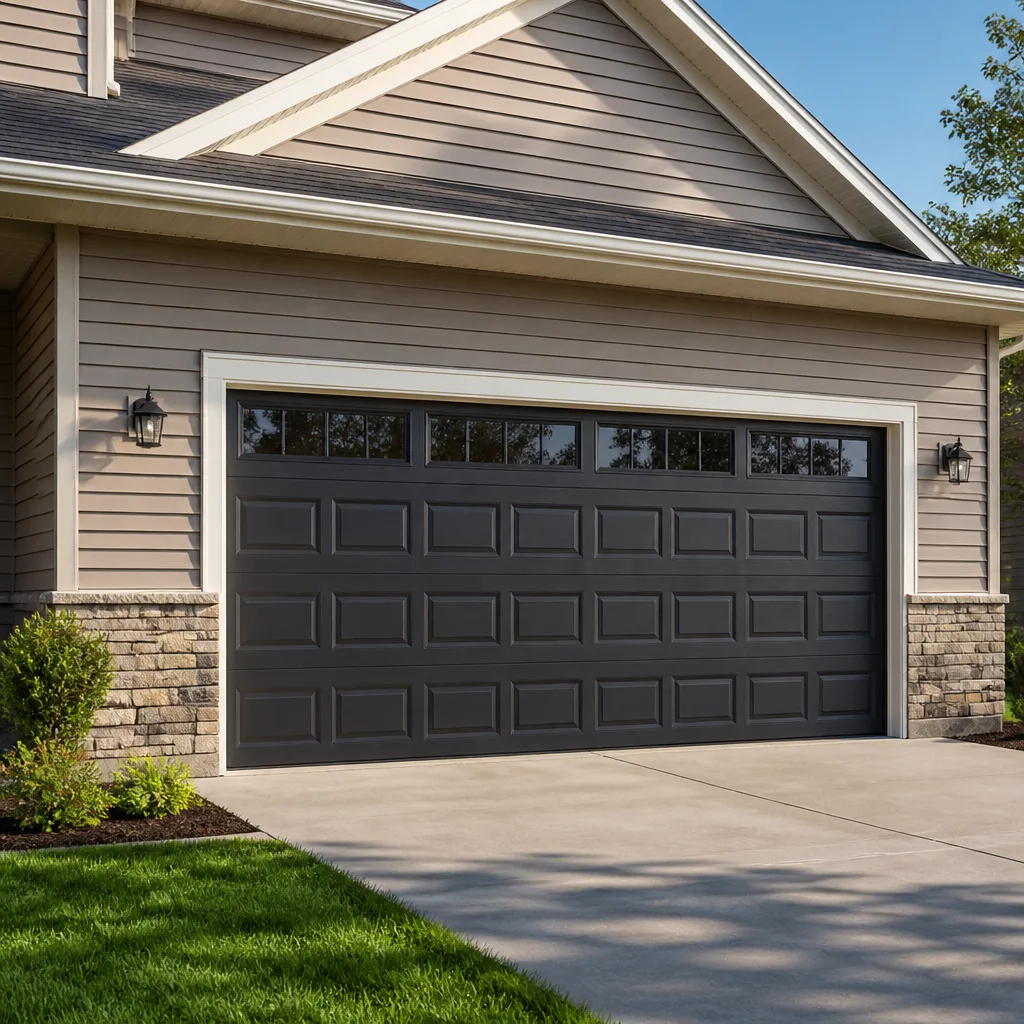 Raised-panel steel
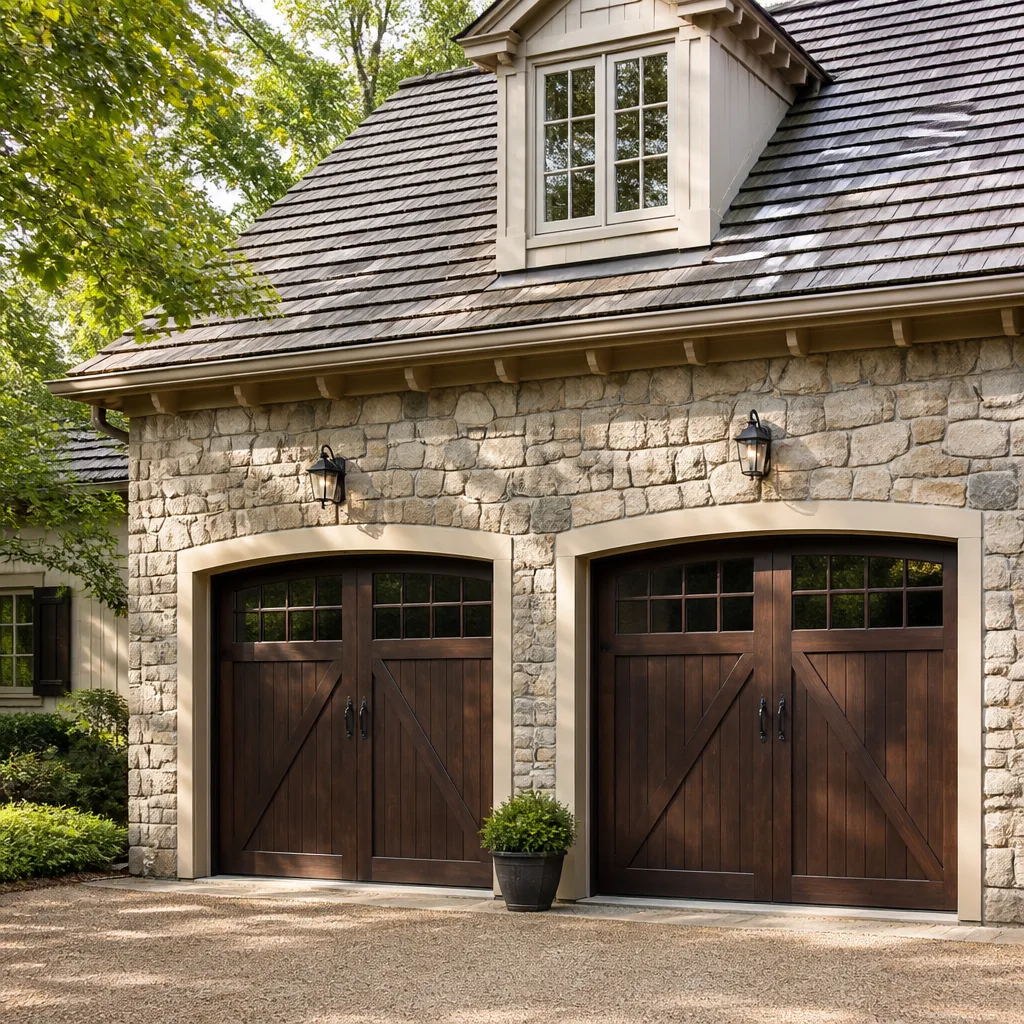 Carriage house
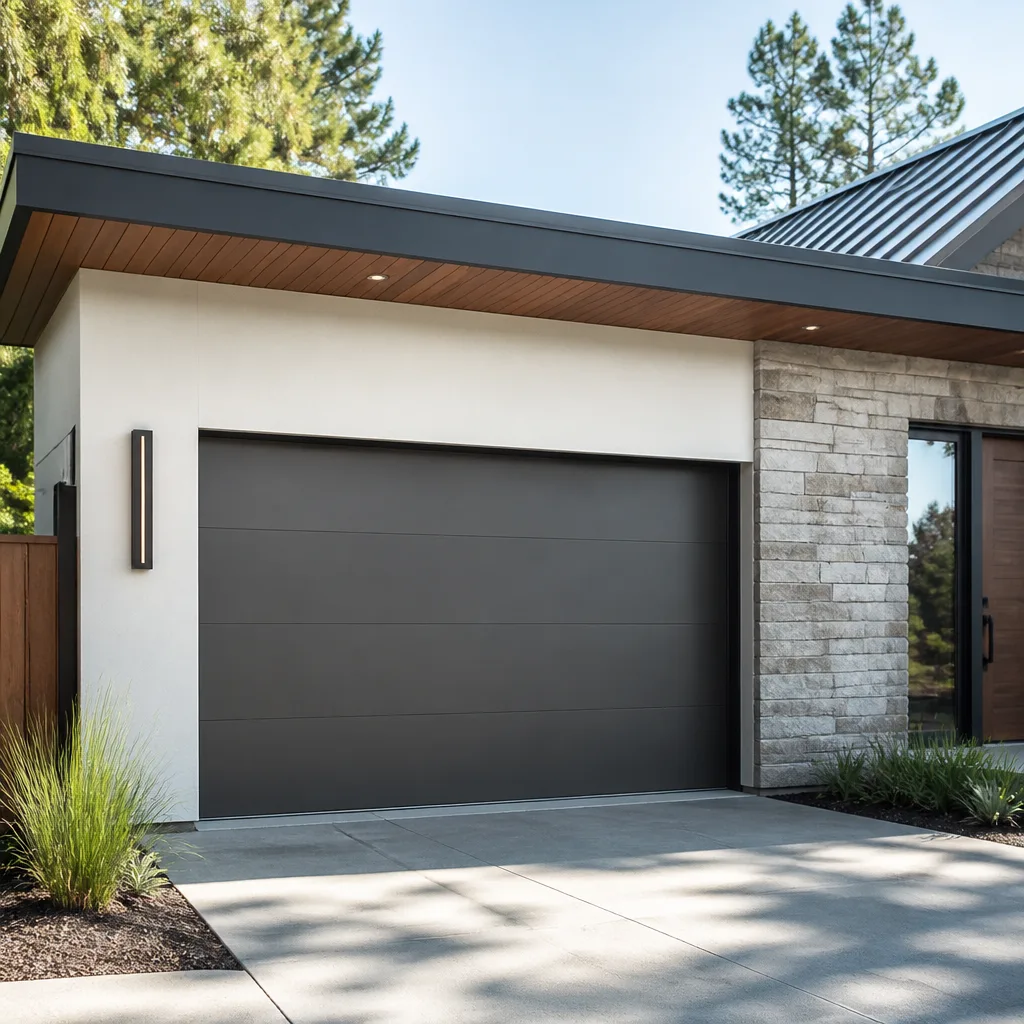 Modern flush
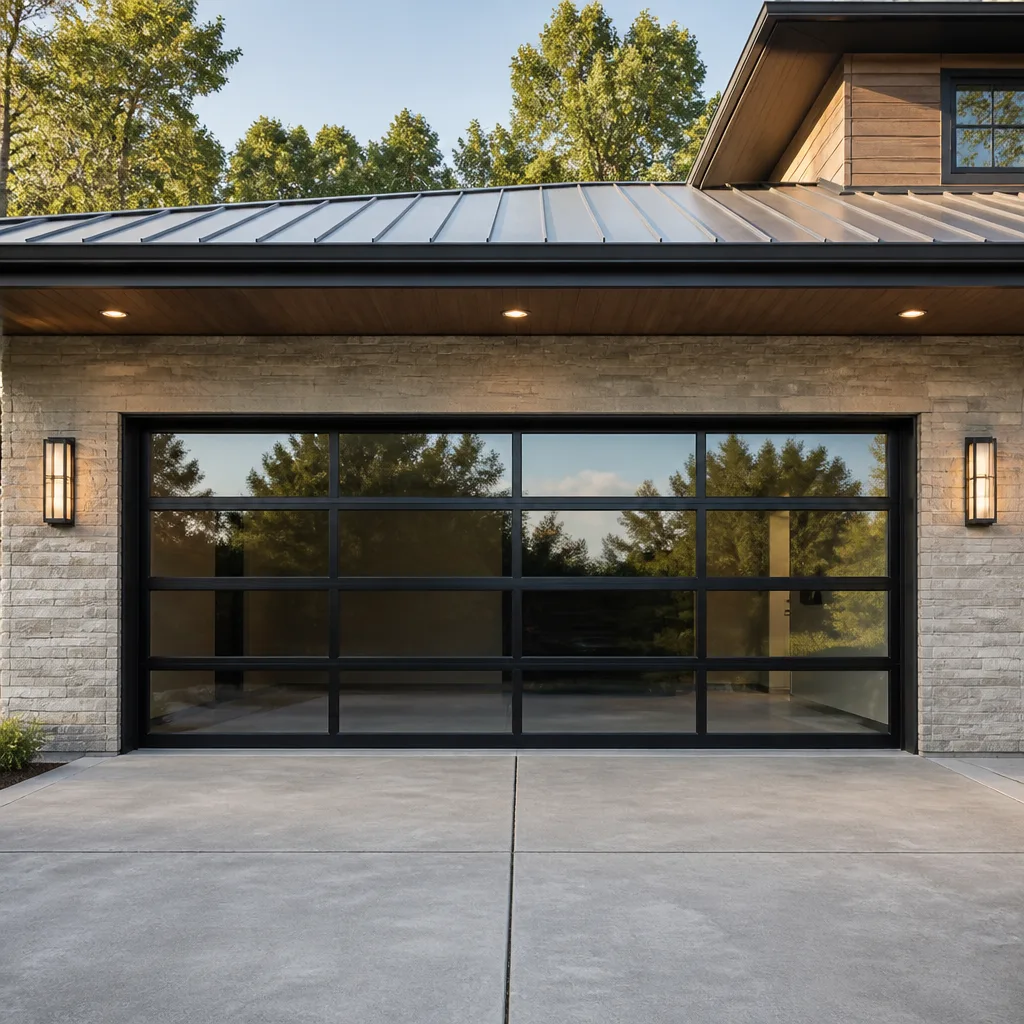 Full-view glass
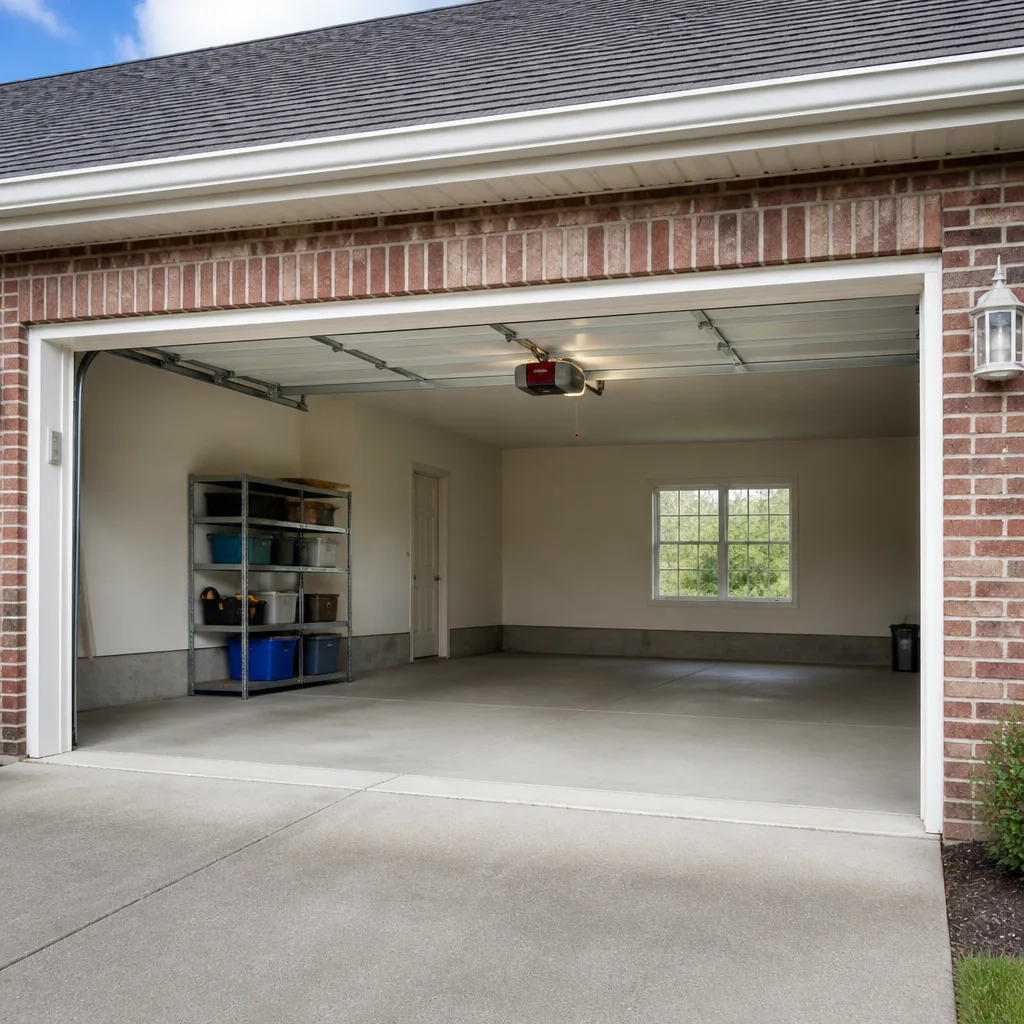 LiftMaster openers
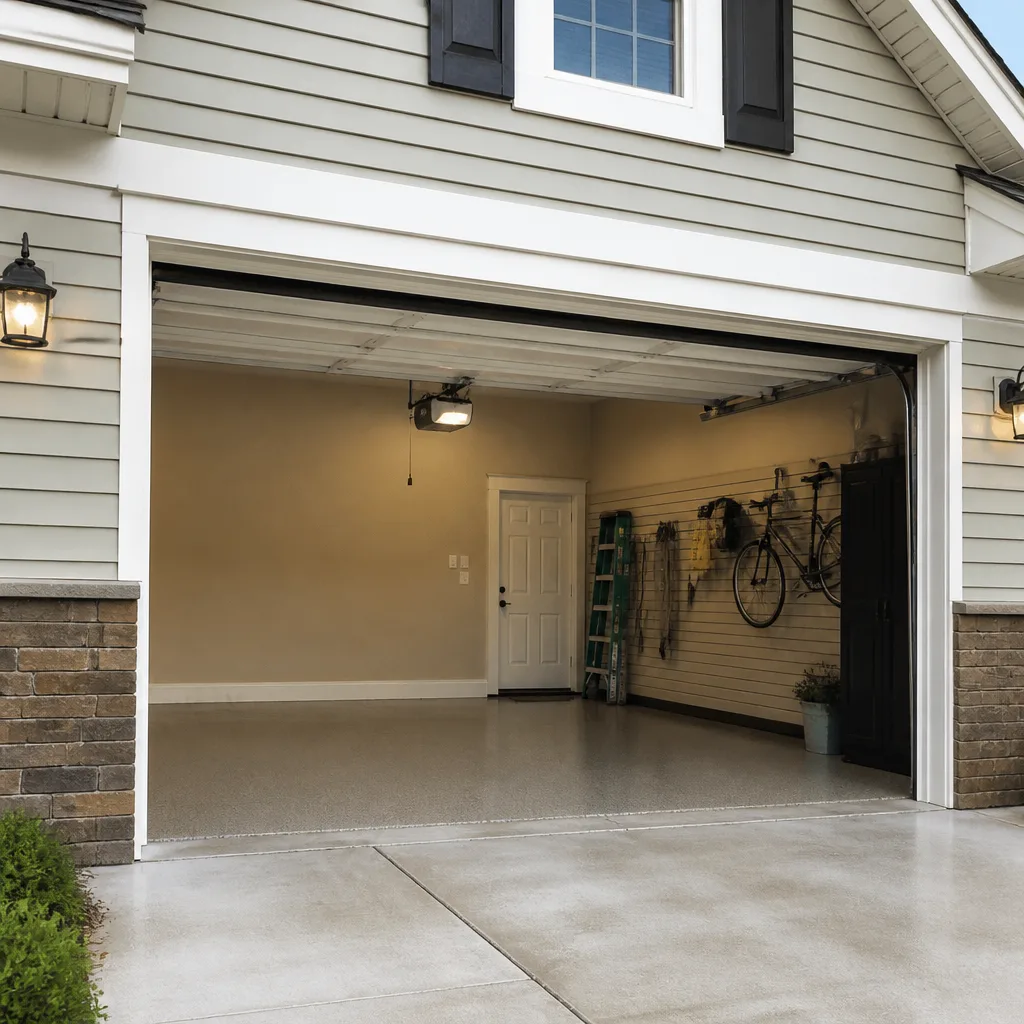 Chamberlain openers
Full 25-point door and opener safety check with every visit - springs, cables, rollers, tracks, and your LiftMaster or Chamberlain opener included
You get a price before we start. It does not change when the pro arrives.
Get your free estimateGarage Door Permits, Codes & Inspections in Plymouth, MN: What You Need to Know
Here’s the part that surprises most Plymouth homeowners: a garage door replacement can pass every visual check on the day it’s installed and still become a problem years later, when you go to sell. The reason isn’t the door itself. It’s what happens around the door – the structural header above it and the electrical work feeding the opener. Installers routinely modify both while swapping a door, and they don’t always pull a permit to do it. In this guide, we’ll walk through exactly when Plymouth requires a permit for garage door work, when it doesn’t, which parts of the Minnesota State Building Code actually apply, how a shortcut shows up on a home inspection, and who’s legally on the hook for pulling the permit. If you’re planning work on a garage in Plymouth, this is the paperwork side of the job that nobody explains until it’s too late.
Quick Answer
In Plymouth, MN, a straight like-for-like garage door replacement usually doesn’t require a building permit, but work that alters the structural header, changes the door’s size or opening, or adds or modifies opener wiring generally does. Springs, cables, rollers, and tracks are maintenance and repair items and fall outside the permit process. The fastest way to confirm your specific job is to call Plymouth’s building department directly and describe what’s changing – not just that a door is being replaced.
Styles & brands we work with
- Raised-panel steel
- Carriage house
- Modern flush
- Full-view glass
- LiftMaster openers
- Chamberlain openers
Table of Contents
- When Does Plymouth Require a Permit for Garage Door Work?
- The Exemption: What Counts as a Like-for-Like Swap?
- Which Parts of the Minnesota State Building Code Apply?
- Header Modifications: The Quiet Code Problem
- How a Non-Permitted Job Shows Up on a Home Inspection
- Who Pulls the Permit – You or the Contractor?
- Openers, Safety Reversers, and What Inspectors Actually Check
- What the Permit Process Looks Like, Step by Step
When Does Plymouth Require a Permit for Garage Door Work?
Plymouth requires a building permit when garage door work changes the structure or the building’s electrical system. It generally does not require one when the work is a direct replacement of a door with the same size door in the same opening, or when it’s a repair to moving parts.
The confusion comes from how people describe the job. “I’m getting a new garage door” can mean two very different things in the permit office’s eyes. If the new door slides into the existing opening with the same dimensions and the existing track and header stay untouched, that’s a swap. If the opening gets wider, taller, or the header is cut, sistered, or reframed to fit a different door, that’s structural work – and structural work needs a permit.
Here’s how Plymouth’s permit office typically draws the line:
- Permit generally required: widening or heightening the rough opening, modifying or replacing the structural header above the door, reframing the opening, installing a new electrical circuit or outlet for the opener, converting a manual door to an automatic one where new wiring is needed, or replacing a door with a different size or weight class that requires new track and reinforcement.
- Permit generally not required: replacing a door with an identical-size unit in the existing opening, replacing springs, cables, rollers, hinges, or bottom seals, replacing a drum or a torsion tube, replacing a panel, or like-for-like opener replacement using an existing outlet and circuit.
One practical note: Plymouth is a large city, and the housing stock across neighborhoods like Medicine Lake, Bass Lake, and the areas near French Regional Park includes homes from several different building eras. A 1970s split-level and a newer build in a development off Vicksburg Lane can have very different header construction. That’s why the permit question has to be answered for your specific door, not for the category of “garage door work” in general. When in doubt, call Plymouth’s building department and describe the change in structural terms. It’s a five-minute call that prevents a much bigger headache later.
If you’re still deciding what work your door needs, our guide to garage door repair covers the diagnostic side before you get to the paperwork.
The Exemption: What Counts as a Like-for-Like Swap?
A like-for-like swap is a replacement where the new door matches the old one in size, opening dimensions, mounting, and operation, and where no structural or electrical work is involved. In Plymouth, that’s the category most door replacements fall into, and it’s usually exempt from a building permit.
The word “usually” is doing real work there. The permit office looks at four things to decide whether your job is truly like-for-like:
- Opening dimensions. Same width, same height, same distance from floor to header. Any change means the opening itself is being worked on.
- Header condition. If the existing header stays in place untouched, you’re clear. If it’s being repaired, reinforced, or replaced because the new door is heavier, that’s structural.
- Electrical scope. Reusing the existing opener outlet and circuit is one thing. Running a new circuit or adding an outlet is another, and that typically pulls in electrical permit requirements.
- Door type and weight. Swapping a lightweight steel door for a heavier insulated model – common when homeowners upgrade to a Clopay or Amarr insulated door for Minnesota winters – can require reinforcement of the existing track and hardware. If reinforcement touches the framing, ask about permits.
Plymouth’s winters matter here in a practical way. Insulated doors are popular because they cut heat loss from the attached garage, but the upgrade is heavier. That’s not a permit issue by itself. It becomes one if the added weight means structural changes to how the door is hung.
When we quote a replacement, we tell homeowners which category their job falls into before the estimate is written. If your project is a genuine like-for-like swap, the quote stays simple. If it’s not, you’ll know before anyone orders a door. Either way, the price is quoted and agreed before any work starts – no surprises after the door is on the truck.
Which Parts of the Minnesota State Building Code Apply?
Garage door work in Plymouth is governed by the Minnesota State Building Code, which incorporates the International Residential Code with Minnesota amendments. The code touches garage doors in three main places: structural framing around the opening, fire separation between the garage and the house, and the electrical and safety requirements for automatic openers.
Here’s where each one applies:
- Structural framing. The header above a garage door is a load-bearing beam carrying the weight of the wall above it. Any change to it – cutting, notching, sistering, or replacing – is structural work and falls under the building code’s framing provisions. This is the number one trigger for a permit on garage door jobs in Plymouth.
- Fire separation. Where an attached garage shares a wall or ceiling with living space, the code requires a fire-rated separation between the two. Garage doors themselves aren’t typically the fire-rated component, but if a project touches the wall or ceiling between the garage and the house, that separation matters. If your garage shares a wall with a bedroom or hallway, ask specifically about fire separation before any framing work begins.
- Electrical and safety. Automatic garage door openers are addressed through the electrical code and safety standards. Openers installed today need a functioning safety reversal system – the mechanism that stops and reverses the door when it meets an obstruction – and the photo-eye sensors at the bottom of the tracks. These are required on new installations and are checked on home inspections.
- Springs and mechanical parts. Torsion and extension springs, cables, drums, and rollers are mechanical components of the door system, not structural or electrical work, so they aren’t part of the permit process. They are, however, the most dangerous parts of the system to work on.
We work with springs every week. High-tension torsion springs store enough force to cause serious injury if they’re released without the right tools and technique, and the winding process is not a homeowner job. If a spring is broken, that’s a call to a trained technician, not a weekend project. Our garage door spring repair service exists as a named specialty for exactly that reason – the tools and the knowledge are specific to the task.
For anything involving the electrical side, the same principle applies. Opener wiring, new circuits, and panel connections belong with someone qualified to work on them. We handle opener diagnosis and repair across LiftMaster, Chamberlain, Genie, and Craftsman systems, but we’re clear-eyed about where our scope ends and a licensed electrician’s begins. If your job needs a new circuit, we’ll tell you.
Header Modifications: The Quiet Code Problem
A header modification is the most common unpermitted garage door change we encounter, and it’s also the one most likely to come back years later. The reason is simple: header work is invisible once it’s done. A new door hanging in a widened opening looks identical to a code-compliant one.
Here’s what usually happens. A homeowner wants a wider door, or a taller one to fit an SUV or a boat. The installer cuts back the rough opening, reworks the header, and hangs the new door. The door works. The garage looks great. Nobody pulls a permit because the work is described as “door replacement.” Years later, when the house goes on the market, a home inspector looks up at the header and sees something that doesn’t match what the framing should look like – a sistered beam with no engineering, a cut joist, a header that’s undersized for the span. The report flags it, the buyer’s agent asks for documentation, and there’s no permit record to produce.
What follows is a remediation chain, and it’s expensive:
- The seller has to get a structural engineer or a licensed contractor to evaluate the header and confirm whether it’s adequate.
- If it’s not, the header has to be corrected – which usually means removing the door, rebuilding the framing, and reinstalling.
- The work then requires a permit after the fact, an inspection, and possibly a certificate of occupancy or a formal sign-off before closing.
- In some cases the deal is delayed or renegotiated, and the seller pays for work that was done once already.
The honest math: a permitted header modification costs a permit fee and an inspection. An unpermitted one costs a structural evaluation, a rebuild, a retroactive permit, and the delay on a sale. The permit isn’t the expensive part.
Plymouth’s permit office is reachable and answers questions. If you’re considering any change to the opening size, call them before you call an installer. If you’d like help understanding what your specific project involves, our Garage Door Repair Plymouth team can walk through the structure of your opening with you.
How a Non-Permitted Job Shows Up on a Home Inspection
A non-permitted garage door job typically surfaces on a home inspection in one of three places: the header and framing, the electrical work for the opener, or the safety features of the door system. Inspectors aren’t code enforcers, but they’re trained to spot work that looks newer than the house and doesn’t have a paper trail.
What they look for:
- Framing inconsistencies. A header that’s been cut, sistered, or reinforced with hardware that doesn’t match the rest of the house. Fresh lumber in an older garage is a flag. So is a header with no visible bearing on one side.
- Electrical red flags. An opener plugged into an extension cord running across the ceiling, a junction box that’s open, wiring that’s stapled haphazardly, or a new outlet with no visible source. These suggest work that wasn’t inspected.
- Safety reversal failure. The inspector will test whether the door reverses when it meets an obstruction and whether the photo-eye sensors work. A door that fails this test gets flagged immediately, regardless of permits.
- Missing permit records. In Plymouth, permit history is searchable, and buyers’ agents increasingly pull it. A recent garage door replacement with no permit on file raises the question of whether structural work was done.
- Spring and cable condition. Inspectors note the type and condition of springs, especially if they look newer than the door. That alone isn’t a problem – springs are maintenance items – but it can prompt questions about what else was touched.
None of these guarantees a failed sale. But each one gives a buyer leverage, and leverage costs the seller money. The cure is simple: when work is done that requires a permit, pull the permit, get it inspected, and keep the paperwork with the house records.
For openers specifically, the safety reversal and photo-eye check is the item that comes up most often. If you’re not sure your opener’s safety system works, that’s worth testing this week. Our garage door opener repair service includes checking these systems on every visit.
Who Pulls the Permit – You or the Contractor?
In Plymouth, the permit can be pulled by either the homeowner or the contractor doing the work, but the responsibility for making sure a permit exists belongs to the property owner. That distinction matters more than most people realize.
Here’s the breakdown:
- The homeowner is ultimately responsible. The city issues permits against the property, not the person. If work requiring a permit is done without one, the homeowner is the one the city comes back to, even if a contractor did the work.
- The contractor is usually the better choice to pull it. A contractor who pulls the permit is in the record as the responsible party for the work. That’s cleaner for everyone – and it’s a sign of a contractor who expects the work to be inspected.
- Warranty and liability follow the permit. If a contractor pulls a permit and the work passes inspection, there’s a record tying that contractor to that work. If a permit was never pulled, an insurance claim or a warranty dispute can get complicated, because there’s no documentation that the work was done to code.
- Resale is the moment it surfaces. A seller has to disclose known unpermitted work in Minnesota. A permit record is the simplest way to answer that question honestly and completely.
When we connect you with a local installer through Garage Door Repair Plymouth, ask upfront who’s pulling the permit if your job needs one. The answer should be clear before any work is scheduled. If a contractor waves off the permit question on a job that modifies structure or electrical, that’s a signal worth taking seriously.
It also helps to know that a permit isn’t a sign the work is complicated. It’s a sign the work is being done in the open. For a straightforward structural change, the permit and inspection process is routine. For a homeowner, it means the work is documented. For a buyer, it means the house isn’t hiding anything.
Openers, Safety Reversers, and What Inspectors Actually Check
Garage door openers don’t require a building permit for a like-for-like replacement, but they do fall under electrical work when new wiring is involved, and they’re subject to the safety requirements that home inspectors check. The line to remember: reusing an existing outlet and circuit is one thing, running a new circuit is another.
What inspectors and code officials care about with openers:
- The safety reversal system. The opener should reverse the door when it meets an obstruction. If it doesn’t, that’s a defect, and it can be corrected on many openers by adjusting the force settings – or it may mean the opener needs service or replacement.
- Photo-eye sensors. The sensors at the bottom of the tracks must be aligned and functioning. A door that closes with a blocked beam is a safety failure.
- Mounting and attachment. The opener’s rail and header bracket need to be securely attached. A loose bracket is both a safety issue and a sign the installation wasn’t checked.
- Electrical connections. The opener should plug into a properly installed outlet, not an extension cord strung across the ceiling. If a new outlet was added, that work should be on a permit.
- Emergency release. The manual release handle should be present and reachable, and the rope should hang at the correct height.
We service openers from LiftMaster, Chamberlain, and Genie systems most often, and the safety checks are the same regardless of brand. Testing is quick: put a box or a piece of lumber in the door’s path and see if it reverses on contact, then wave an object through the photo-eye beam while the door closes. Both should stop the door. If either fails, stop using the door and get the opener serviced.
For homeowners in Plymouth with older openers, brand familiarity matters on the repair side. Chamberlain and LiftMaster share a lot of engineering, and Genie has its own logic board and force adjustment routines. A technician who knows the brand doesn’t have to learn your opener on the job. That’s why we focus on the brands we know and don’t stretch beyond them.
What the Permit Process Looks Like, Step by Step
For a Plymouth garage door job that does require a permit, the process is straightforward, and it usually follows five steps. The sequence matters, because a permit needs to be issued before work starts, not after.
- Confirm whether the job needs a permit. Call Plymouth’s building department and describe the work in structural and electrical terms. If you’re not sure how to describe it, ask the contractor to explain the scope in a way you can relay.
- Decide who pulls it. For a contractor-led job, the installer usually pulls the permit and is listed on it. For a homeowner-led job – common when the homeowner is coordinating multiple trades – the homeowner pulls it.
- Submit the application. Plymouth’s permit office will tell you what’s needed. For structural work, that may include a simple framing detail or a description of the header change. For electrical work, it may need a separate electrical permit.
- Get the permit issued before any work begins. This is the step that goes wrong. A contractor who starts work before the permit is issued is working without a permit, even if the application is in progress.
- Schedule the inspection. When the work is done, the inspection confirms the header, the framing, or the electrical work meets code. Keep the documentation with the house records – it’s the paper trail the next buyer will want to see.
A permit isn’t a penalty. It’s a record. For a garage door job in Plymouth, it’s the difference between a project that’s documented and one that raises a question at resale. If you’re planning a project and want to know which category you’re in before you start, we’re glad to walk through it with you. We specialize in garage doors only, so the conversation stays on your door, not on a list of unrelated trades.
One more thing on timing: this kind of work gets measured, ordered, and scheduled rather than rushed. That’s fine for a replacement, and it’s the right way to handle anything that needs a permit and an inspection.
Common Mistakes to Avoid
- Assuming every garage door replacement is exempt. A same-size door swap usually is. A different-size door with a modified header is not. The word “replacement” hides the distinction, so describe the scope precisely when you ask.
- Letting work start before the permit is issued. An application in progress isn’t a permit. If a contractor is hanging a door while the permit is still pending, the work is unpermitted until it’s issued.
- Underestimating what a header change involves. Cutting or reinforcing the structural header above a garage door is a framing change under the Minnesota State Building Code. It’s the single most common trigger for a permit on garage door work in Plymouth.
- Skipping the fire separation question. If your garage shares a wall or ceiling with living space, ask about the fire-rated separation before any framing work starts. It’s easier to address before the drywall goes back up.
- Adding an outlet or opener circuit without a permit. Reusing the existing outlet is fine. Running a new circuit for an opener is electrical work, and it should go on a permit and be inspected.
- Not testing the safety reversal after opener work. A door that doesn’t reverse on contact or responds to a blocked photo-eye is a safety defect, and it’s one of the first things a home inspector checks in Plymouth.
- Treating spring replacement as a DIY job. Springs, cables, and drums store enormous force. There’s no permit involved in spring work, but the safety risk is real and the tools are specialized.
- Losing the paperwork. Keep the permit, the inspection sign-off, and the contractor’s information with your house records. At resale, that folder answers a lot of questions.
See the difference
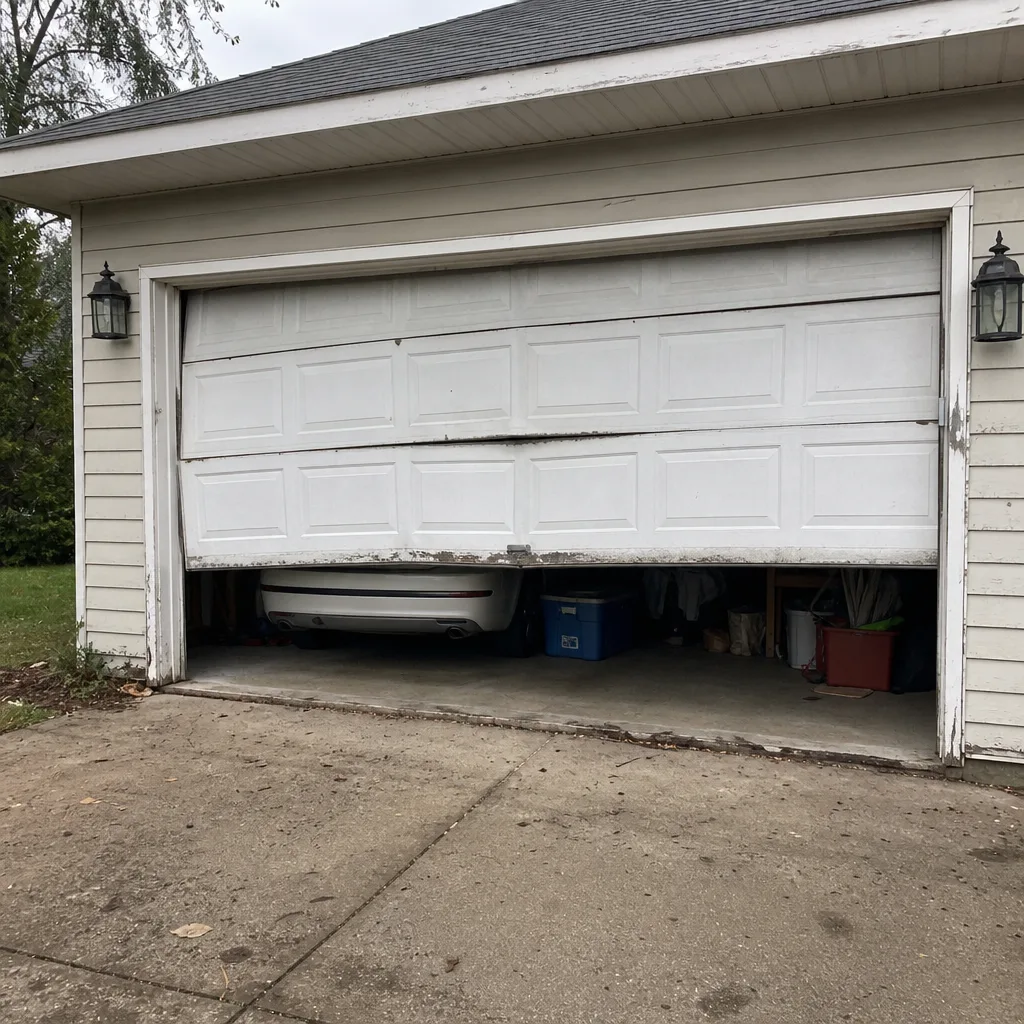 Before
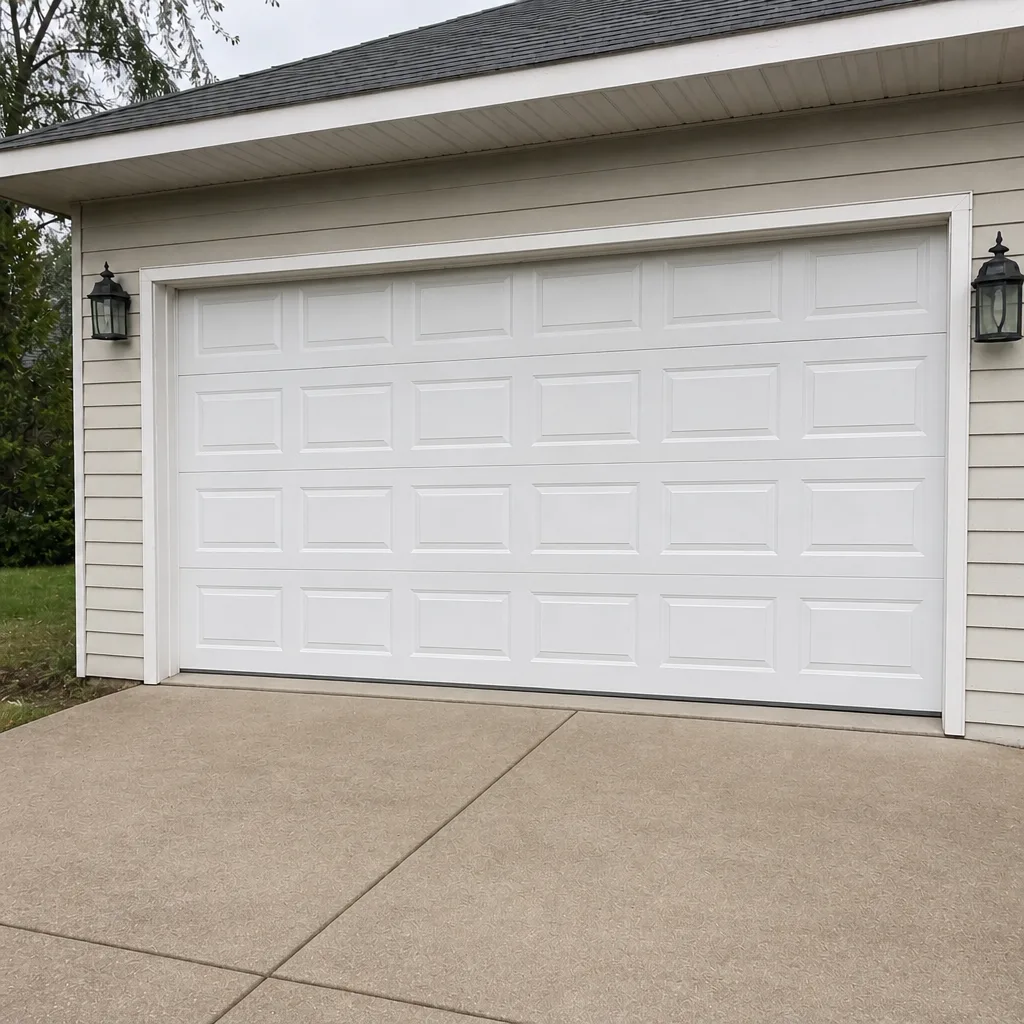 After
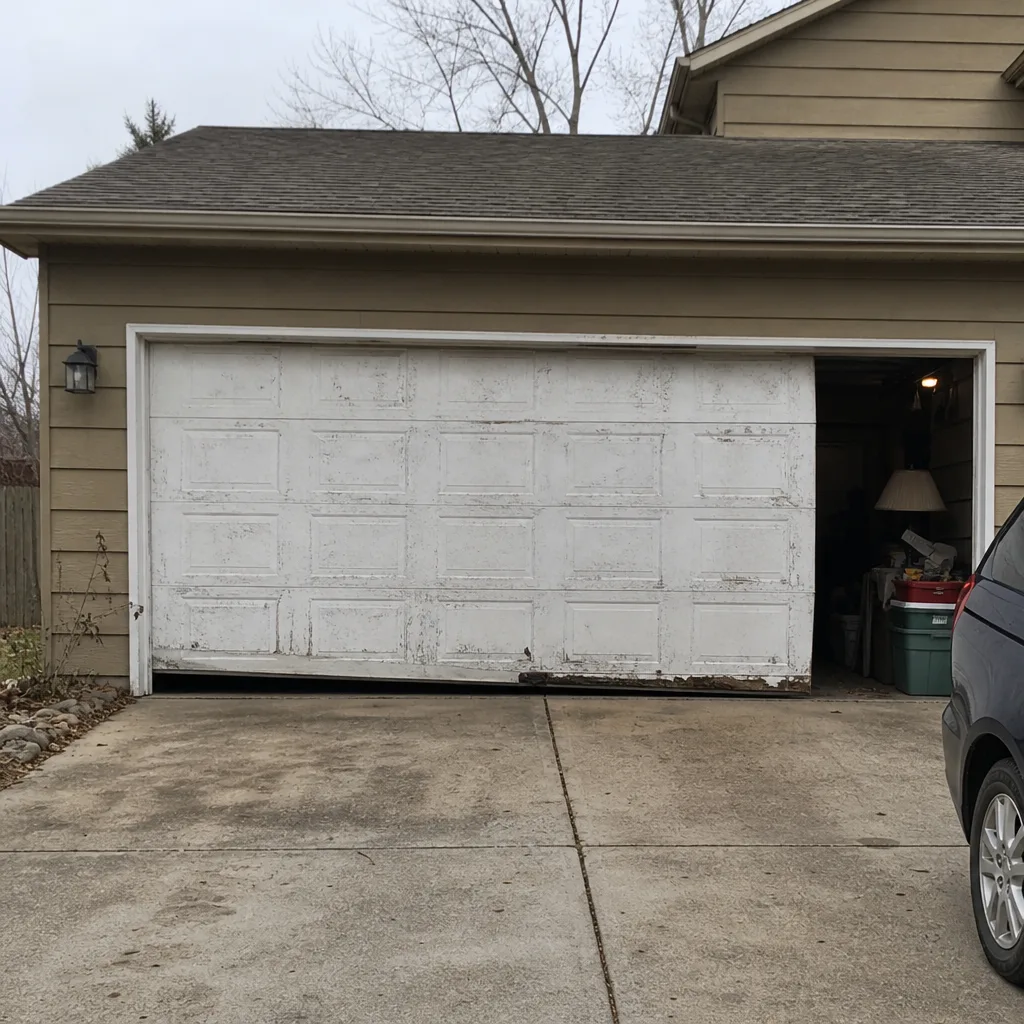 Before
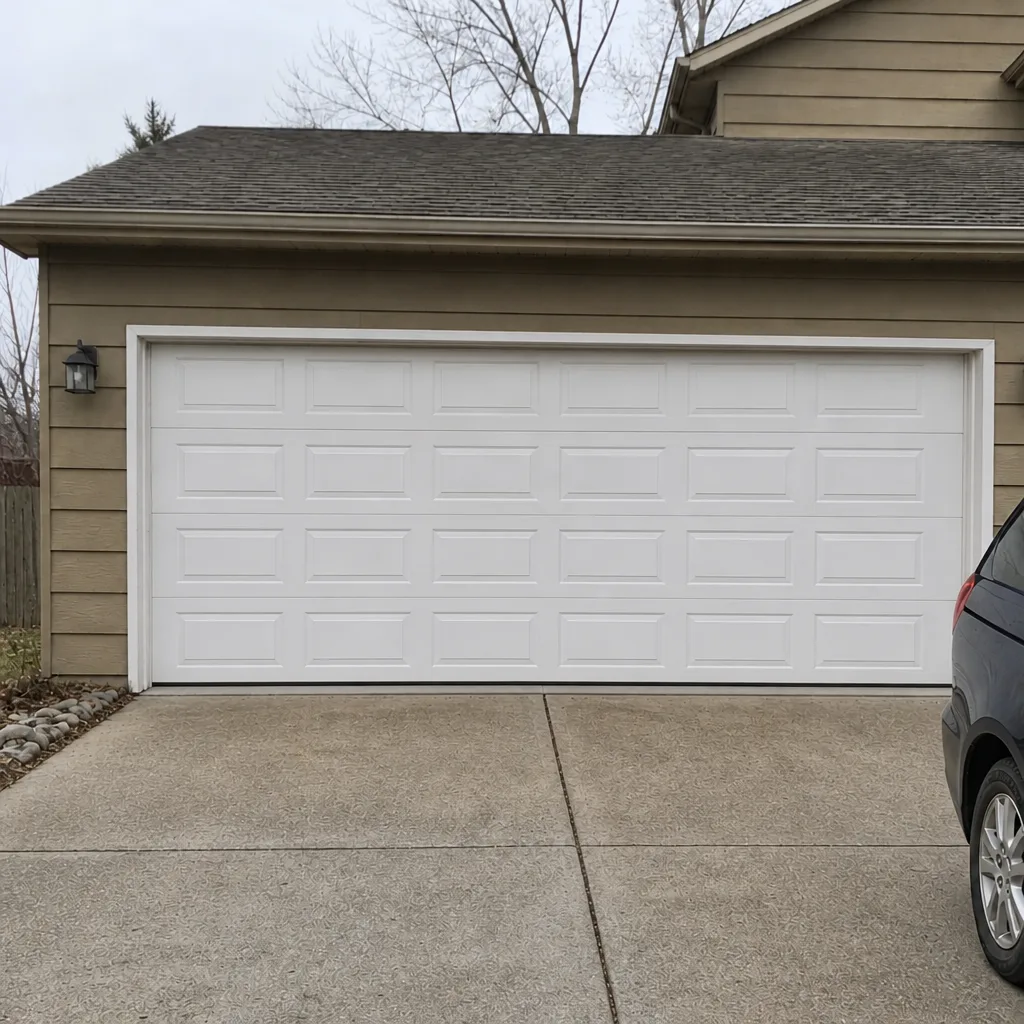 After
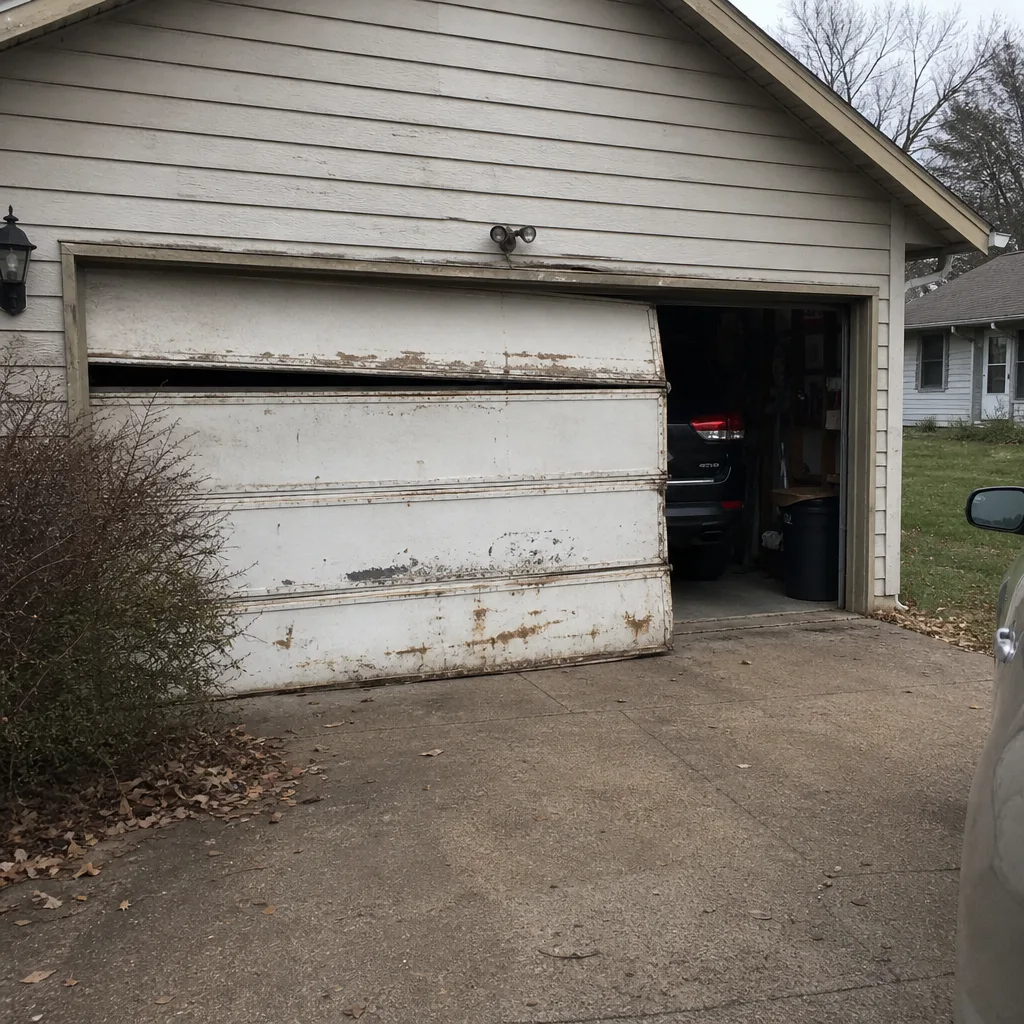 Before
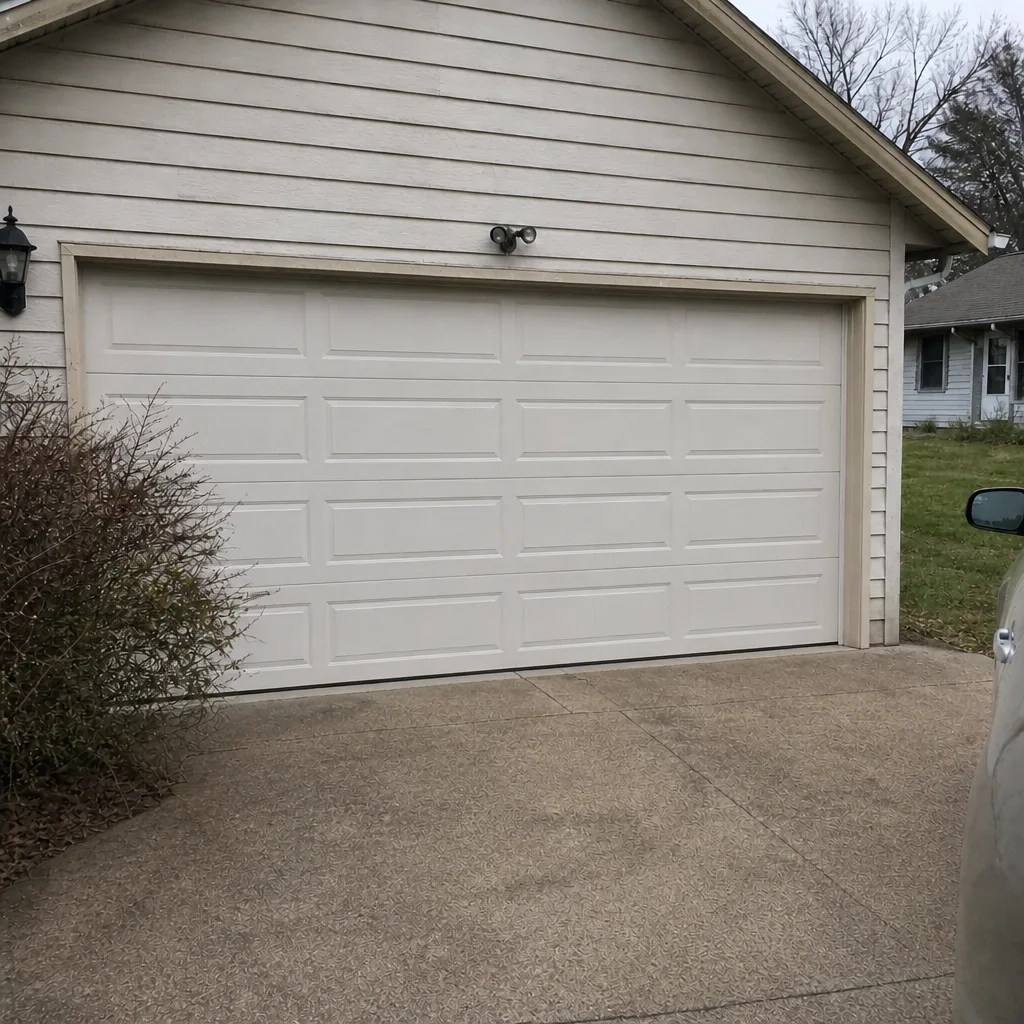 After
When to Call a Professional
Some garage door jobs are paperwork questions. Others are safety questions, and those don’t wait. Call a professional if any of these sound familiar: a broken spring, a door that’s hanging off its track, a cable that’s snapped or visibly frayed, an opener that won’t reverse when it hits an obstruction, or a door that’s come off its rollers and can’t be safely closed. Structural header work and any new electrical circuit also belong with a licensed professional, not a homeowner with a saw and a YouTube tab. If you’re planning a replacement and want a clear answer on whether your project needs a permit before you order a door, that’s a conversation worth having early.
Garage Door Repair Plymouth offers free estimates in Plymouth – call (866) 937-8168. We answer 24/7. Fast dispatch from 7am to 7pm, Sunday through Friday. Our technicians have up to 9 years of experience, and we work on your brand – LiftMaster, Chamberlain, Genie, Clopay, Amarr, Wayne Dalton, Craftsman, and Raynor. Same-day service is available for repairs that can’t wait, and the price is quoted and agreed before any work starts. If a call comes in outside dispatch hours, it gets booked into the next opening, Sunday through Friday, 7am to 7pm.
Frequently Asked Questions
Usually not – if it’s a like-for-like replacement with the same size door in the same opening and no structural or electrical changes. You do need a permit if the project changes the opening size, modifies the structural header, reframes the opening, or adds a new electrical circuit for the opener. Call Plymouth’s building department with the specific scope to confirm. Call (866) 937-8168 for a free estimate on the door side.
No. Springs, cables, rollers, and other mechanical parts are repair and maintenance items, not structural or electrical work, so they fall outside the permit process. That said, spring replacement is the most dangerous job in this trade – torsion springs are under high tension and can cause serious injury if released improperly. Call a trained technician rather than attempting it yourself. Call (866) 937-8168 for spring repair.
You can replace an opener with a like-for-like unit using the existing outlet and circuit without a building permit. If the new opener requires a new circuit, a new outlet, or other electrical work, that electrical work typically needs a permit and an inspection. Opener repairs across LiftMaster, Chamberlain, and Genie systems don’t involve permits at all. Call (866) 937-8168 for a free estimate.
It can. Plymouth has permit records, and buyers’ agents increasingly check them. If structural work was done without a permit, a home inspector may flag the framing, and the seller may need a structural evaluation, a retrofit permit, or remediation before closing. A permit and inspection record avoids the whole problem. Call (866) 937-8168 if you want to understand what your project requires.
The homeowner is ultimately responsible, because the permit is issued against the property. In practice, most contractors pull the permit themselves so their name is on the record, and that’s the cleaner approach for warranty and liability. Ask upfront who’s pulling it before work is scheduled. Call (866) 937-8168 and we’ll help you sort out what your job needs.
Inspectors check the safety reversal system, the photo-eye sensors, the emergency release, the opener’s mounting, and the condition of the springs and cables. They’ll also note framing work that looks newer than the house and any electrical work that seems uninspected. A door that fails the safety reversal test gets flagged regardless of permit status. Call (866) 937-8168 to have your opener’s safety systems checked.
The Bottom Line
The permit question on a Plymouth garage door job comes down to one thing: whether the work touches structure or electrical. A like-for-like door swap usually doesn’t need a permit. A header modification, an opening change, or a new opener circuit does. Springs and mechanical repairs never do, but they’re the most dangerous part of the system and belong with a trained technician. If you’re planning a project, call Plymouth’s building department and describe the scope precisely, ask who’s pulling the permit before work starts, and keep the paperwork with your house records. That’s the whole guide in three sentences.
When you’re ready for the door work itself, call Garage Door Repair Plymouth at (866) 937-8168 for a free estimate. We answer 24/7. Fast dispatch from 7am to 7pm, Sunday through Friday. Same-day service is available for urgent repairs.
Written by the team at Garage Door Repair Plymouth.