
Last updated November 21, 2026
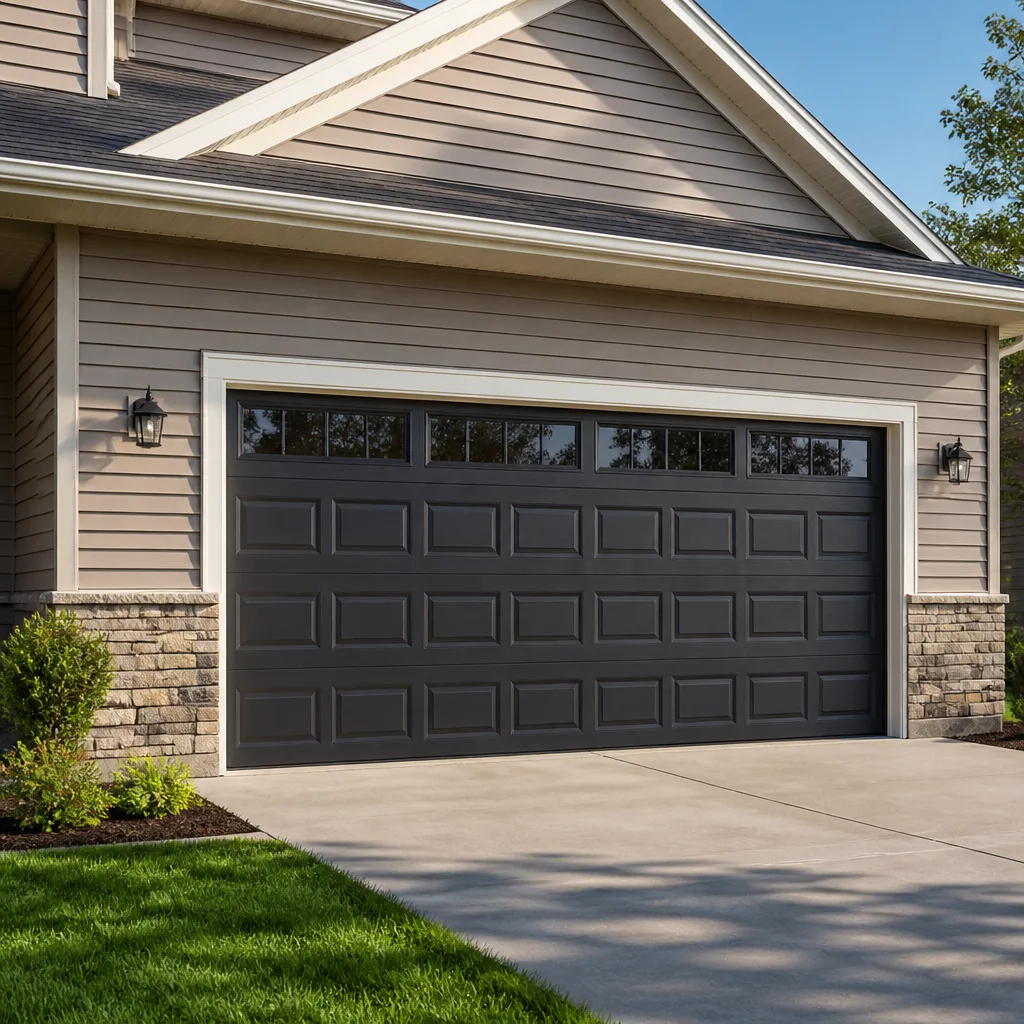 Raised-panel steel
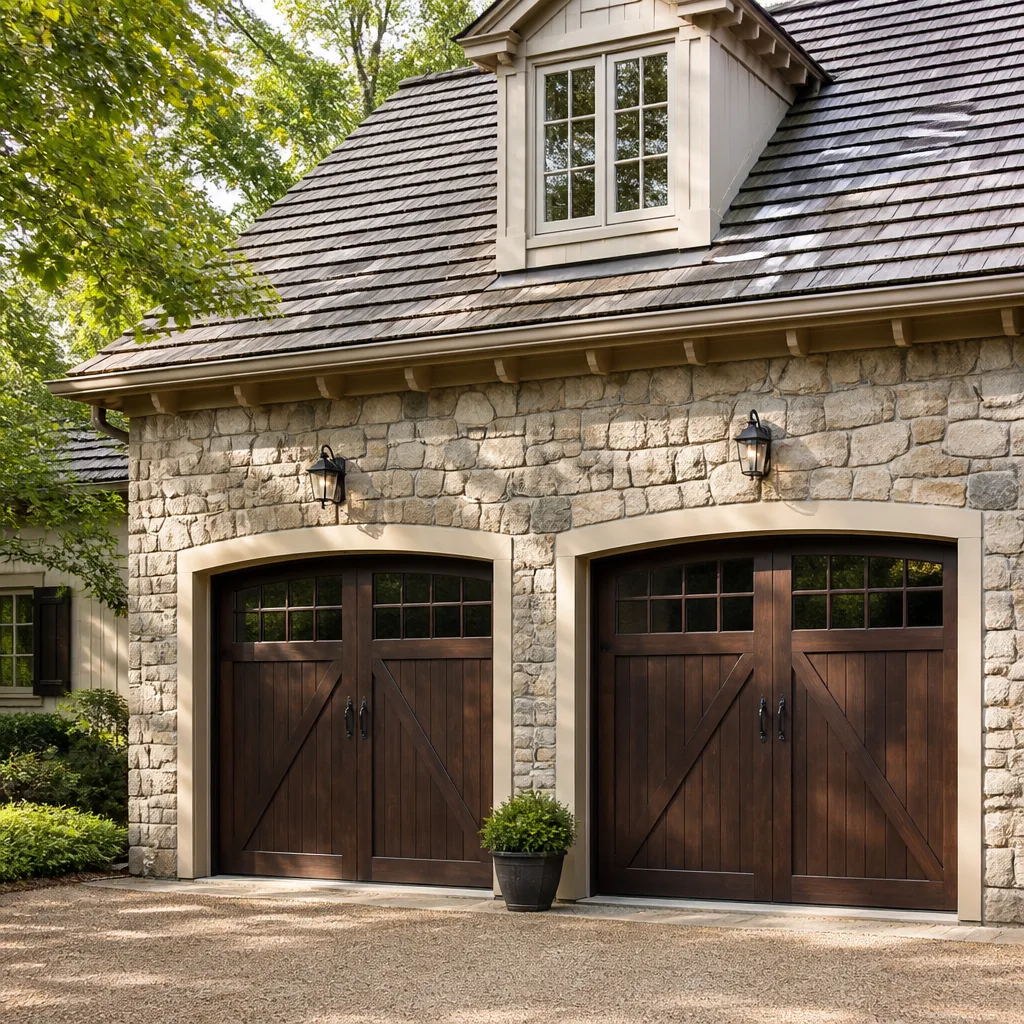 Carriage house
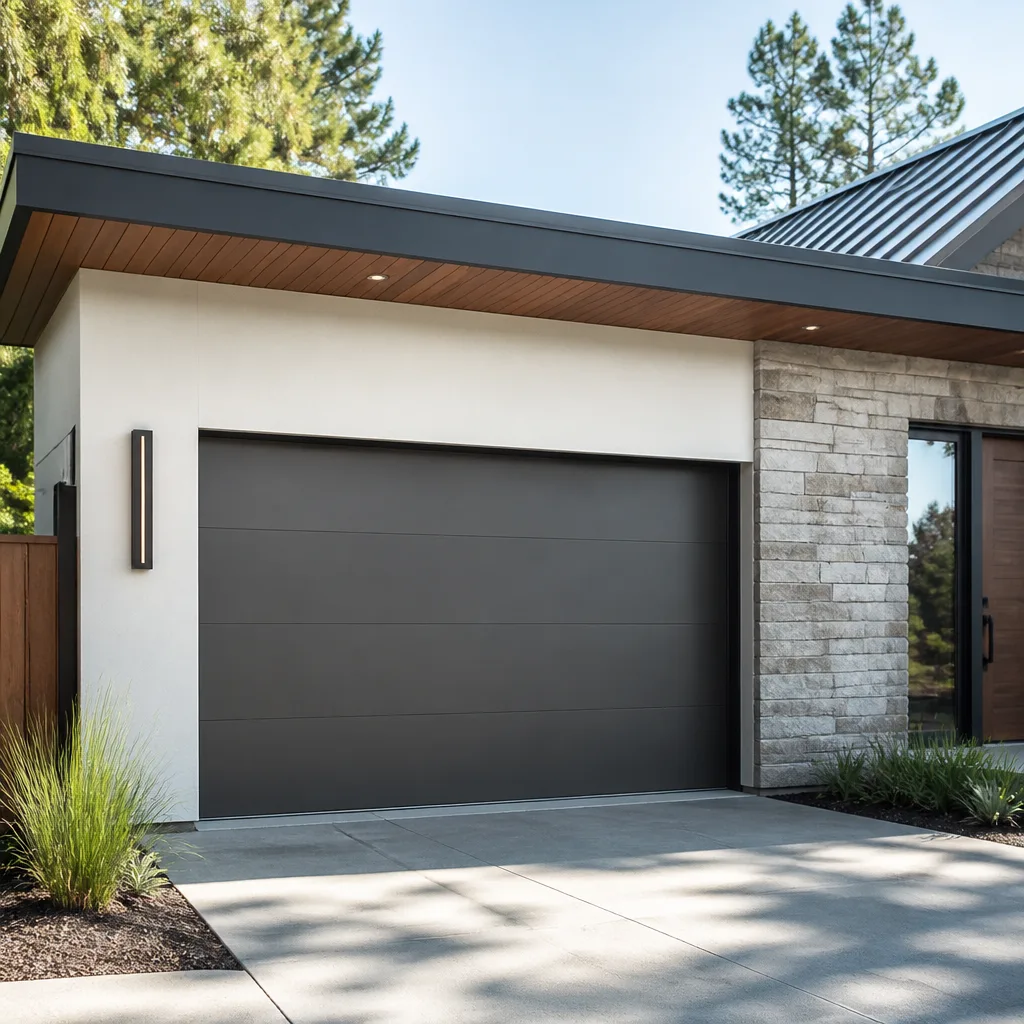 Modern flush
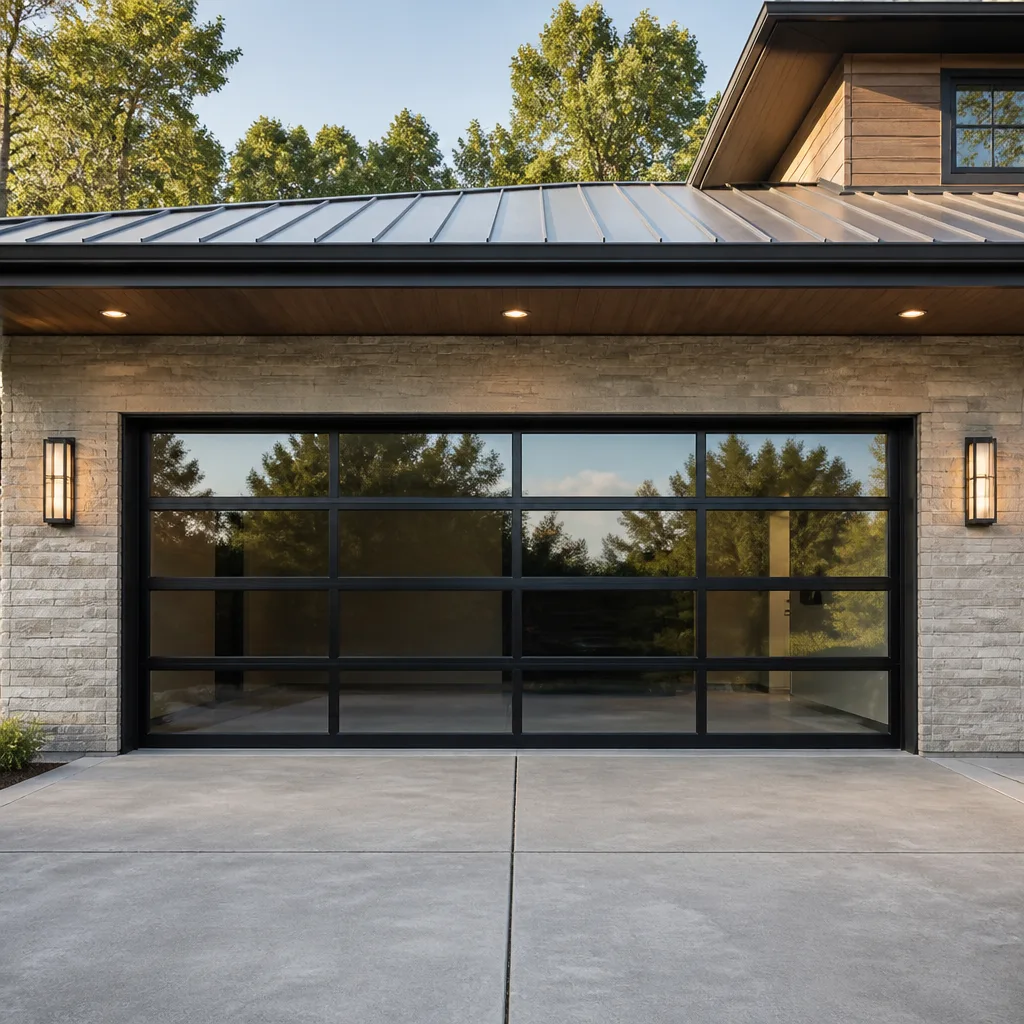 Full-view glass
 LiftMaster openers
 Chamberlain openers
Full 25-point door and opener safety check with every visit - springs, cables, rollers, tracks, and your LiftMaster or Chamberlain opener included
You get a price before we start. It does not change when the pro arrives.
Get your free estimateChoosing the Right Garage Door Brand: A Buyer’s Guide for Plymouth
The best-selling garage door brand nationally is not necessarily the best choice for a Plymouth home with an attached garage, a heavy daily usage pattern, and a zip code that can swing 50 degrees in a single week. That’s the misconception we see most often: homeowners shop by logo, then discover the door on their neighbor’s house in a warmer state isn’t built for what Plymouth winters do to steel, insulation, and hardware. Brand matters, but which model from which brand, matched to how your garage is built and how you actually use it, matters far more. This guide walks through the metrics that hold up in Minnesota, where the real quality jump happens between trim levels, and how to think about warranty terms you’ll actually rely on.
Quick Answer
For most Plymouth homes, the right garage door brand is the one whose mid-tier line matches your garage’s construction (attached vs. detached), your daily open-close cycles, and local parts availability – not simply the biggest national name. Clopay, Amarr, Wayne Dalton, and CHI all make strong doors, but their entry-level and mid-tier lines differ sharply in steel gauge, insulation, and finish warranty. Buy on construction and warranty terms first, brand second.
Styles & brands we work with
- Raised-panel steel
- Carriage house
- Modern flush
- Full-view glass
- LiftMaster openers
- Chamberlain openers
Table of Contents
- Why Garage Door Brand Choice Matters in Plymouth
- Side-by-Side Brand Comparison: Clopay, Amarr, Wayne Dalton, CHI
- Why Local Parts Availability Matters as Much as Brand Quality
- Matching Door Construction to Your Plymouth Garage
- Entry-Level vs. Mid-Tier: Where the Real Quality Jump Happens
- What Multi-Brand Specialists Notice About Real-World Failure Rates
- A Step-by-Step Process for Choosing Your Brand
- Matching Your Opener Brand to Your New Door
Why Garage Door Brand Choice Matters in Plymouth
A garage door is the largest moving object on most homes. In Plymouth, it’s also the surface taking the most thermal punishment: morning sun on a south-facing door, a 20-below cold snap overnight, then a 40-degree thaw by the weekend. That cycle repeats all winter, and it’s hard on steel skin, paint finishes, and the hardware attached to the door. Brand choice determines how that steel is galvanized, how the finish is baked on, and whether replacement parts are sitting on a shelf nearby or three weeks out of a warehouse.
Plymouth’s housing stock spans older neighborhoods with detached garages near the lake areas and newer construction with fully insulated attached garages. Those two contexts ask very different things of a door. A detached garage that stores lawn equipment and bikes doesn’t need the same thermal performance as an attached garage that shares a wall with a family room. Choosing a brand without thinking about that distinction is how homeowners end up overpaying for insulation they’ll never benefit from – or underpaying for a door that sweats and sheds paint within a few winters.
There’s also a service-side answer to this question. The brand you choose determines who can fix it. A multi-brand specialist who works across LiftMaster, Chamberlain, Genie, Clopay, Amarr, Wayne Dalton, Craftsman, and Raynor arrives knowing the specific hardware on your door rather than learning it in your driveway. That familiarity matters more in Plymouth than in markets where every brand’s dealer network is dense. Parts sourcing and diagnostic knowledge concentrate on what’s actually installed locally.
- Thermal performance – how well the door holds heat in an attached garage through a Minnesota winter
- Steel gauge – thinner steel dents faster and rusts through at hinges and seams
- Finish durability – how the paint system holds up under freeze-thaw cycles and road salt tracked into the garage
- Warranty terms – what’s actually covered (sections, hardware, finish) and for how long
- Local dealer support – whether a part is available nearby or weeks away
Side-by-Side Brand Comparison: Clopay, Amarr, Wayne Dalton, CHI
Four brands come up most often in Plymouth garage door conversations. Each has real strengths, and each has a weak spot you’ll only notice after a few winters. Here’s how they line up on the metrics that matter in Minnesota.
Clopay is the most widely recognized residential name and offers the broadest range of models across insulation levels. Their mid-tier and premium lines are strong on thermal performance and finish quality. The entry-level lines are notably thinner in steel gauge, which is where homeowners get surprised by dents and early rust. Clopay’s dealer footprint is generally strong, so parts turnaround is usually reasonable.
Amarr builds a durable, well-insulated door with solid finish warranties, particularly in their mid-tier lines. In our experience, Amarr doors hold up well against freeze-thaw cycles – an important consideration in Plymouth where the temperature can swing 50 degrees in a week. Their entry-level lines are simpler in construction, and homeowner expectations should match that.
Wayne Dalton covers a wide range of price points and construction styles, including some distinctive models that other manufacturers don’t match. The brand’s strength is variety and panel styles. The tradeoff is that some of their hardware is proprietary, which means the right person with the right parts matters more with a Wayne Dalton door than with a more generically built brand.
CHI is a solid choice for homeowners who prioritize heavy steel and straightforward construction over design variety. CHI’s doors tend to be built thick and hold up well, and their mid-tier lines deliver strong value. Their higher-end finish options are a bit less extensive than Clopay’s, so if appearance is a priority, that’s worth noting.
Here’s the tradeoff table in short form:
- Clopay – best selection and thermal performance at mid-tier and up; watch entry-level steel gauge
- Amarr – durable mid-tier construction, good finish warranty; simpler entry-level lines
- Wayne Dalton – widest variety of styles; proprietary hardware means service requires brand familiarity
- CHI – heavy steel and value-priced; fewer premium finish options
None of these brands is “the best.” Each is the best fit for a specific combination of garage type, usage, budget, and appearance preference. The mistake is choosing a brand first, then trying to force-fit the model.
Why Local Parts Availability Matters as Much as Brand Quality
A garage door that fails and sits unrepaired for three weeks because the replacement bottom seal or hinge kit is on backorder is a worse door than a slightly less prestigious brand that’s sitting on the shelf at a local supplier. In Plymouth, this reality hits hardest in the middle of winter when a broken component can’t wait for a shipping delay.
Parts availability has three parts. First, whether the brand has an active local dealer or supplier network. Second, whether the specific model you’re considering uses standard versus proprietary hardware. Third, whether the brand’s catalog supports replacement parts years after the door was made – some discontinued models make hardware sourcing a scavenger hunt.
Clopay and Amarr have generally stronger local dealer support and more standardized hardware, which makes sourcing replacement parts more reliable. Wayne Dalton’s variety is an advantage on appearance, but some proprietary hardware means replacement parts may require putting the door back in front of a technician who already knows the specific system. CHI’s hardware is more standardized and predictable to source.
This matters beyond inconvenience. A door that can’t be serviced promptly means longer exposure to weather, possible frame damage, and a bigger repair bill when the problem is finally addressed. When we handle garage door repair, the ability to source the right part quickly is often the difference between a cleanup job and a rebuild.
Ask three questions before choosing a brand:
- Does the brand have an active dealer or supplier network that serves Plymouth?
- Does the specific model use standardized or proprietary hardware?
- Are replacement panels, hinges, and bottom seals still catalogued and available for this model?
Matching Door Construction to Your Plymouth Garage
Garage doors come in three basic constructions, and the right one for you depends entirely on your garage type and how the door will be used. This is where the biggest mistake happens – homeowners buy too much door or too little door because this distinction wasn’t clear.
Single-layer construction is a skin of steel without insulation or backing. It’s the least expensive and lightest option, and it’s fine for a detached Plymouth garage that stores bikes, tools, and seasonal equipment. It provides no thermal benefit, but it doesn’t need to. Single-layer doors are also easier on opener motors because they’re lighter.
Double-layer construction adds insulation to the interior of the steel skin, usually a polystyrene or polyurethane layer glued to the inside. Double-layer is a reasonable middle ground – it weathers well and offers modest thermal benefit. For a detached garage that’s occasionally heated during a project or a workshop setup, double-layer is often the right fit.
Triple-layer construction sandwiches insulation between two steel skins and includes a thermal break to reduce heat transfer through the door itself. Triple-layer doors are heavier, more expensive, and the right choice for attached garages that share a wall with living space. If your Plymouth home has an attached garage with a room above or beside it, the door is a big hole in your building envelope – triple-layer construction is what properly closes that gap.
A few additional considerations for Plymouth specifically:
- A south-facing door sees more solar load and finish wear than a shaded door; better finish quality pays off there
- An attached garage on a newer Plymouth home usually benefits most from a properly insulated triple-layer door
- A detached garage used for a workshop may do well with a double-layer door and an insulated opener
- Door weight affects opener choice – a heavier triple-layer door needs a properly rated opener and often a torsion spring upgrade
If you’re replacing a full door system, this is the moment to have the measurement and the construction choice made together. When we handle garage door installation, we measure and discuss construction type before the order is placed, not after.
Entry-Level vs. Mid-Tier: Where the Real Quality Jump Happens
Every brand sells an entry-level line and a mid-tier line, and the gap between them is not cosmetic. It’s where most of the real difference in how long a door lasts actually lives. Understanding that gap is the difference between a door that looks fine and a door that lasts.
The jump between entry and mid-tier shows up in these specific places:
- Steel gauge. Entry-level doors use thinner steel. The difference shows up first as small dents near hinges and later as rust at the seams. Mid-tier doors are built with heavier steel that resists both.
- Insulation. Entry-level lines are often non-insulated or lightly insulated even when styled to look like they are. Mid-tier lines include actual insulation (polystyrene or polyurethane) and often use a thermal break.
- Finish system. Entry-level paint is often a single-coat baked finish. Mid-tier doors use multi-coat finish systems that better survive sun exposure and freeze-thaw cycles.
- Hardware. Entry-level doors use basic hinges, rollers, and track that wear faster. Mid-tier doors use better hardware that reduces door noise and extends spring and opener life.
- Warranty. Entry-level doors often carry a shorter finish warranty and limited coverage on sections and hardware. Mid-tier lines extend both.
Beyond mid-tier, the jump to premium is mostly about appearance: window inserts, carriage-house styling, higher-end panel details. Those are legitimate reasons to upgrade, but they’re cosmetic. The functional quality jump happens between entry-level and mid-tier, and that’s where most Plymouth homeowners get the best actual value.
A practical recommendation: choose mid-tier from a mid-range brand rather than entry-level from a premium brand. A mid-tier Clopay or Amarr door outlasts an entry-level premium-labeled door at the same price. This holds true across the trade, and it’s one of the first things we point out when we walk through options.
What Multi-Brand Specialists Notice About Real-World Failure Rates
Manufacturer spec sheets tell you how a door is supposed to perform. They don’t say which hardware fails first in real homes. After thousands of service calls, certain patterns emerge across brands that no data sheet captures. This is where multi-brand familiarity pays off – seeing the same failure mode across many homes teaches you what’s engineering and what’s installation.
Across brands, the failure patterns we see most in Plymouth cluster around a few areas:
- Rust at the bottom section. Road salt and slush tracked into the garage splash the bottom panel, and entry-level finishes rust through quickly. Triple-layer mid-tier doors with better finish systems resist this far longer.
- Spring fatigue rather than spring failure. High-tension springs are the single most affected component across all brands. Every brand’s springs eventually tire and need replacement – it’s a wear item, not a brand defect. When a spring does go, we handle it as a dedicated specialty rather than an afterthought: garage door spring repair is one of the most dangerous jobs in this trade and we treat it that way.
- Hinge and roller wear on entry-level doors. Entry-level hinges and rollers wear faster and cause door noise and opener strain. Upgrading hardware is often cheaper than replacing the door.
- Panel dents from mid-level contact. Thinner steel dents from a car bumper nudge or a bag of mulch brushed against it. Heavier gauge handles these without permanent damage.
- Panel delamination on lower-quality insulated doors. The steel skin separates from the insulation core over time with repeated freeze-thaw cycling, especially on doors facing south into direct sun.
Notably, the brand difference shows up less in mechanics (springs, hinges, and rollers all wear at similar rates) and more in finish durability and steel gauge. That’s the metric weight to use when choosing – not reputation alone.
When a failure does happen on a door we can’t get parts for quickly, the bill gets bigger. Brand familiarity and local parts access save money over time, and that’s why we work across a defined list of brands we know inside and out.
A Step-by-Step Process for Choosing Your Brand
Choosing a garage door brand isn’t a scrolling exercise. It’s a decision that should be made against your specific garage and usage pattern. Here’s the process we walk Plymouth homeowners through before any brand is recommended.
- Identify your garage type. Attached or detached? Attached garages generally need insulated doors; detached garages usually don’t. This is the first filter.
- Estimate your daily cycles. Count how many times the door goes up and down daily. Two adults leaving and returning to work is four cycles minimum before any errands. Higher cycles wear out springs, openers, and hardware faster – and influence which brand’s mid-tier hardware will hold up longest.
- Decide on construction. Single, double, or triple layer. This narrows brand options before you ever compare logos.
- Check local parts availability for the brand and model. Confirm the parts are stocked or readily sourced in Minnesota. Ask specifically about bottom seals, hinges, and hardware kits.
- Compare mid-tier lines across 2 – 3 brands. Look at steel gauge, insulation value, finish warranty, and hardware quality side by side.
- Request a written measurement and estimate. Price is confirmed in writing before work starts. Ask for a free measure so the quote is accurate to your actual opening.
- Ask about the opener. If you’re keeping your opener, confirm it’s rated for the new door’s weight and that parts are available for it.
- Confirm what warranty actually covers. Ask about sections, hardware, and finish separately. Warranty terms vary across brands more than any other spec.
Do this in order and the brand question mostly answers itself. Skip the first three steps, and you’ll end up comparing doors you don’t actually need.
Matching Your Opener Brand to Your New Door
Your garage door and your opener are a system, not two items. Choosing a door brand without considering the opener is a common mistake – a heavier triple-layer door paired to an underpowered opener will strain both and shorten the life of each.
The four opener brands in most Plymouth garages are LiftMaster, Chamberlain, Genie, and Craftsman. All four families of opener are serviceable with our team, and garage door opener repair is often the first call we get when an opener starts struggling after a door replacement.
Three questions matter when pairing an opener to a new door:
- Is the opener rated for the door weight? A triple-layer insulated door weighs considerably more than a single-layer door. Most opener spec sheets state a maximum door weight; check it.
- Are replacement remote and wall controls still available? LiftMaster and Chamberlain have the widest current accessory availability. Genie and Craftsman are usually fine but worth confirming for older models.
- Does the opener’s safety reverse work correctly with the new door? Safety reverse is a critical safety function and needs to be verified after installation.
If the opener is older and paired to a lighter door, a heavier replacement may argue for a new opener. That’s a decision to make during measurement, not after installation.
Common Mistakes to Avoid
- Choosing a brand by reputation alone. The most recognized brand on the market doesn’t automatically mean the right model for your garage. Focus on the model line, gauge, and warranty – not just the name.
- Skipping the detached vs. attached distinction. Buying an insulated door for a detached garage is money wasted, and buying a single-layer door for an attached garage leaves your home’s thermal envelope open. Get this right first.
- Buying entry-level from a premium brand instead of mid-tier from a mid-range brand. This is the single most common dollar mistake we see in Plymouth. Mid-tier from Clopay, Amarr, or CHI often outlasts a low-end door with a bigger name on it.
- Overlooking local parts availability. A door that can’t be serviced promptly costs more in the long run than a well-supported door of any brand. Ask about the parts network before choosing.
- Ignoring how your opener matches the new door. A heavier door paired to an underpowered opener wears both faster. Factor the opener into the decision.
- Not checking the finish warranty separately from the section warranty. Finish warranty is where cheap doors fail first in a freeze-thaw climate. Ask for both numbers separately.
- Skipping the measurement. Online door pricing assumes a standard opening. Plymouth homes vary enough that the final price needs to come from an actual measurement, in writing.
See the difference
 Before
 After
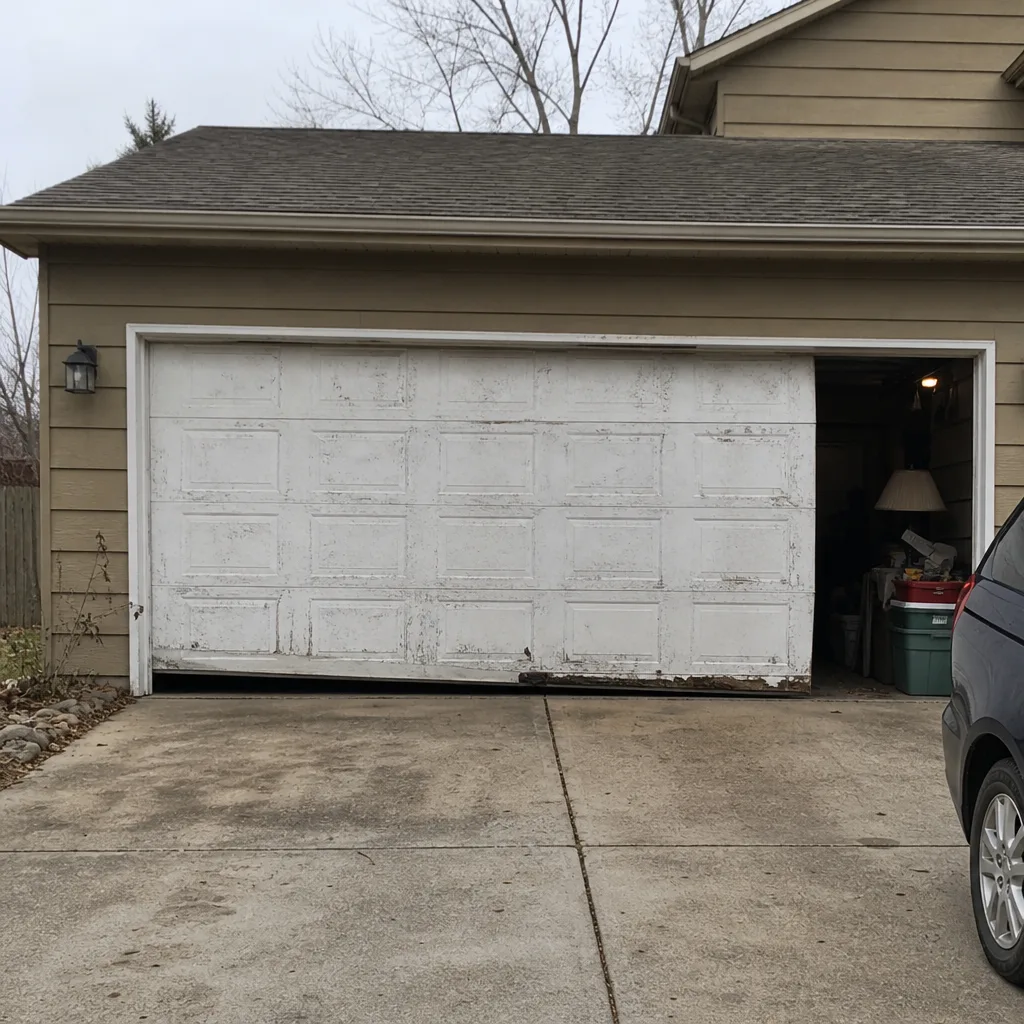 Before
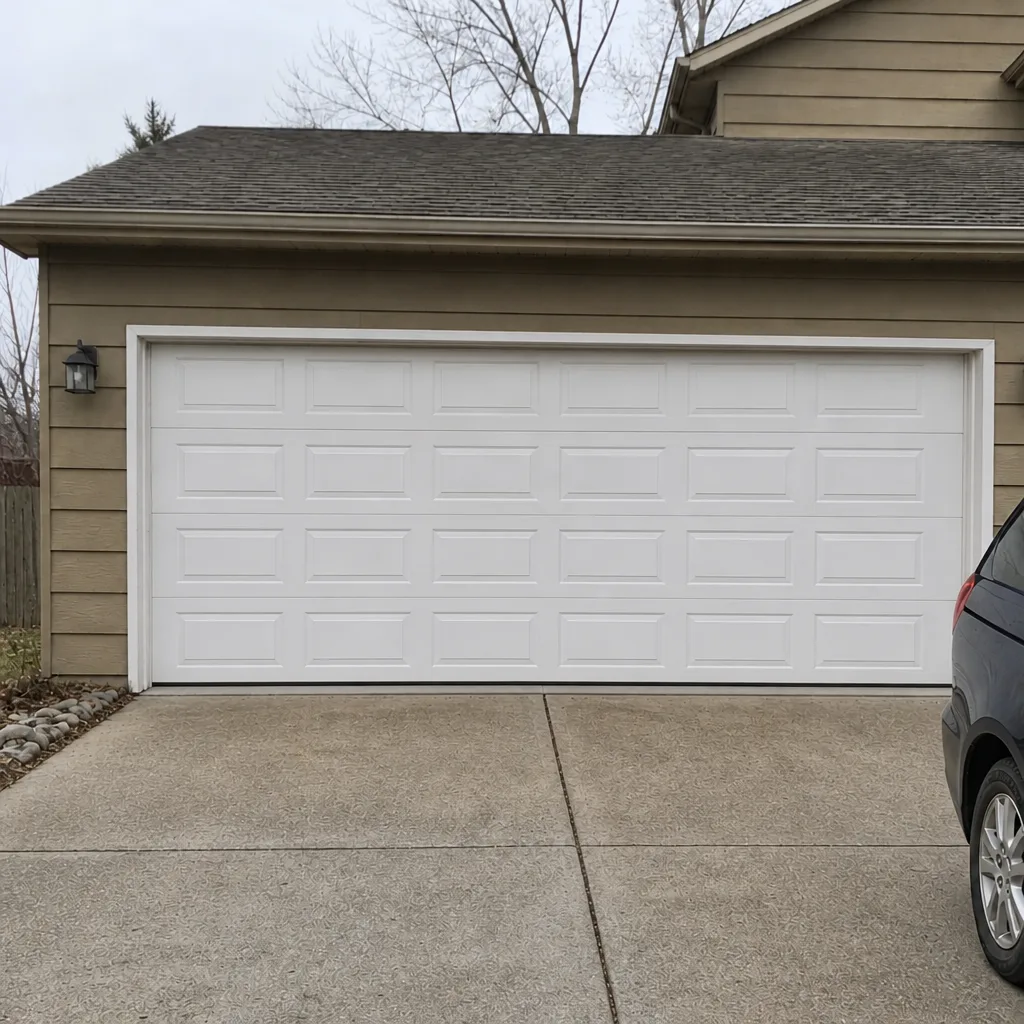 After
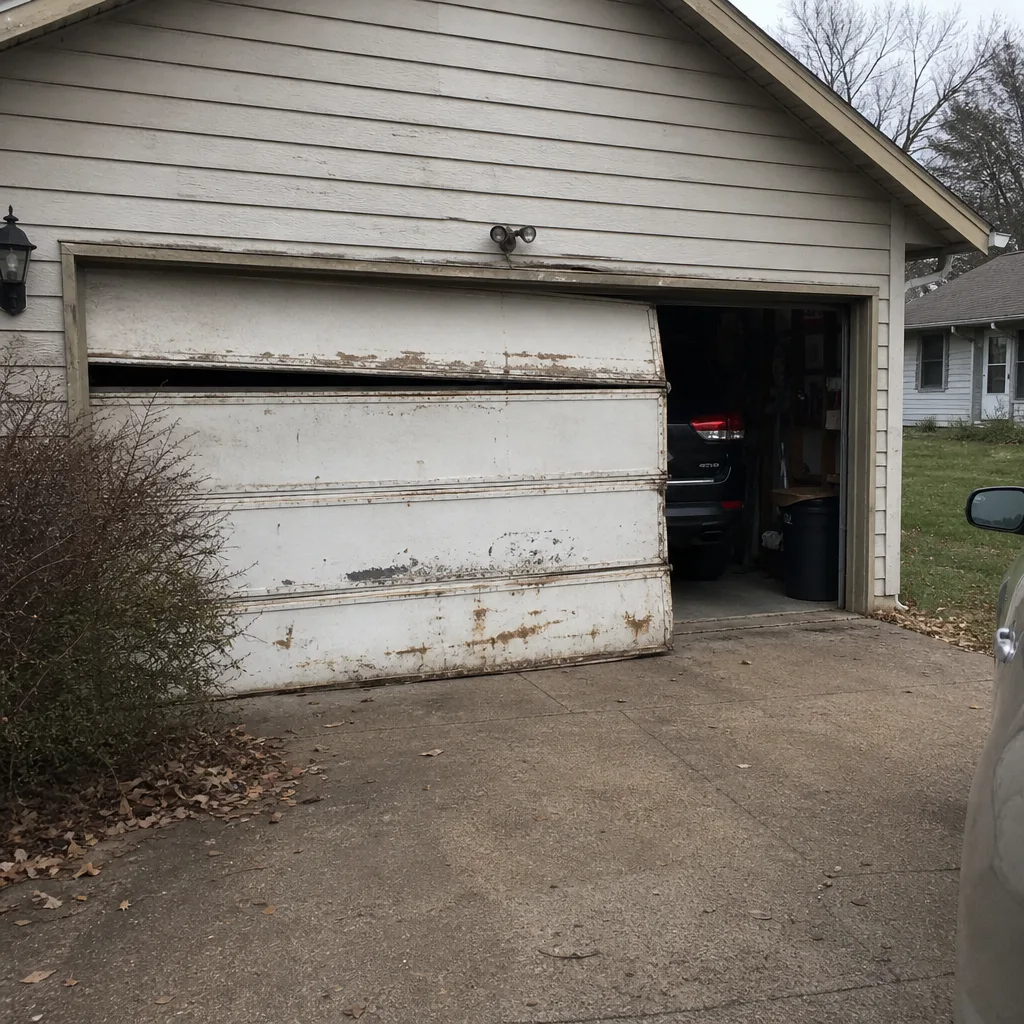 Before
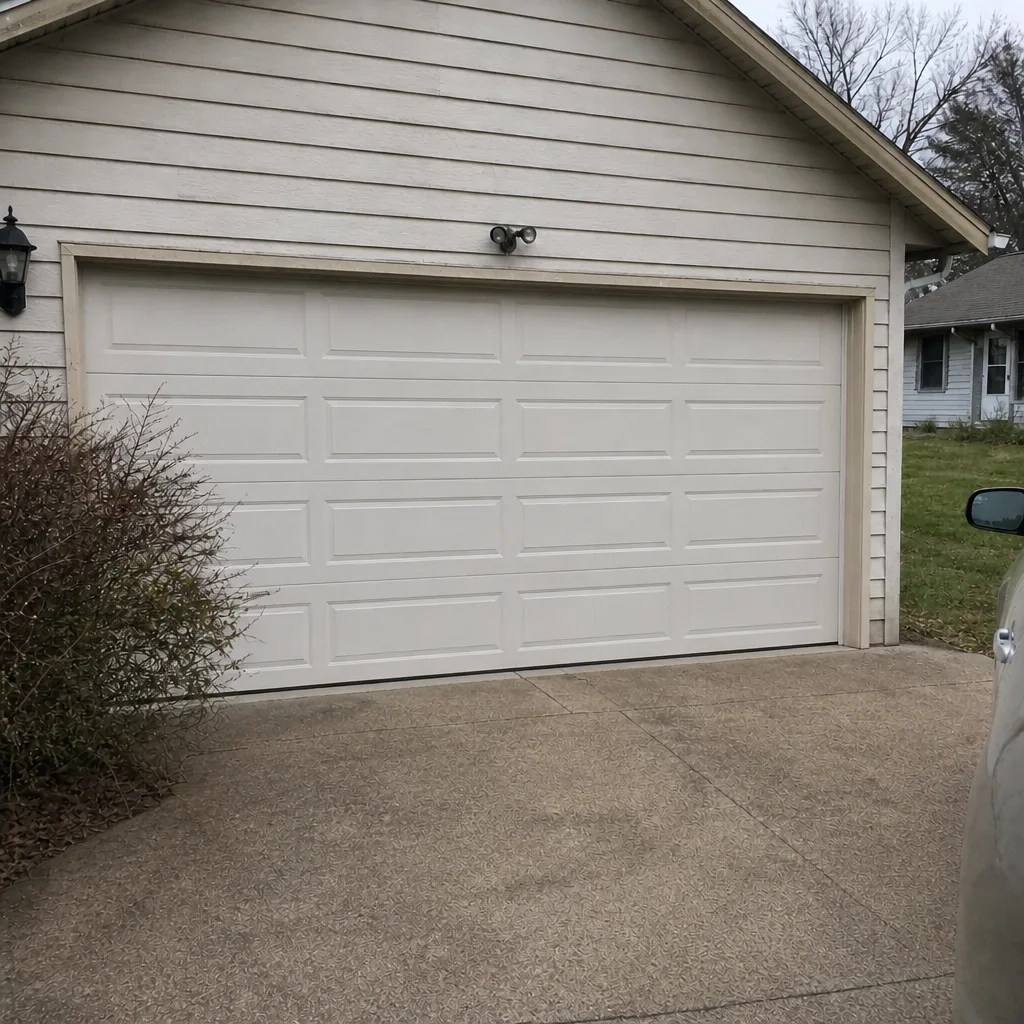 After
When to Call a Professional
Choosing a brand is a research task. Choosing a door and having it installed correctly is not. Call a professional when you’re beyond research and into specifics: your garage measurements need to be confirmed, your door weight needs to be matched to your opener, a spring has snapped and it can’t wait, or you’re ready for a written quote before buying. Garage doors are heavy, the springs run high tension, and a door installed out of balance or with the wrong hardware causes problems that show up months later. Garage Door Repair Plymouth offers free estimates in Plymouth – call (866) 937-8168. We answer 24/7, with fast dispatch from 7am to 7pm, Sunday through Friday.
The Garage Door Repair Plymouth team handles installation, spring work, and opener repair across eight major brands. If you’re upgrading in a Plymouth neighborhood – from a home near Medicine Lake to one of the newer subdivisions off County Road 101 – the door should be sized to the garage and the usage, not to a brand logo.
Frequently Asked Questions
There’s no single best brand, but for Plymouth’s freeze-thaw climate, the strong picks are Clopay, Amarr, and CHI – all of which offer mid-tier lines with better steel gauge, insulation, and finish systems that hold up through 50-degree weekly temperature swings. Choose the specific model based on whether your garage is attached or detached and how heavily the door is used. Call (866) 937-8168 for a free estimate – estimates are free.
Insulated (double or triple-layer) is the right choice for attached garages that share a wall with living space, and non-insulated (single-layer) is fine for detached garages used for storage or a workshop. Match the construction to the garage type rather than defaulting to whichever is most expensive. An estimate will confirm which type fits your building.
Some brands, including Wayne Dalton, use proprietary hardware that standard parts won’t match, so being brand-familiar saves time and money when a repair or spring replacement is needed. Our technicians have up to 9 years of experience and work across eight major brands – LiftMaster, Chamberlain, Genie, Clopay, Amarr, Wayne Dalton, Craftsman, and Raynor – so the right part is usually available without a delay. Call (866) 937-8168.
Yes, in most cases. The quality jump between entry-level and mid-tier is where steel gauge, insulation, finish, hardware, and warranty improve together. Choose mid-tier from Clopay, Amarr, or CHI over entry-level from a premium brand at the same price point for the best long-term value in Plymouth.
Cost depends on brand, model line, construction (single, double, or triple-layer), and size, and the written estimate is the final price. Ask for a free measure and written quote before ordering – our team provides both. For diagnosis on an existing door, call (866) 937-8168 and we’ll take a look. Estimating is free.
Yes, if your opener is one of the four brands we service: LiftMaster, Chamberlain, Genie, or Craftsman. We handle opener repair and opener matching during installation for those brands. Call (866) 937-8168 to confirm before ordering.
The Bottom Line
The best garage door brand for Plymouth is the one whose mid-tier model matches your garage type, your daily usage, and the parts network that can service it quickly – not the best-known name on the market. Clopay, Amarr, Wayne Dalton, and CHI all make quality doors, but the model line, steel gauge, insulation, and finish warranty are the metrics that actually matter in a Minnesota freeze-thaw climate. Skip entry-level when mid-tier is available, match construction to garage type, and confirm your opener can handle the new door weight. Do those things, and the brand choice becomes straightforward.
Contact
If you’re ready to move from brand research to a written quote, call Garage Door Repair Plymouth at (866) 937-8168 for a free estimate. We answer 24/7, with fast dispatch from 7am to 7pm, Sunday through Friday. We work on eight major garage door brands, source the right parts for your door, and quote the price in writing before any work starts.
Written by the team at Garage Door Repair Plymouth.