
Last updated November 21, 2026
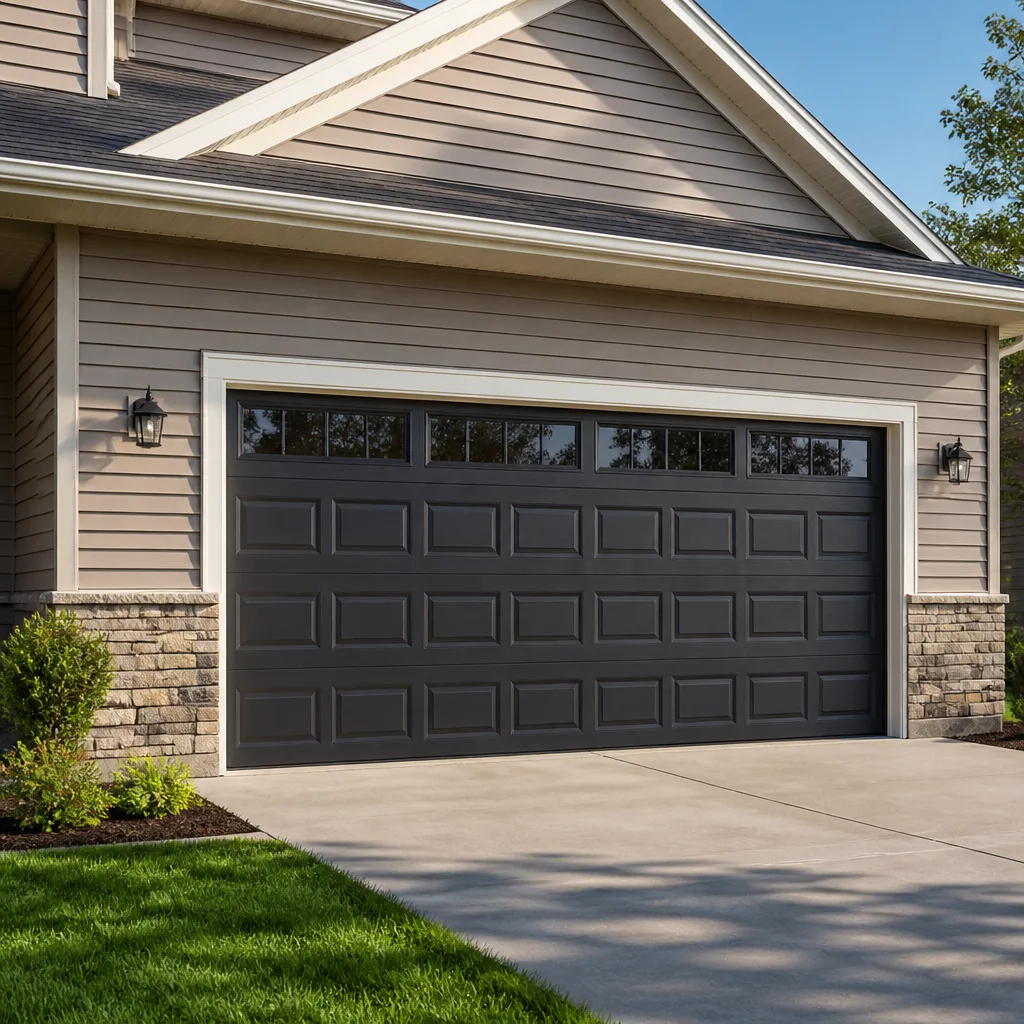 Raised-panel steel
 Carriage house
 Modern flush
 Full-view glass
 LiftMaster openers
 Chamberlain openers
Full 25-point door and opener safety check with every visit - springs, cables, rollers, tracks, and your LiftMaster or Chamberlain opener included
You get a price before we start. It does not change when the pro arrives.
Get your free estimateDIY vs Professional Garage Door: The Plymouth Homeowner’s Decision Guide
Most homeowners assume the DIY-versus-professional question comes down to skill. It doesn’t. The real line is drawn by consequence: a bottom seal costs you an afternoon if you get it wrong, while a torsion spring can break a wrist in under a second. Between those two extremes sits a wide middle ground where the wrong call costs you a warranty, a failed inspection, or a door that comes off its track. This guide gives Plymouth homeowners a task-by-task map of what’s safe to handle yourself, what never should be, and what the honest math looks like on both sides. We work on garage doors every day across Plymouth, and we’d rather you knew exactly where that line sits.
Quick Answer
In Plymouth, most routine garage door maintenance is genuinely DIY-able: seals, lubrication, balance checks, and opener reprogramming. Anything involving torsion springs, cables, and the high-tension assembly is not, because the stored energy can cause serious injury in an instant. Installation, panel replacement on a tensioned door, and any work that could affect your manufacturer’s warranty belong with a trained technician, and a licensed local professional should confirm the result.
Styles & brands we work with
- Raised-panel steel
- Carriage house
- Modern flush
- Full-view glass
- LiftMaster openers
- Chamberlain openers
Table of Contents
- Where the Real Line Falls: Liability, Injury, and Warranty
- What Plymouth Homeowners Can Safely DIY
- What You Should Never Attempt Yourself
- The Tools a Competent DIYer Actually Needs
- How Minnesota Treats Self-Performed Garage Door Work
- The Honest Cost Comparison: Professional vs DIY
- Plymouth Climate and Your Garage Door
- Warranty and Liability: What DIY Can Void
Where the Real Line Falls: Liability, Injury, and Warranty
The garage door is the largest moving object in most Plymouth homes, and it’s also the heaviest. That combination is why the DIY question splits along three separate axes rather than one. Each axis has its own answer, and a task is only safe to take on yourself when all three come back clean.
The first axis is injury risk. A garage door balances on tension, and that tension lives in the springs and cables. When we talk about DIY danger on a garage door, we’re not talking about pinched fingers. We’re talking about stored mechanical energy that releases instantly if a component is manipulated incorrectly or a cable slips its drum.
The second axis is liability. If a self-installed door or opener fails and damages property or injures someone, the responsibility sits with whoever did the work. A professional working under a licensed trade carries that exposure and the insurance behind it. In Plymouth, that distinction matters the moment something goes wrong.
The third axis is warranty. Manufacturers set installation and service conditions on new doors and openers. Break those conditions and a legitimate defect claim can become a contested one. This is the axis homeowners most often forget, and it’s the one that quietly costs the most money.
The line, then, isn’t about whether you’re handy. It’s about matching the task to the axis it touches. Replacing a weather seal touches none of the three. Adjusting a torsion spring touches all three at once.
What Plymouth Homeowners Can Safely DIY
Plenty of garage door upkeep is well within reach for a careful homeowner with basic tools. These tasks carry low injury risk, don’t affect the warranty, and can be reversed or corrected cheaply if you make a mistake.
- Replacing the bottom weather seal. A worn seal lets cold air, water, and pests under the door. Slide the old seal out of its track, cut the new one to length, and slide it back in. It’s a straightforward job that any Plymouth homeowner can do with a utility knife and a straight edge.
- Lubricating hinges, rollers, and tracks. A light application of a garage-door-specific lubricant on the moving metal parts each season reduces noise and wear. Wipe off excess so grit doesn’t collect.
- Testing the safety reverse. Place a small object in the door’s path and confirm it reverses on contact. This is a simple safety check that everyone should run monthly.
- Reprogramming an opener or remote. Whether you’re pairing a new remote to a LiftMaster or Chamberlain unit or resetting the travel limits on a Genie, most openers have clear homeowner instructions. No tension is involved.
- Checking the balance. Disconnect the opener and lift the door halfway by hand. If it stays put, it’s balanced. If it drifts or falls, that’s a signal to call for a technician, not to adjust anything yourself.
- Cleaning and inspecting. Look for frayed cables, worn rollers, or loose hinges during a visual walk-around. Catching a small problem early is the cheapest repair there is.
These tasks are how you keep a door healthy between professional visits. When a check turns up something that touches the springs or cables, that’s where DIY stops. If you’d like a trained eye on the balance and hardware, our garage door repair team handles that diagnosis.
What You Should Never Attempt Yourself
Torsion and extension springs hold enormous stored energy. Cables under tension can snap. These assemblies are not a learning project, and YouTube videos routinely skip the danger because the danger doesn’t film well. Move a winding bar wrong or lose control of a cable and the result can be serious injury in the time it takes to blink.
This is why we treat spring work as a dedicated specialty rather than a general repair. A technician arrives knowing the specific hardware on your door, whether that’s a Craftsman or a Raynor model, and brings the proper winding bars, the correct spring sizes, and the training to keep the assembly controlled. Here are the tasks that belong in professional hands:
- Torsion spring replacement and adjustment. The highest-risk task on any garage door. Never DIY.
- Extension spring replacement. Lower tension than torsion but still dangerous and still a professional job.
- Cable replacement and re-spooling. A snapped cable whips with force. Handling it safely takes tools and technique.
- Panel replacement on a tensioned door. Removing a section means the tension has to be managed first.
- Track straightening or realignment. A warped track can cause the door to bind or fall.
- New door installation. Full installation involves the springs, the tracks, the opener, and the door’s safe balance. This is where our garage door spring repair expertise and broader installation work come together.
If a spring has already broken or a cable has snapped, don’t run the opener. Call Garage Door Repair Plymouth and we’ll get a trained technician out to bring it back to safe operation.
The Tools a Competent DIYer Actually Needs
Most DIY garage door videos assume a fully stocked workshop, and most homeowners don’t have one. The honest answer is that the safe DIY tasks need a modest kit. The risky ones need specialty tools you probably don’t own, and won’t use more than once.
For the maintenance tasks above, you’ll want:
- An adjustable wrench and a basic socket set for hinge and bracket bolts
- A utility knife and a straight edge for cutting weather seals
- A garage-door-specific lubricant (not general-purpose WD-40 on the tracks)
- A level for checking the down position
- A stepladder rated for your weight and tall enough to reach the header safely
- Work gloves to protect your hands from sharp metal edges
What the videos often don’t mention: spring work needs dedicated winding bars, correct-size replacement springs, and often a torque spec that varies by door weight. Cable work needs a winding mechanism and familiarity with how each drum seats. If a task calls for a tool you have to order and a technique you have to practice, that’s your cue. The tool cost alone often exceeds what a professional visit would add to the bill, and you’re practicing on the heaviest moving part of your house.
The same logic applies to openers. Swapping a remote or resetting a LiftMaster travel limit is fine. Replacing a worn gear assembly or opening the motor housing is a job for someone who works on openers, and our garage door opener repair team does exactly that.
How Minnesota Treats Self-Performed Garage Door Work
Minnesota generally allows homeowners to do work on their own home, which means routine maintenance and even some replacements don’t typically require a permit. But the key word is typically. Code requirements vary by city and by the scope of the work, and Plymouth is no exception depending on what’s being done.
The practical rule for homeowners: anything that involves the structural attachment of the door, a new electrical connection for an opener, or a change that could affect the door’s safe operation may need to be looked at by your city’s building department. We don’t guess at local code on your behalf, and neither should you. A quick call to the Plymouth building department will tell you exactly what applies to your project.
Where inspection matters most is at the finish. If you install a new opener or door yourself and something needed a permit or a safety check, an inspector confirms it meets code. Failing that inspection is expensive to correct. A licensed professional working under the trade handles the compliance side, and we’ll confirm as much with your city as your job requires. This is one of those areas where the DIY savings can evaporate at the first inspection.
The Honest Cost Comparison: Professional vs DIY
The dollar arithmetic people run in their heads is almost always too simple. It compares the professional labor rate against zero, as if your time, tools, and mistakes cost nothing. The realistic comparison weighs labor against labor plus time plus error correction.
Here’s how the two paths actually break down for Plymouth homeowners:
- Professional labor: priced per job by a written estimate, with the price agreed before any work starts. You know the number going in.
- DIY time: an hour or two for a seal, half a day for a competent opener swap, and often far more than a video suggests once you’re on a ladder in a cold Plymouth garage.
- Tool cost: the specialty tools for spring or cable work can cost more than the professional labor component, and they don’t get reused.
- Error correction: the hidden line item. A bent track or a door knocked out of balance means a second trip to the hardware store and a professional visit anyway, on top of what you already spent.
The pattern is simple. Small maintenance jobs favor DIY because the tools and time are minimal. High-tension jobs favor a professional because the error-correction cost is steep, the tools are expensive, and the risk isn’t measurable in dollars. When the math tilts toward hiring out, call us for garage door repair with a free estimate and a written price agreed up front.
Plymouth Climate and Your Garage Door
Plymouth winters are hard on garage doors in ways that don’t show up in milder climates. The freeze-and-thaw cycle works on every seal, hinge, and moving joint, and the temperature swings put repeated thermal stress on the metal. That shifts what’s worth doing yourself and what’s better left to a technician.
The biggest seasonal pressure point is the bottom seal. A seal that’s cracked or pulled loose lets in snow, meltwater, and cold air. Come the freeze, water that gets behind the seal can freeze and pry it further out of its track. Replacing a worn seal before the cold sets in is one of the highest-value DIY jobs a Plymouth homeowner can do, and it’s cheap and quick.
Lubrication matters even more here. Cold thickens grease on rollers and hinges, which strains the opener and works the springs harder. Use a garage-door-specific lubricant that stays pliable in the cold; heavy grease can turn stiff below freezing. Our technicians have up to 9 years of experience with Minnesota conditions and know exactly which parts to re-lubricate and which to inspect for winter damage.
Temperature also affects tension. A door that balanced perfectly in July may feel heavy in January, and that’s a sign to check the balance and call a technician rather than adjust anything yourself. The same cold that stresses your door also makes spring work more dangerous, since cold metal and stiff components are less forgiving. If you’re in Wayzata, Minnetonka, or anywhere around Plymouth and your door starts acting up the moment the temperature drops, that’s a professional-specialty symptom, not a DIY one.
Warranty and Liability: What DIY Can Void
Manufacturers set conditions on new doors and openers, and one of them is usually that installation and major service be done by a qualified professional. A do-it-yourself installation can quietly break those conditions. When a defect later shows up, the claim becomes contested: the manufacturer points to unqualified installation, and you’re left arguing a warranty you thought you had.
This is the single most overlooked reason to hire out a new door or opener. For a brand like Clopay, Amarr, or Wayne Dalton, the warranty terms are specific about how the product goes in. For an opener like a LiftMaster or Chamberlain, the same applies. A professional install keeps the warranty intact and the installer accountable for the result.
Liability runs alongside it. If a self-installed door or opener fails and harms someone or damages property, the responsibility rests with whoever did the work. That’s you, in a DIY scenario. A licensed professional carries that responsibility and insurance behind it, and a local pro is licensed and insured as their state requires. The reason to bring in a technician on a new system isn’t that you can’t, it’s that the warranty and the liability are both built around who installs and services the door.
Common Mistakes to Avoid
- Running the opener on a broken spring. A spring that’s already snapped means nothing is holding the door’s weight. Running the opener risks burning out the motor or dropping the door. Stop and call a technician.
- Adjusting torsion springs to silence a door. Many Plymouth homeowners assume noise means “tighten the spring.” It usually means worn rollers or a loose hinge. Spring adjustment is a high-risk job best left alone.
- Using WD-40 or motor oil on the tracks. General-purpose lubricants attract grit that grinds into rollers. Use a garage-door-specific lubricant and keep the tracks clean and dry.
- Assuming the video shows the right tools. A clip of a spring swap often skips the winding bars and the torque spec. If the tool list looks unfamiliar, that’s the signal to stop.
- Skipping the balance check after DIY maintenance. Any time you’ve touched a moving part, run the balance check. A door out of balance will wear out faster.
- Installing a new opener without checking the warranty. A new opener installation with no documented professional hand can leave you without coverage if a defect shows up later.
- Ignoring the city building department on larger jobs. When a project touches structure or electrical, a quick call to Plymouth’s building department answers the permit and inspection question before you start.
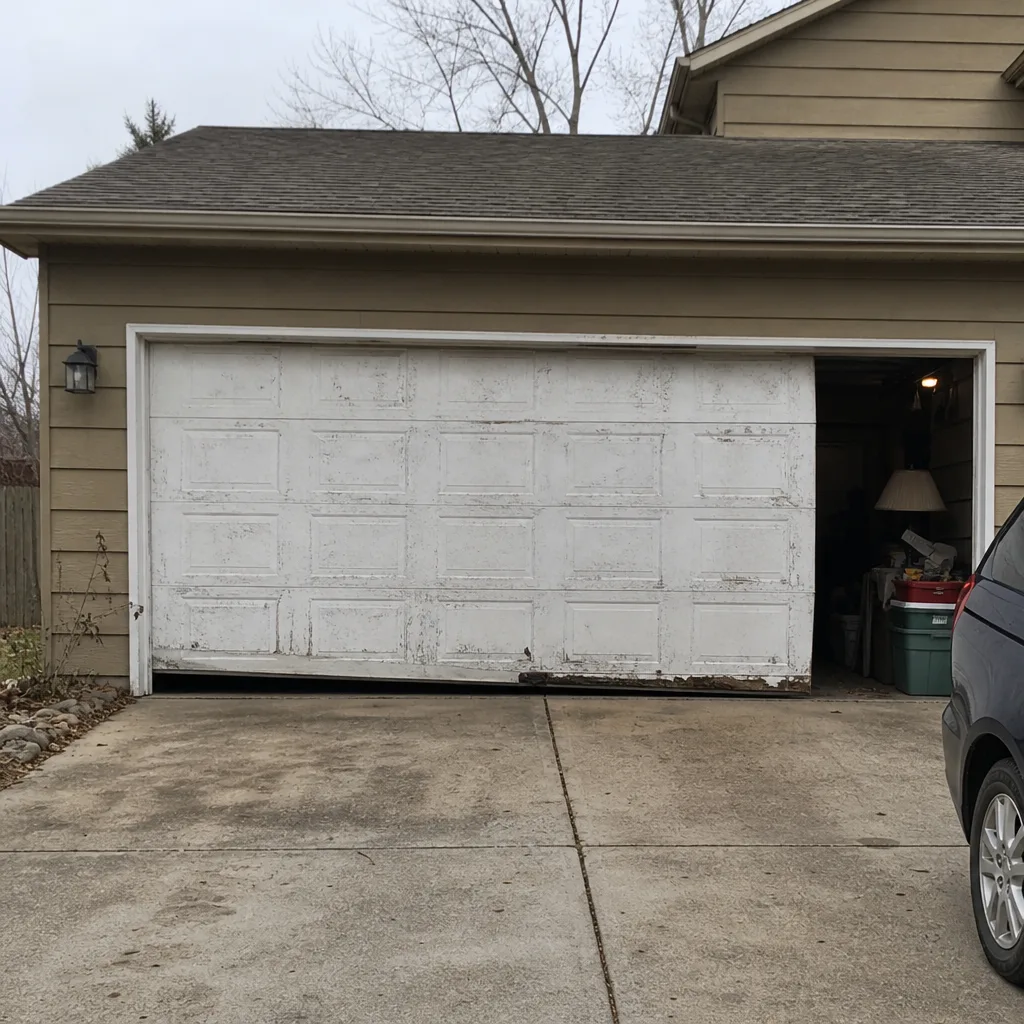
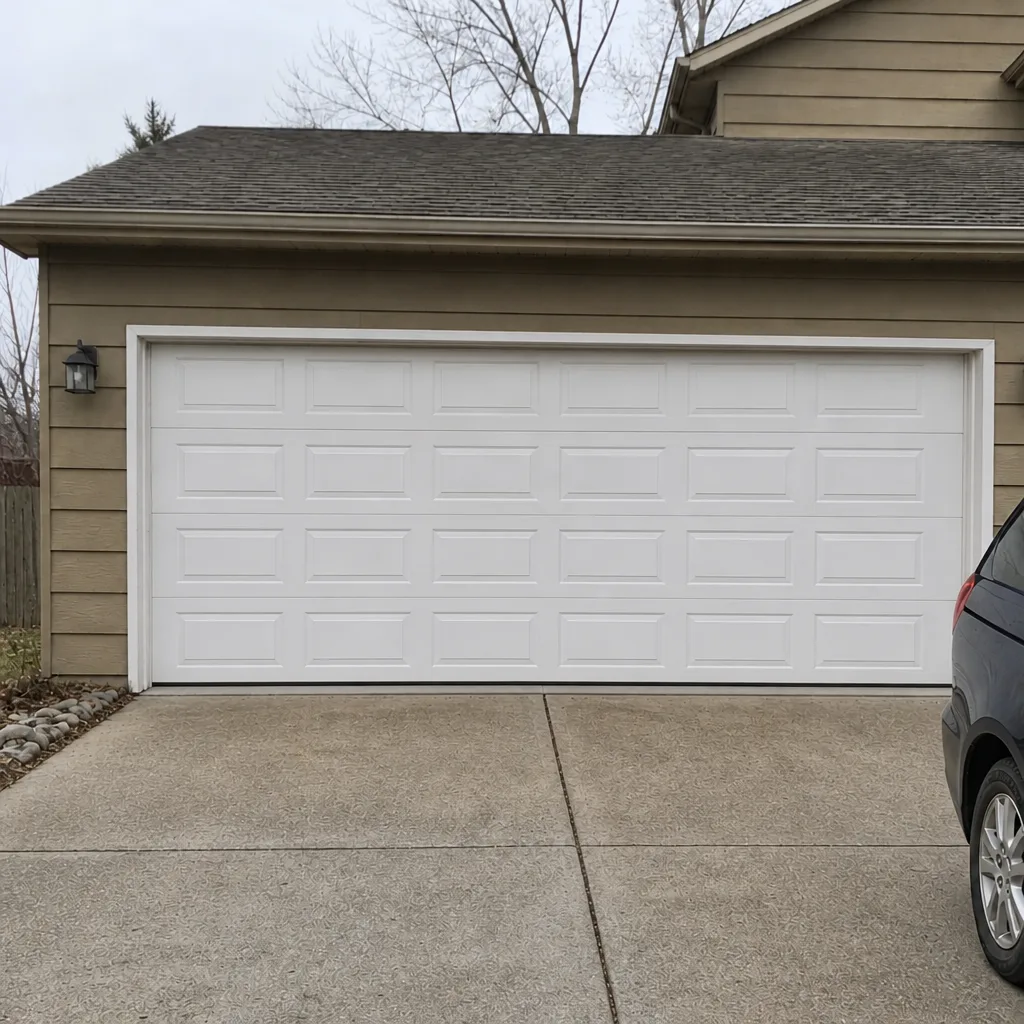
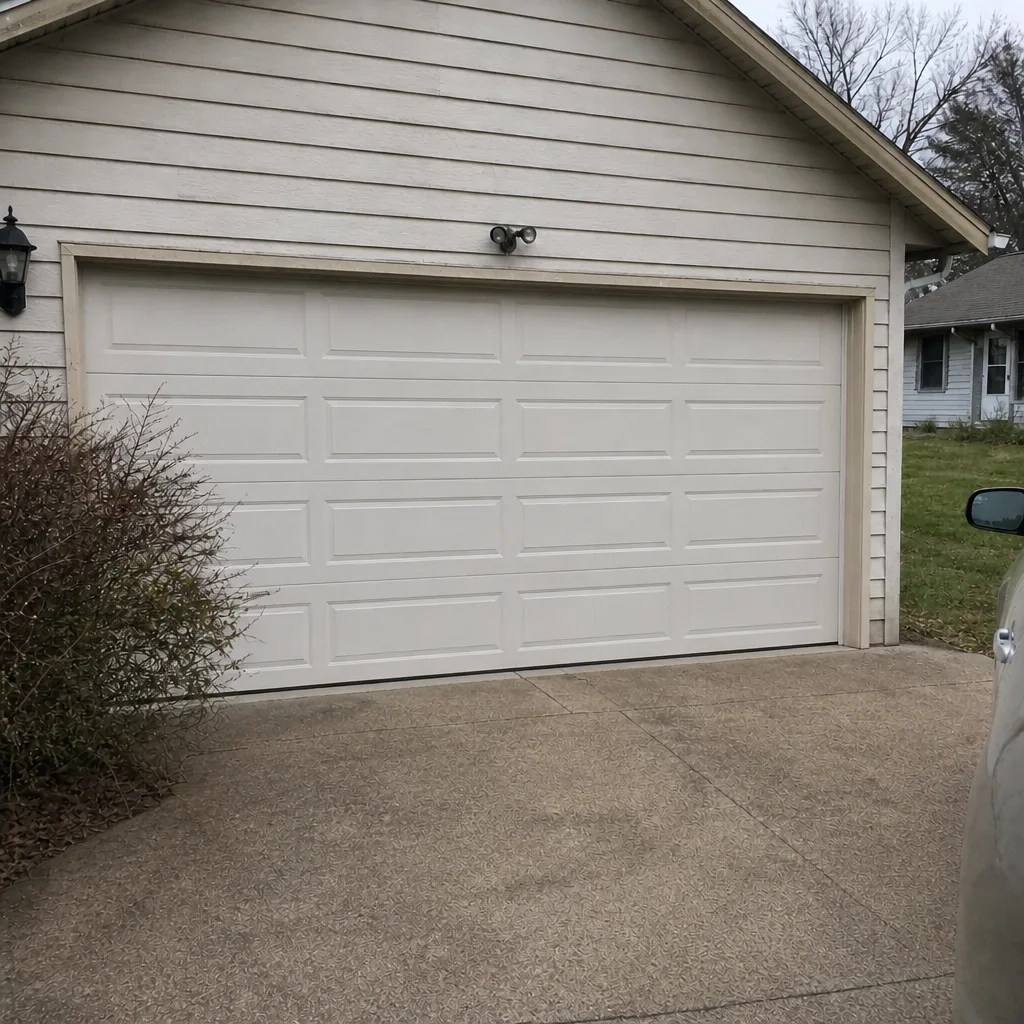
See the difference
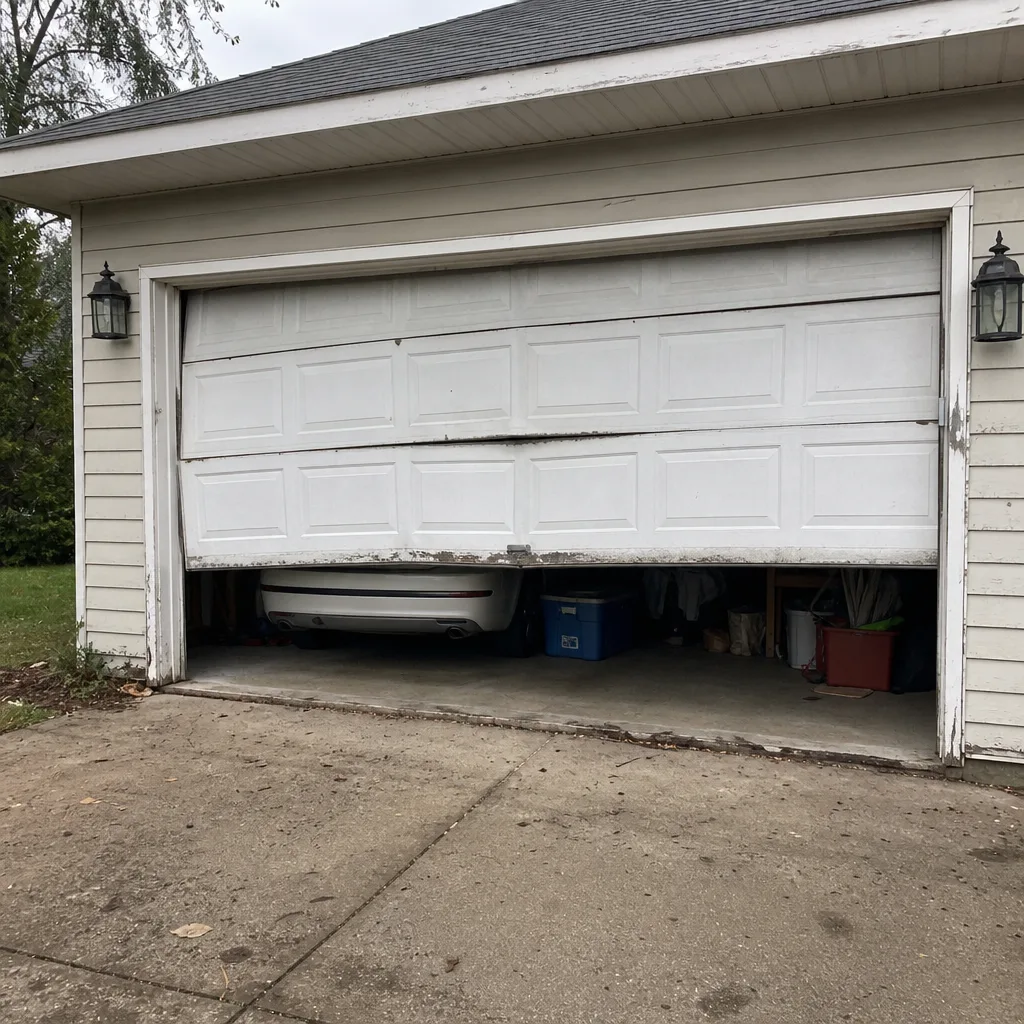 Before
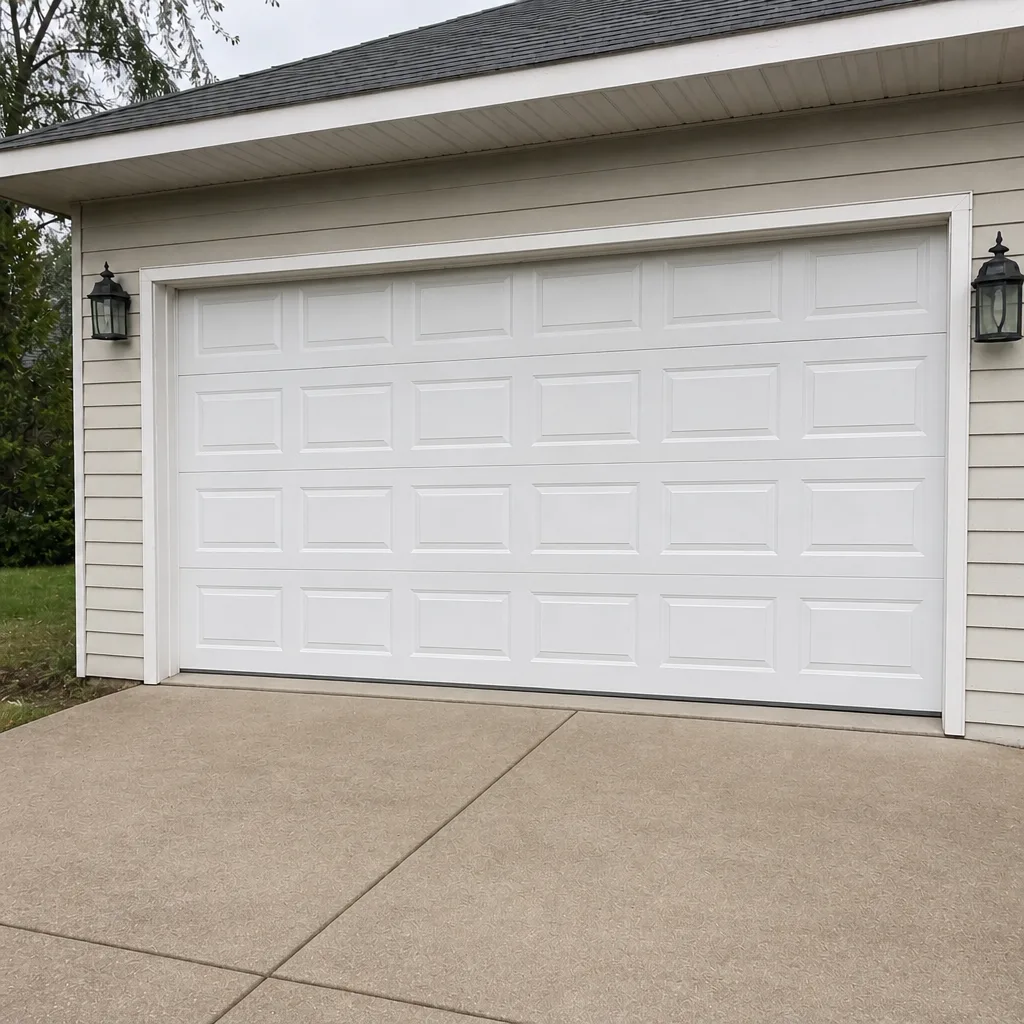 After
 Before
 After
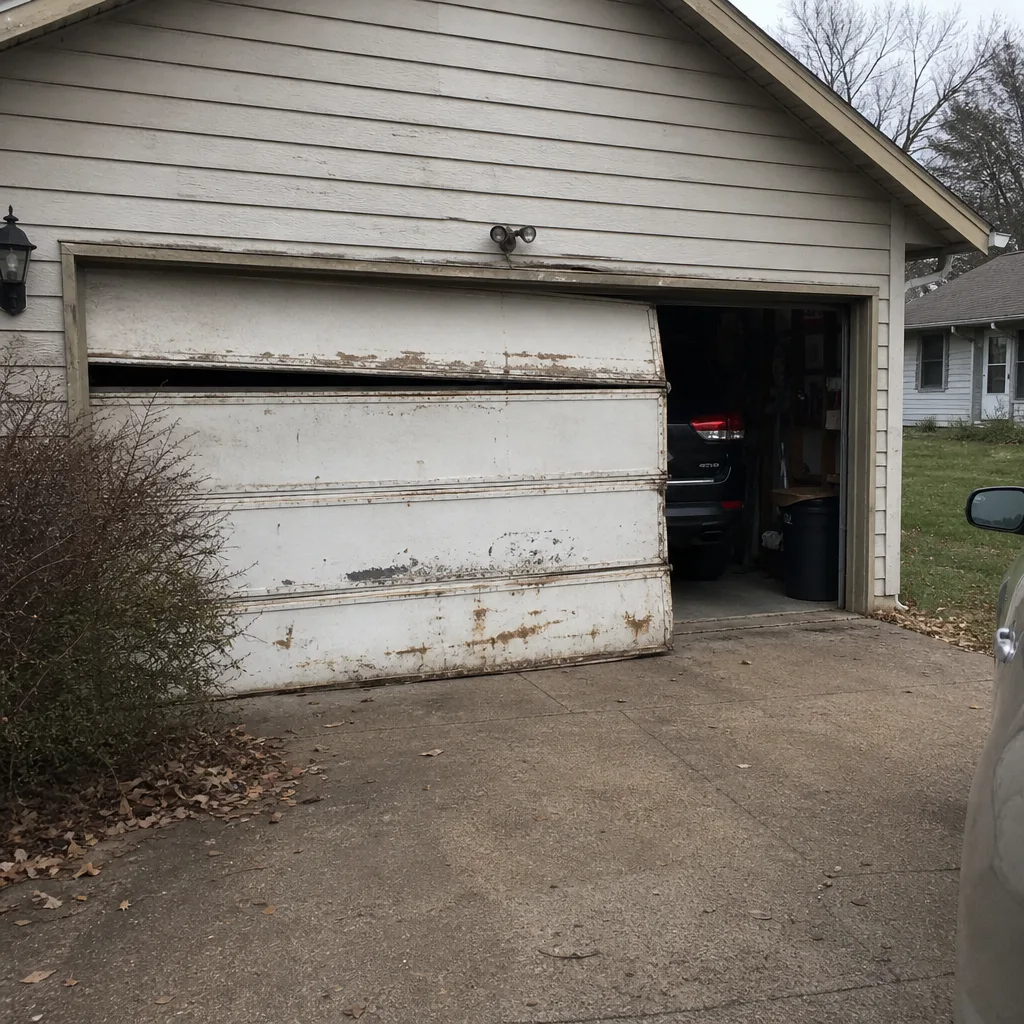 Before
 After
When to Call a Professional
Call a professional the moment a task touches springs, cables, high tension, or a new system. Call us when a spring has broken, when a door has come off its track, when a panel needs replacing on a tensioned door, or when you’re installing a new door or opener and want the warranty and liability handled properly. Call if a door you’ve been maintaining starts to feel heavy or binds, because that’s a balance signal you shouldn’t chase on your own. And call if you’re in Plymouth and the honest answer to “should I try this” is “probably not.” Garage Door Repair Plymouth offers free estimates in Plymouth, with the price quoted and agreed before any work starts. Call (866) 937-8168. We answer 24/7. Fast dispatch from 7am to 7pm, Sunday through Friday.
Frequently Asked Questions
No. A torsion or extension spring holds enormous stored energy, and releasing it incorrectly can cause serious injury in an instant. Spring work requires dedicated winding bars, correct-size springs, and training. Leave it to a professional and don’t run the opener until a technician has handled it. Call (866) 937-8168 for a free estimate.
Bottom seal replacement, lubricating hinges and rollers, testing the safety reverse, cleaning the tracks, checking the balance, and reprogramming openers and remotes are all safe to do yourself. They carry low injury risk and don’t affect the warranty. Anything touching springs or cables belongs with a technician.
It can. Manufacturers of new doors and openers often condition the warranty on professional installation and service. A DIY install can turn a legitimate defect claim into a contested one. If your door or opener is still under warranty, check the terms before you start, and a professional install keeps the coverage intact.
Routine maintenance usually doesn’t. Larger projects that involve structural attachment or an electrical connection for an opener may. Requirements vary by city and scope, so call the Plymouth building department with your project details. They’ll tell you exactly what applies, and a professional can confirm what’s needed with your city.
The realistic comparison isn’t labor versus zero. It weighs the professional’s written estimate against your time, the specialty tools, and the cost of correcting mistakes. Small maintenance favors DIY; spring, cable, and install work favors a professional because the error-correction cost is steep. Call (866) 937-8168 for a free estimate with a written price.
Yes, and for routine maintenance that’s a sensible approach. Run the safe DIY tasks yourself and bring in a professional when a job touches springs, cables, tension, or a new system. If something you tried doesn’t fix the problem, call a technician rather than escalating the DIY attempt. Estimates are free.
The Bottom Line
The DIY-versus-professional decision for a Plymouth garage door is really a task-by-task sorting, not a single verdict. Seals, lubrication, balance checks, and opener programming are yours to handle, and doing them well extends the life of the door. Springs, cables, panel replacement on a tensioned door, and full installation are professional work because of the injury risk, warranty exposure, and liability involved. The honest cost math weighs your time, tools, and error correction against a written estimate, and it tilts toward a professional the moment tension enters the picture. Know where the line sits, and your door stays safe, covered, and working.
Written by the team at Garage Door Repair Plymouth.
Contact
Whether you’d rather tackle a maintenance task yourself or hand the whole thing to someone who works on garage doors every day, we’re here to help. Call (866) 937-8168 for a free estimate in Plymouth. We answer 24/7. Fast dispatch from 7am to 7pm, Sunday through Friday, with the price quoted and agreed before any work starts.